

Why we obsess over Hipot and insulation tests
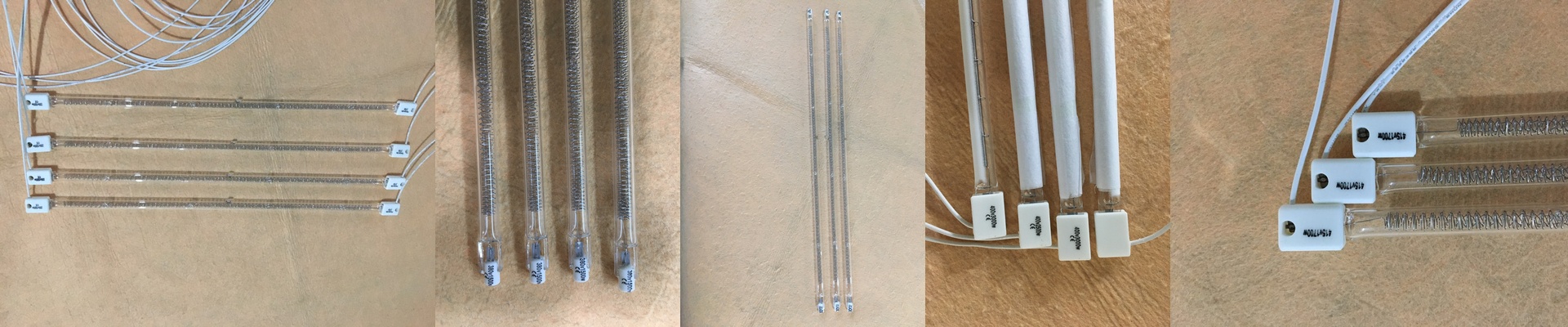
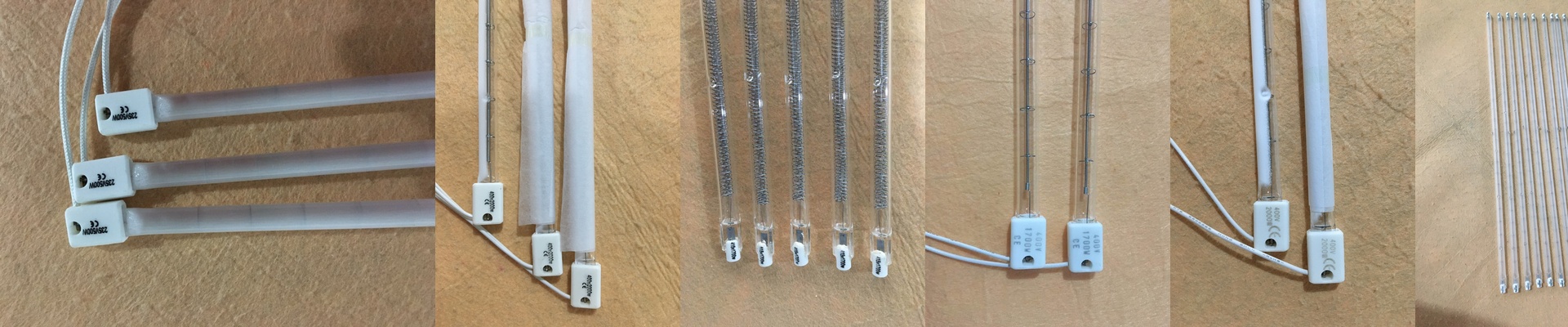
Before any heating lamp or electrical part leaves our shop, we put it through the ringer with high-voltage (Hipot) and insulation resistance testing. Why? Because woodworking shops are brutal. You’ve got thick sawdust everywhere, humidity that swings wildly, and machines that vibrate enough to shake your teeth loose. That’s a recipe for current leaks and short circuits. Nobody wants that.
What’s actually happening during the test?
Think of high-voltage testing as a stress test. We crank the voltage way past what the part normally handles to see if the insulation holds up. If there’s a thin spot or a tiny flaw, the current spikes. It’s better for us to find that flaw here than for you to find it when a breaker trips—or worse, when something starts smoking—on your shop floor. Then there’s the insulation resistance test. This is where we check the ohms between the live wire and the ground. We’re looking for those high mega-ohm numbers that prove the electricity is staying exactly where it should. Here’s the thing: sawdust becomes conductive when it gets damp. Your components need to be tough enough to handle that grime without leaking power into the machine frame.
Real-world stakes in the timber business
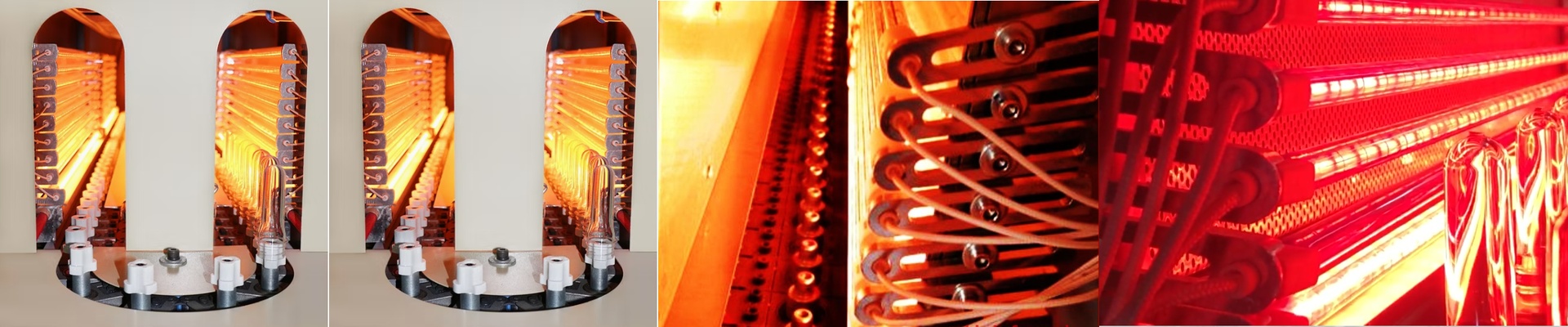
If you’re using high-wattage elements for drying or bonding, you know they take a beating. Between the heat cycles and the physical shocks of the machinery, things wear down. A microscopic crack in the quartz or one loose terminal can turn into a disaster pretty quickly. We run these tests to stop “arc-over” events before they happen. Plus, if you’re wiring up a massive array of heaters, even a little bit of leakage from each unit can add up and trigger your RCDs. Testing everything at the factory keeps your power stable.
The honest truth
Now, look—rigorous testing catches the bad parts, but it doesn’t make a component immortal. Even the best certified lamp will fail if your wiring is frayed or if you’ve ignored your grounding points. Our QC gets the part to your door in perfect shape, but keeping it safe depends on how it’s installed and maintained in your shop.