

Getting the Heat Right for Sidel Matrix Lamps
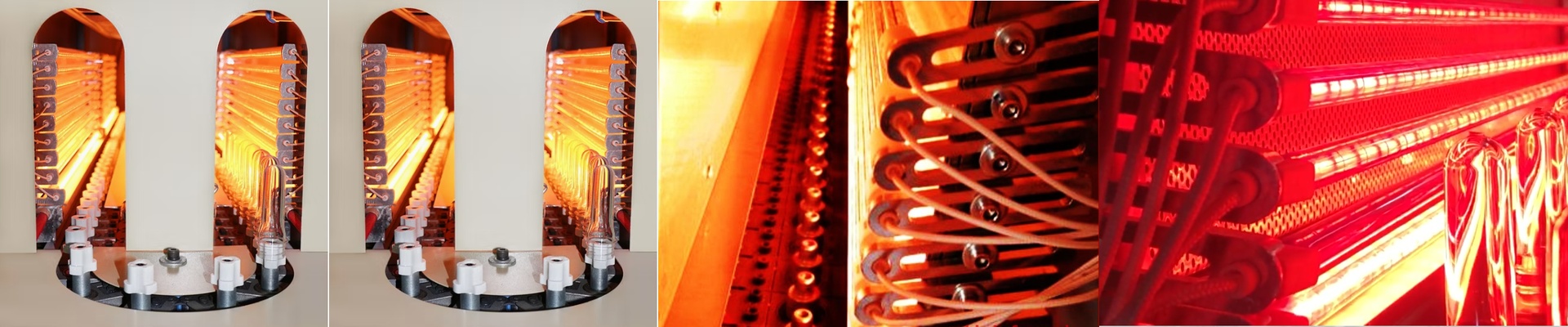
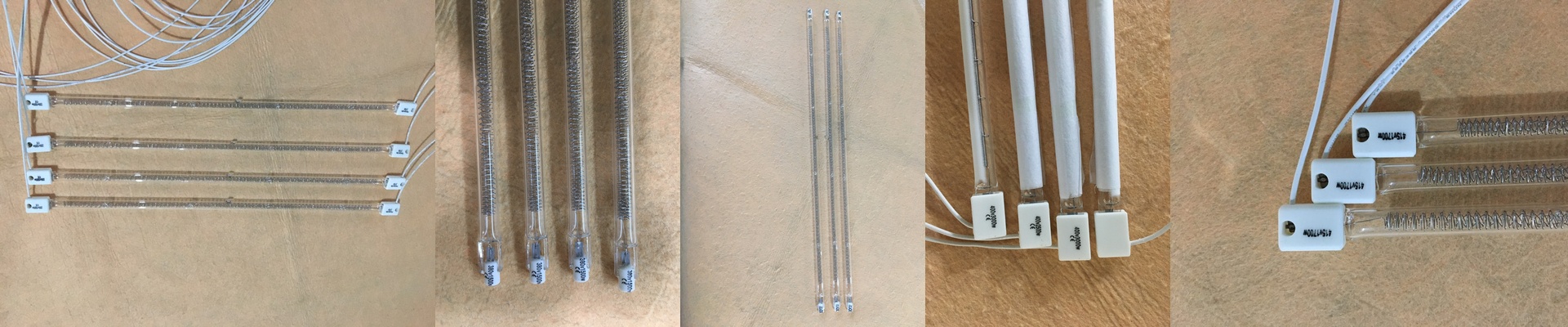
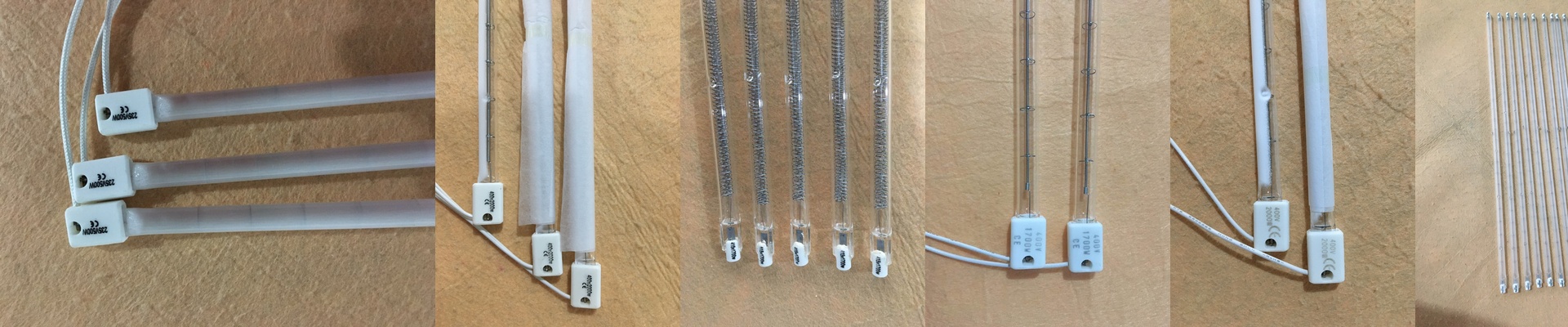
If you’ve ever tried to swap out a heating lamp, you know that just matching the wattage isn’t enough. It doesn’t work like that. It’s all about the physics—specifically how the infrared light actually hits the plastic. We build our replacement lamps to match the original specs exactly. Why? Because the last thing you want is to swap a part and suddenly find yourself fighting your heating profile all afternoon. The secret is in the “curve” To get that temperature ramp just right, we obsess over the spectral distribution. We use high-purity quartz and a very specific halogen gas mix to keep the filament temperature where it needs to be. This controls whether you’re getting short-wave or medium-wave IR. If that wavelength is even slightly off, the PET preform won’t soak up the energy the way it should. That’s how you end up with uneven walls or those annoying pearlescent streaks in your bottles. It’s all about the fit We make sure our tubes are the exact length and diameter of the Sidel footprint. It sounds simple, but it’s critical. If a lamp is off by even 2mm, it doesn’t sit centered in the reflector. That shifts the focal point and creates hot spots on your preform. To make things even easier, we use the standard R7s or Sk15 connectors. You just plug them in. No messing around with the wiring harness. A quick word on high-density heat Our high-wattage tubes are built for speed. They give you that rapid temperature spike you need to keep your cycle times low and your production moving. But here’s the catch: these lamps run hot. You’ve got to make sure your oven’s ventilation and cooling blowers are clean and actually working. If the airflow is blocked, the quartz envelope can overheat. When that happens, the lamp won’t last nearly as long, no matter how well it was built. These are true drop-in replacements. You put them in, and you get back to work without having to spend hours recalibrating your heating zones.