
Building a Rough-and-Ready Infrared Heater for the Poultry House
Here’s what we set out to do: make an infrared heating lamp that gives remote poultry farmers exactly what they need—serious heat that’s tough, reliable, and doesn’t cost a fortune. No flashy marketing. Just a tool built for real sheds and real work.
Power, voltage, and why it matters out in the barn
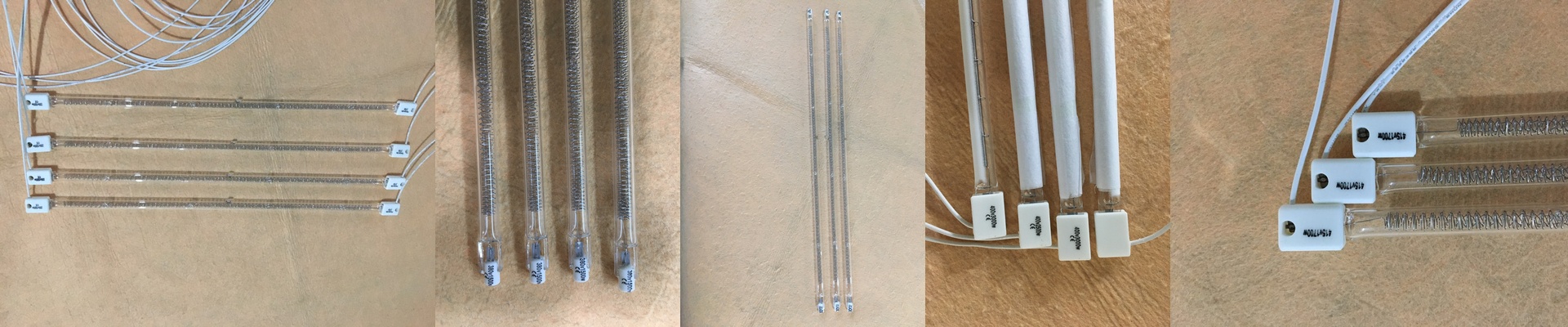
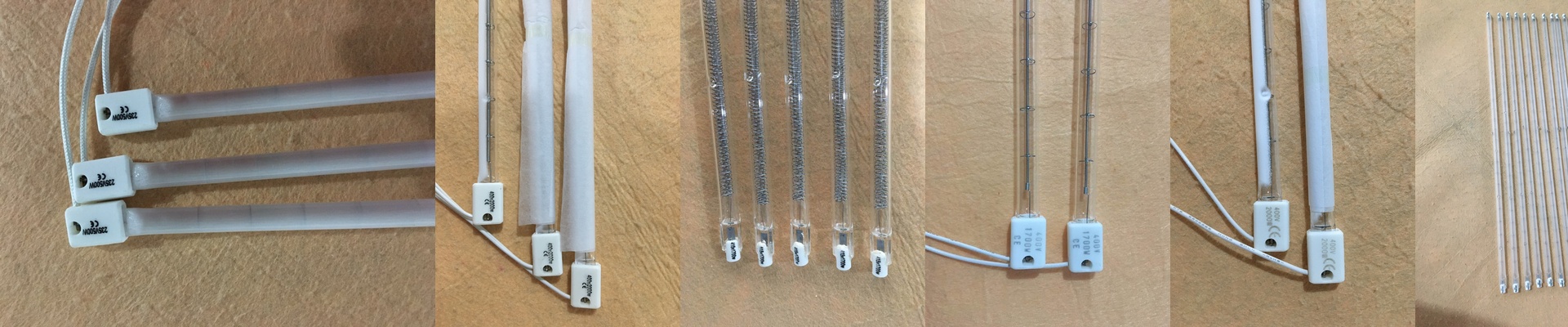
We designed this as a high-output infrared lamp, because when you’re brooding chicks, you need heat that hits hard and hits fast. The 2500W rating gives you the kind of heat density that covers a standard brooding zone without leaving cold spots. Then we went with 400V. Why? Because it pushes high power through smaller wiring, so you pull less current than you would with 230V. That saves on copper and makes the wiring run simpler. And the 300mm tube? It keeps the footprint small, so it slips into tight fixtures and focuses the heat right where the chicks are—not wasted up on the ceiling.
The guts: halogen, quartz, and a connector that just works
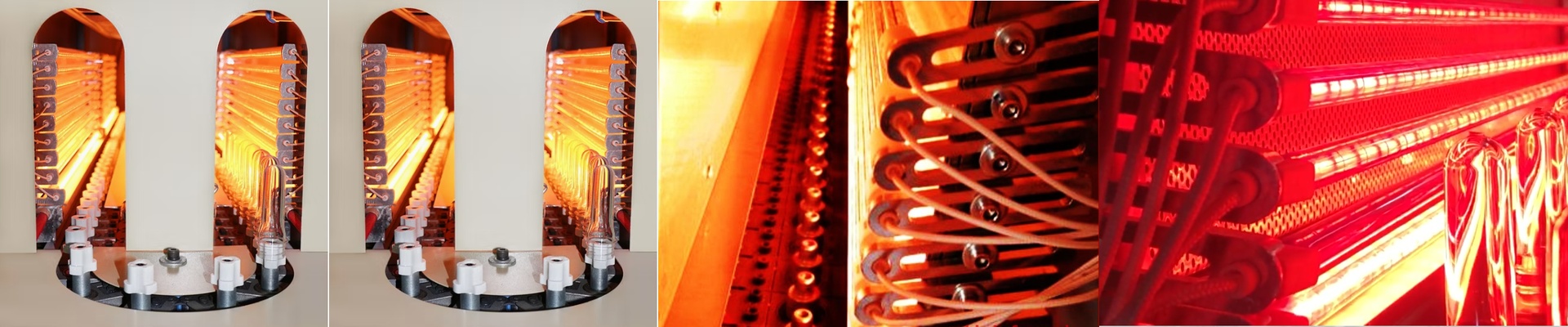
Inside, it’s a halogen-filled quartz tube. The halogen chemistry keeps the filament stable by cycling tungsten back onto the element, which fights blackening and helps the output stay steady over time. The quartz envelope can take the shock of rapid on/off cycles, and it won’t crack when the shed gets humid, dusty, and rough. And the R7s connector? It’s the industry standard for a reason. No adapters. No messing around. Wire it, drop it in, and it stays put.
What it feels like when you’re actually using it
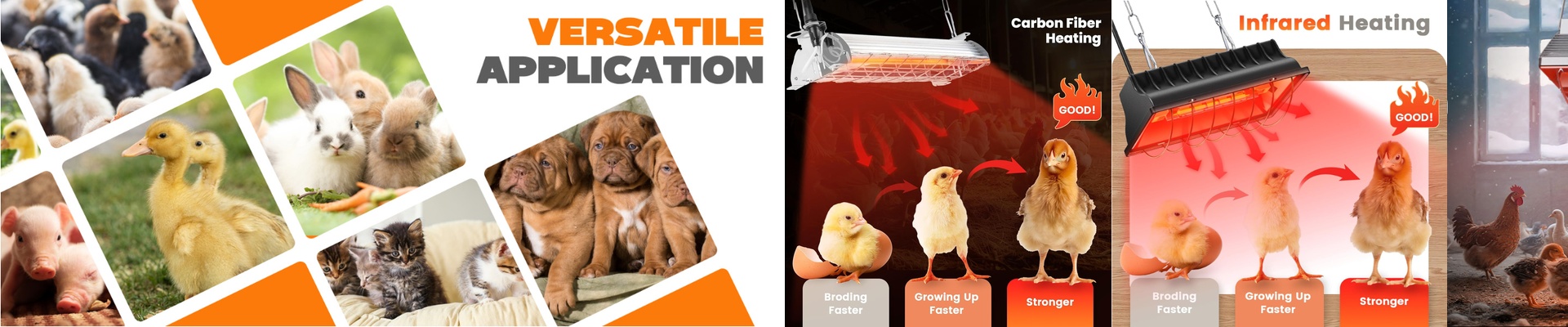
In the poultry house, this setup means brooding heat you can count on. It comes on fast and holds steady. The concentrated infrared warmth goes straight to the bedding and the chicks, so you get effective heat without superheating the air. Now, it’s honest heat—2500W at 400V is serious power—so your electrical supply and fixture ventilation need to be set up for it. Plan for that, and you’ve got a heater that can handle dust, humidity, and long hours, and still keep doing its job, day after day.