Getting the Heat Right for Your Brooders
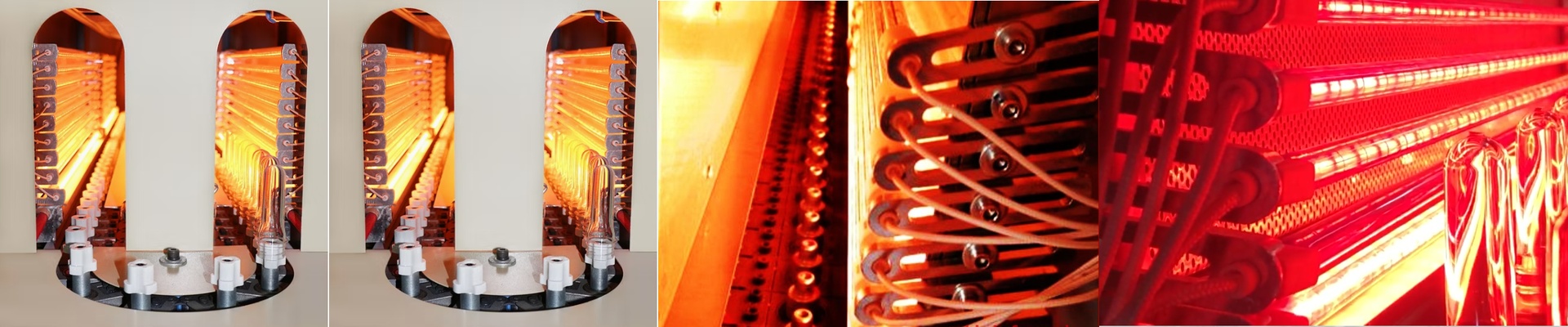
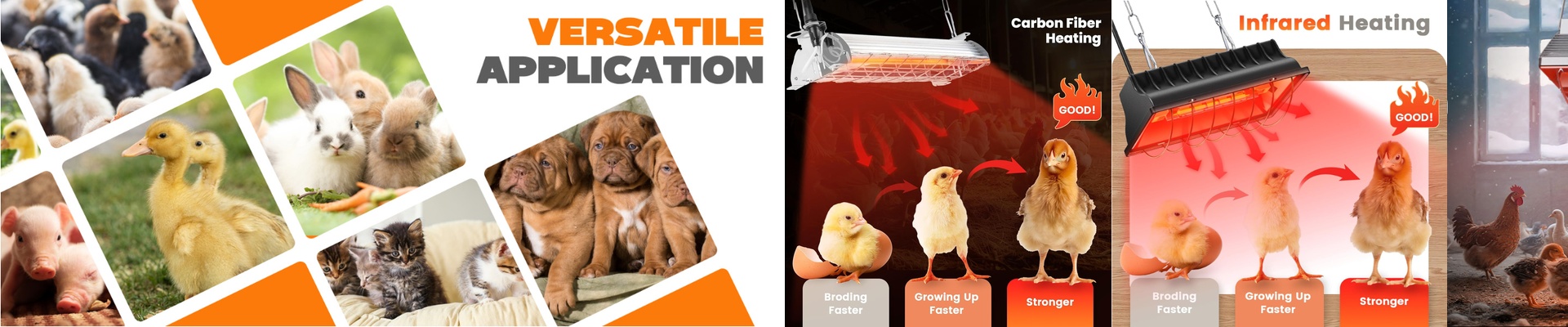
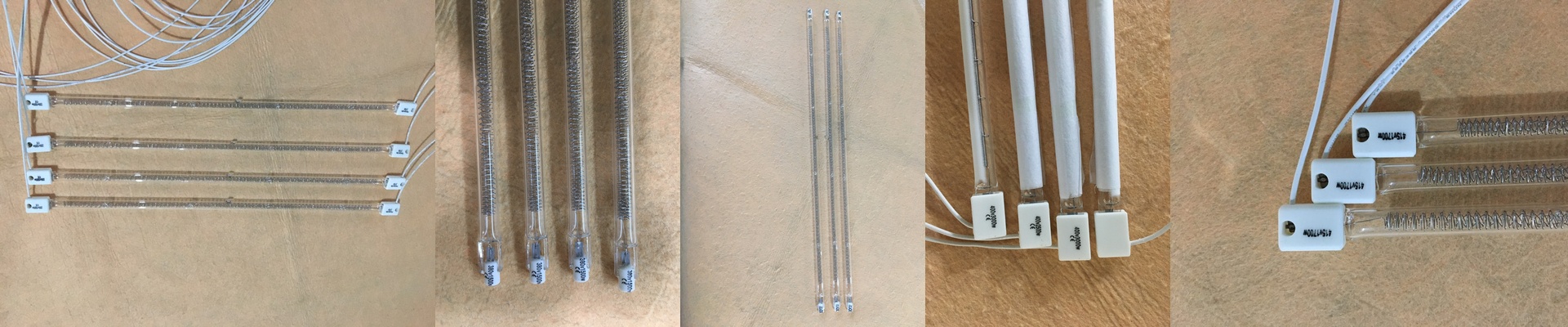
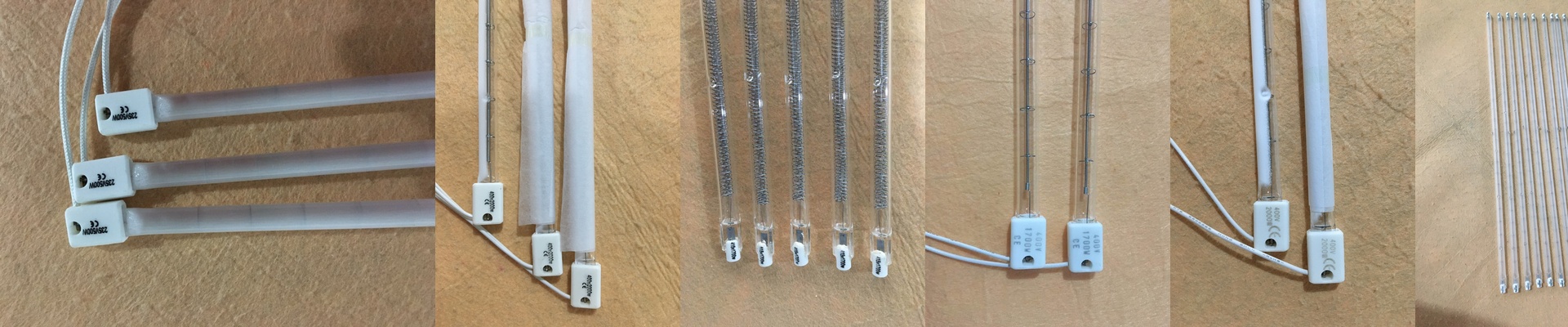
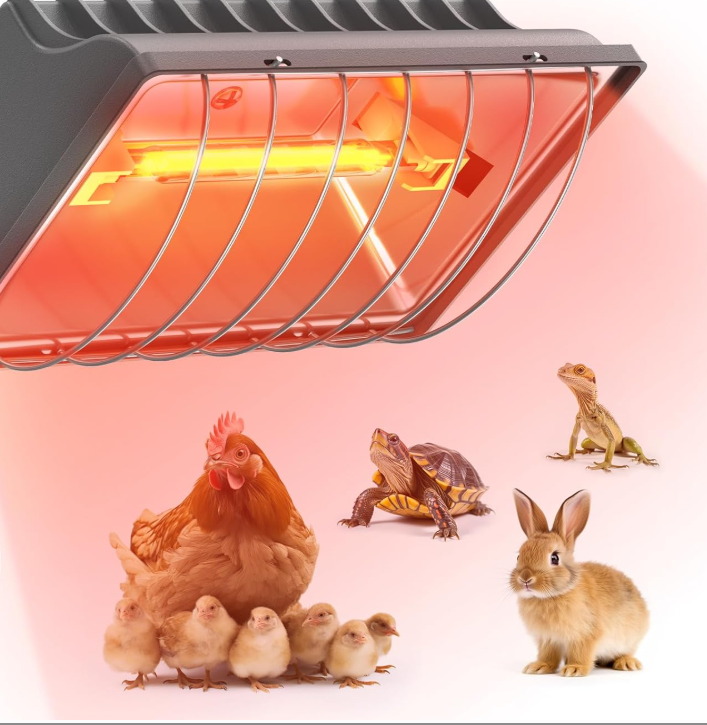
Keeping chicks alive and healthy is all about the heat. If you’re using an automated brooding system, you know the struggle: you need enough warmth to keep them cozy, but not so much that you bake the whole enclosure. That’s exactly why we built our replacement lamps for GQF systems. We used shortwave infrared tech to make sure the heat actually gets where it needs to go. Why the power matters We went with a high-wattage quartz filament because it reacts fast. Really fast. Most cheap heaters have this annoying lag—the temperature dips every time the system cycles, and the chicks feel it. Our lamps hit their operating temp in seconds. It creates a steady stream of heat that cuts right through those fluffy down feathers to keep the birds warm. No dips, no shivering. Built to actually last We didn’t want these things burning out the moment you turned them on. So, we used heavy-wall quartz glass to protect the halogen filament. Then there are the connectors. We use the R7s/Sk15 style because they fit tight. If you’ve used the cheap alternatives, you know they tend to wiggle loose or spark when the system vibrates. We hated that. Our build is all about stability—no loose wires, no arcing, just a solid connection. Setting them up (and a few warnings) The best part? They’re drop-in replacements. You can plug them right into your existing GQF setup without having to tear apart your housing or rewire everything. It’s a simple swap. But here’s the thing: these tubes pack a punch. Because they put out so much heat for thousands of birds, they can make the room get pretty hot. You’ve got to make sure your ventilation can actually move that air. If the airflow is blocked, your chicks might get heat stress, and the lamps will run hotter than they should, which kills the quartz glass faster. One last tip: make it a habit to check your sockets once a month. Just peek in to make sure they aren’t charring under the heat. A quick check now saves a huge headache later.