
Introduction
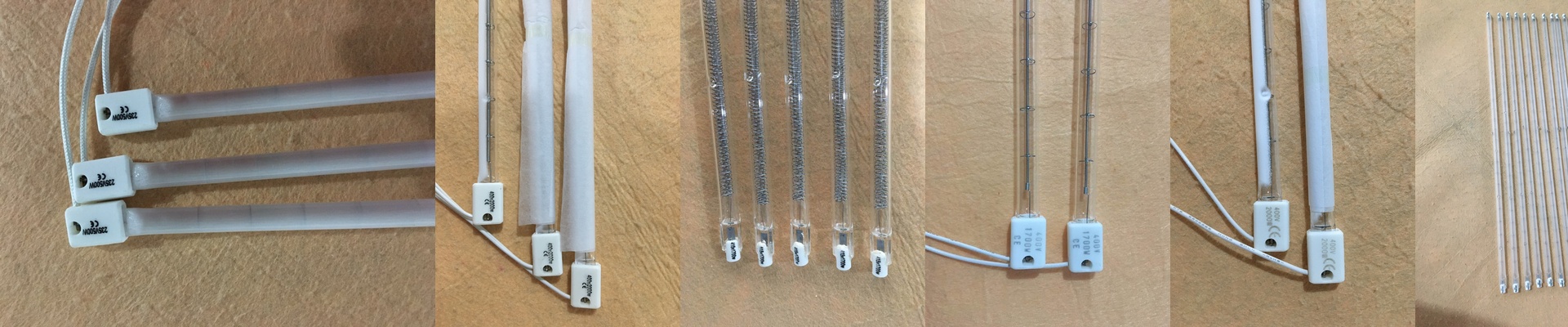
We built these industrial infrared heat lamps for one simple reason: to put powerful, controllable heat exactly where you need it. When you choose a halogen infrared emitter, you’re not just buying a bulb. You’re getting a seriously compact thermal powerhouse, engineered for the toughest industrial heating jobs. These lamps are built to be faster, stronger, and longer-lasting than standard heating elements.
The Nitty-Gritty: Power, Voltage, and Size
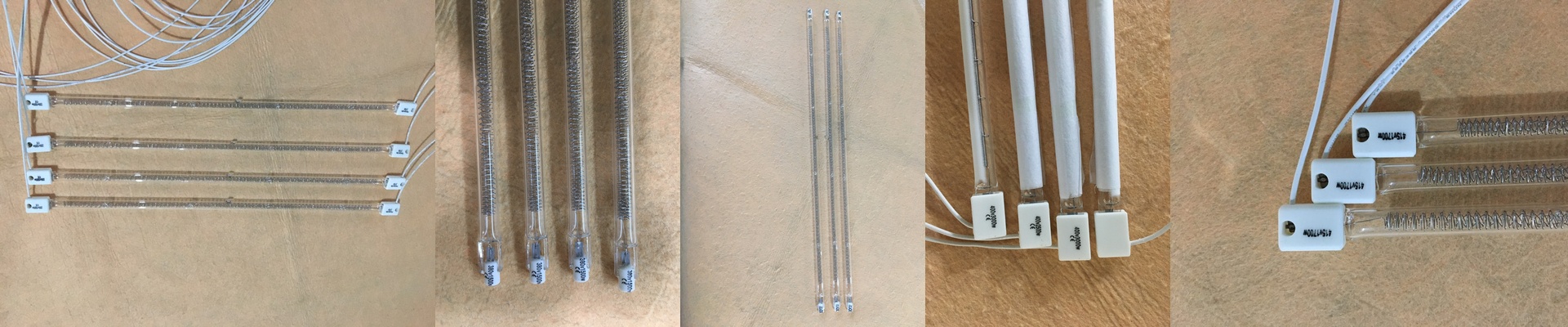
Let’s get into the details, because they matter. Take that 2500W output. It’s a standard power level for jobs that demand a blast of heat, like curing coatings or softening plastics. Pairing that with 400V is a smart move. It delivers the power you need without putting a huge strain on your wiring and control gear. And the length? Around 300mm. It’s a calculated sweet spot. It gives you enough surface area to radiate all that power, but keeps the footprint small enough to fit into those tight, crowded machine spaces.
Built to Last: The Materials That Make It Work
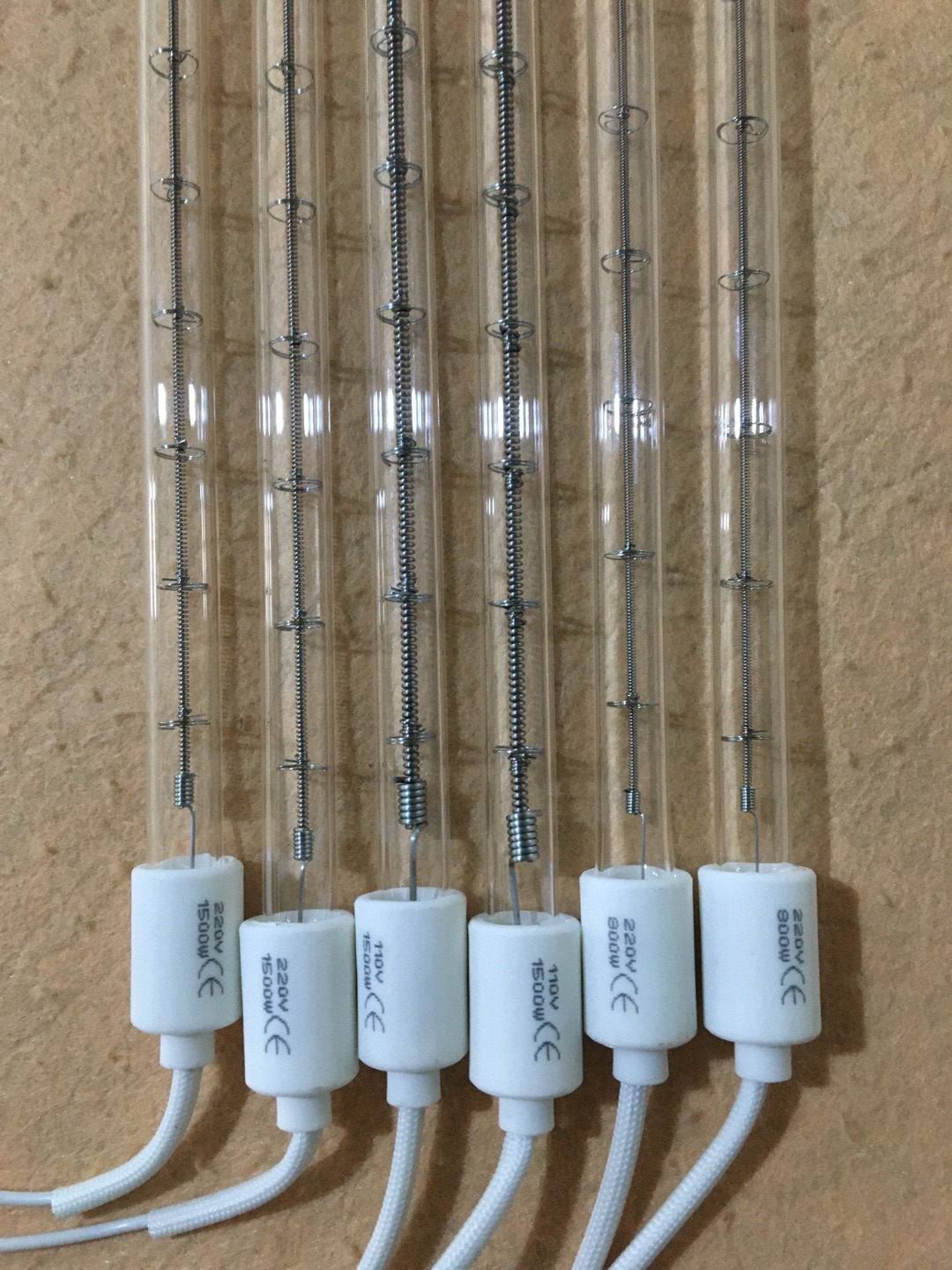
The secret to a long life is the halogen cycle. It works like a self-cleaning system, redepositing evaporated tungsten back onto the filament. This keeps the quartz envelope clear and your output consistent, hour after hour. And that quartz tube? It’s chosen because it can handle the shock of rapid on-and-off cycling without cracking. Then there are the connectors, like the R7s or Sk15. This isn’t a design choice made in a vacuum. It’s a practical decision. These double-ended connectors create a secure, low-resistance electrical contact. The lamp stays firmly in place, and the high current flows without any arcing or overheating at the terminals.
Real-World Solutions for Real Engineering Headaches
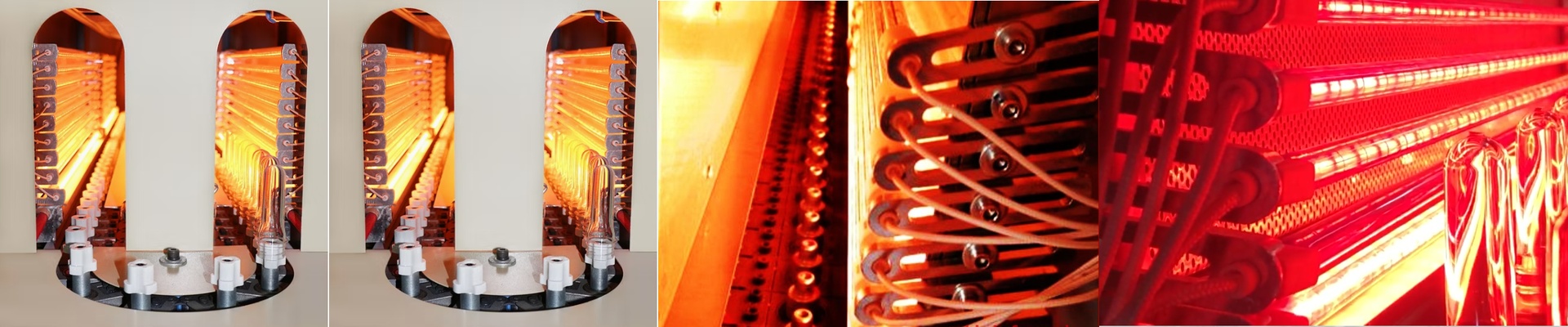
These lamps aren’t just about specs on a page. They’re built to solve real engineering problems. Because they respond so quickly, you can control your heating cycle with incredible precision. That’s critical for processes like PET blowing or thermoforming. The high power density lets you heat a small area fast, which helps keep your line moving. But here’s the thing. That kind of intense performance comes with a trade-off. You need proper thermal management. Your machine has to be designed to shield sensitive parts and handle the radiated heat, so you don’t fry the electronics nearby. What it gives you, in the end, is a reliable, high-output heat source that fits cleanly into a robust, well-thought-out system.