
Quartz vs. Ceramic: Which Heat Lamp Actually Works for Piglets?
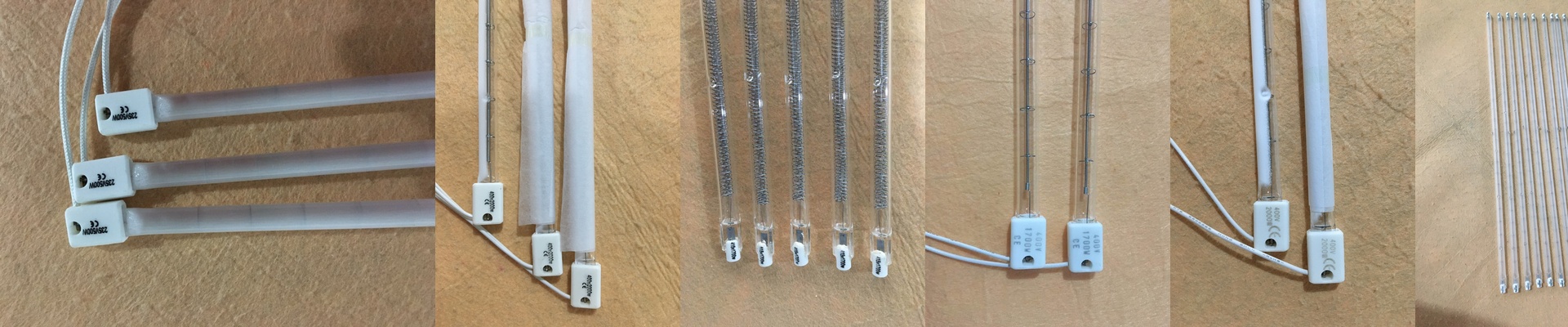
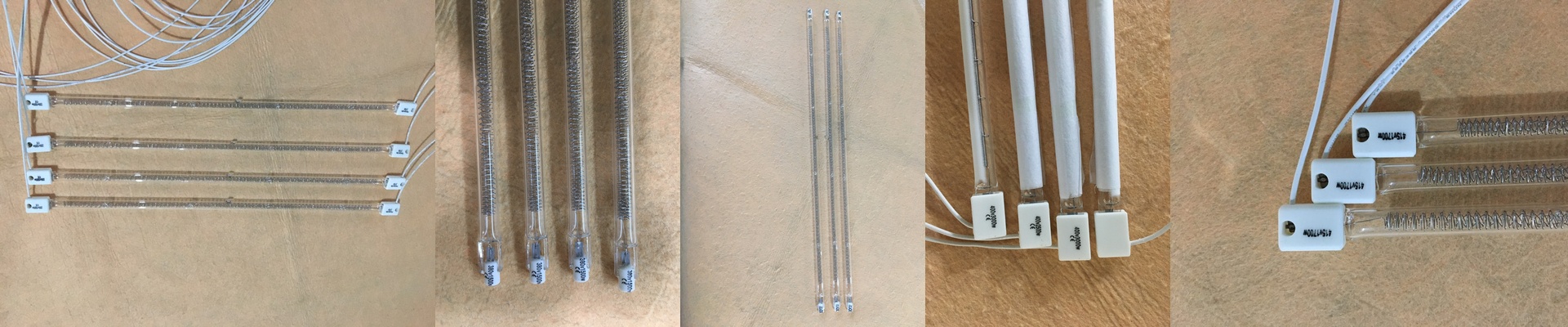
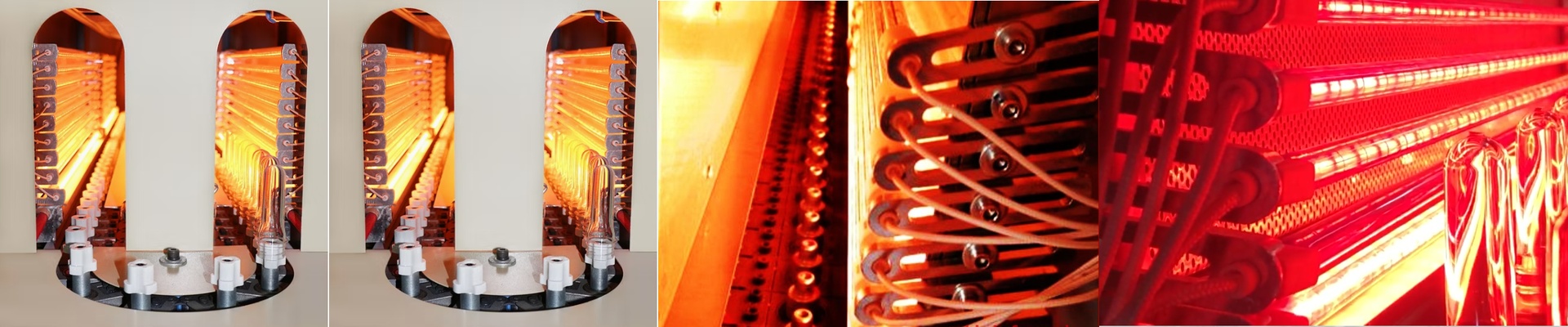
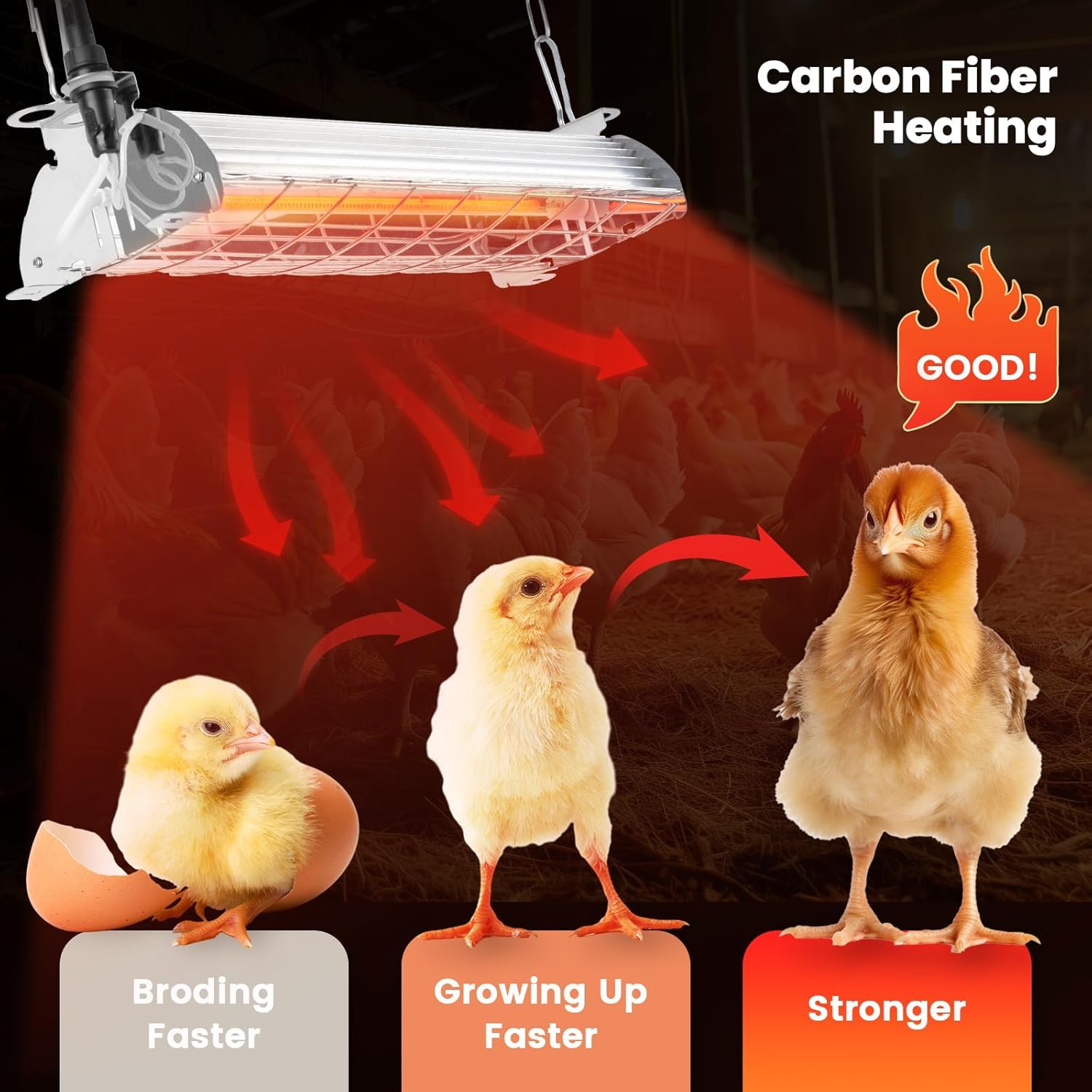
If you’re setting up heat for your piglet crates, you’ve probably seen two main options: ceramic emitters or quartz infrared lamps. Ceramic is the “old reliable” for a lot of people, but honestly? It’s a bit sluggish. They rely on warming up the air around them first. It takes forever for them to get going, and you end up spending a lot of money just to heat the room instead of the actual piglets. Here’s how quartz does things differently. Quartz lamps use infrared radiation. In plain English: the heat travels in a straight line. It doesn’t mess around with the air; it goes straight to the piglet. Because we use high-purity quartz glass around the filament, these things hit their target temperature almost the second you flip the switch. No waiting. No wasted energy. Why I prefer quartz over ceramic Ceramic lamps are basically big, heavy blocks of clay. They hold onto heat long after you’ve turned them off, which makes them clunky. Quartz gives you way more control. You can hook them up to a thermostat, and they’ll snap on and off instantly. There’s no lag time. And let’s talk about durability. Cheap ceramic lamps are notorious for cracking when the temperature swings too fast. Our quartz tubes are built for that. They can handle the rapid shifts without breaking a sweat, meaning they’ll keep pumping out steady heat for thousands of hours. A few things to keep in mind Installing them is easy. They just slide right into standard sockets, wire into your control board, and you’re set. But, there’s a catch. Quartz is glass. It’s fragile. If a piglet manages to nudge it or a worker bumps into the tube, it’s going to shatter.Do not skip the protective cages. Also, because the heat is so concentrated, you have to get the height just right. If you hang them too low, you’ll scorch the piglets’ skin. Too high, and you lose that direct infrared magic. Take a minute to calibrate the distance—it makes all the difference.