
Stop Heating the Air and Start Drying the Wood
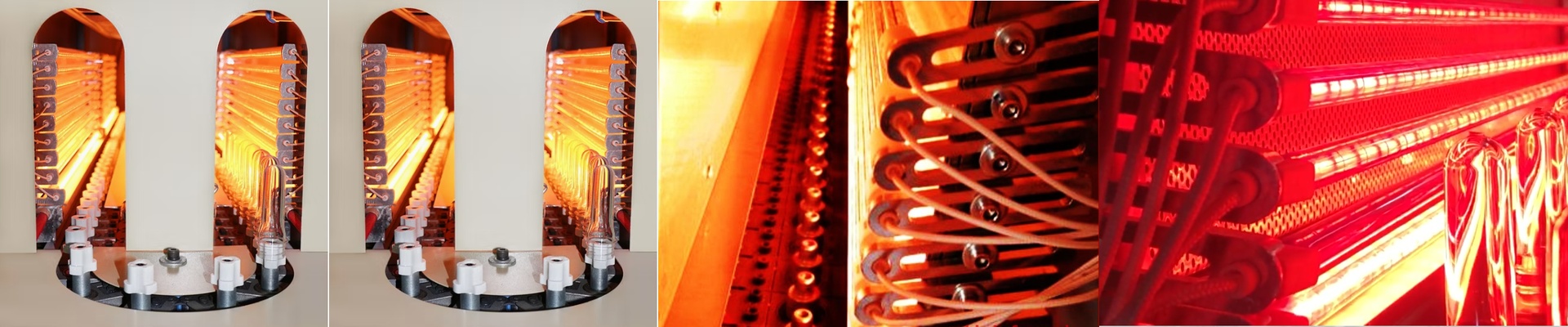
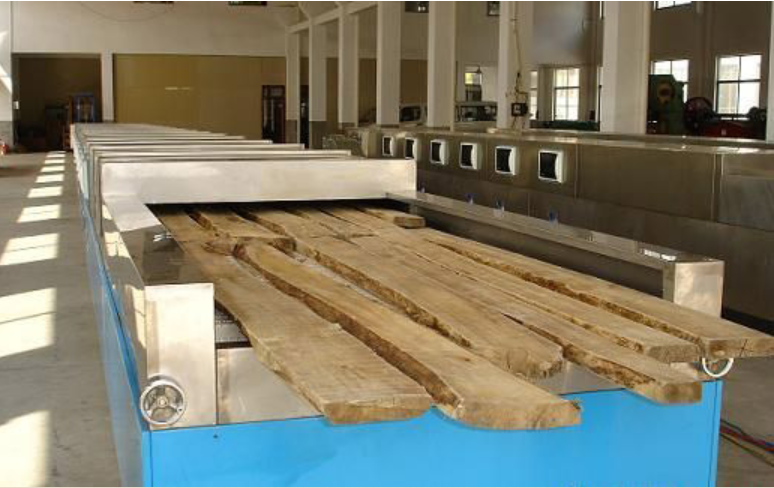
Most wood drying setups have a glaring problem: they try to heat the entire room. You’re basically turning your shop into a giant oven. It’s a massive waste of power, and if you’re working in there during July, it’s absolutely miserable. We do things differently. Instead of heating the air, we use directional infrared (IR) replacement tubes to put the heat exactly where it belongs—right into the wood.
How it actually works
Think of it like a flashlight. While old-school heaters just blow hot air everywhere, IR lamps send out radiation in a straight line. The energy doesn’t actually turn into heat until it hits the surface of the wood. That means your ceiling stays cool. Your walls stay cool. And more importantly, your staff isn’t sweating through their shirts just to get the job done. You stop wasting energy on the “empty space” and focus it on the workpiece.
The nitty-gritty details
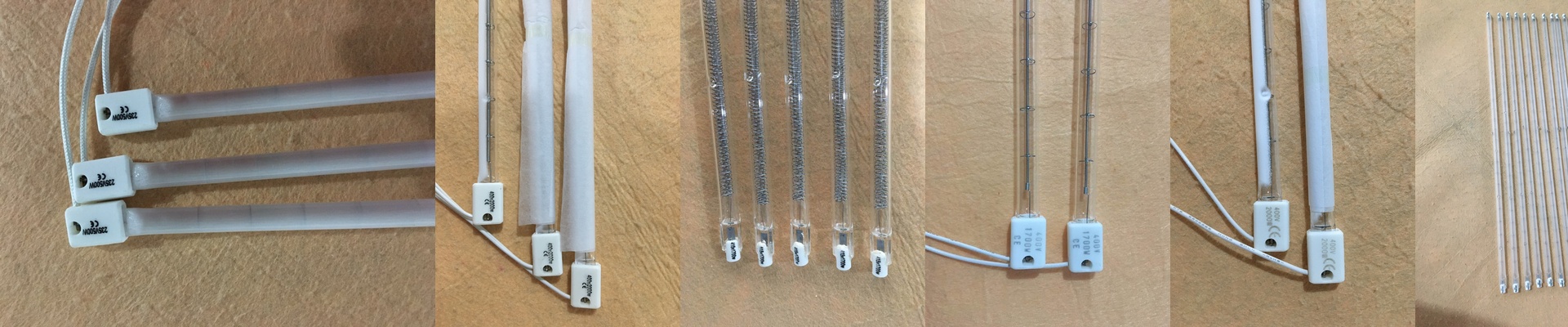
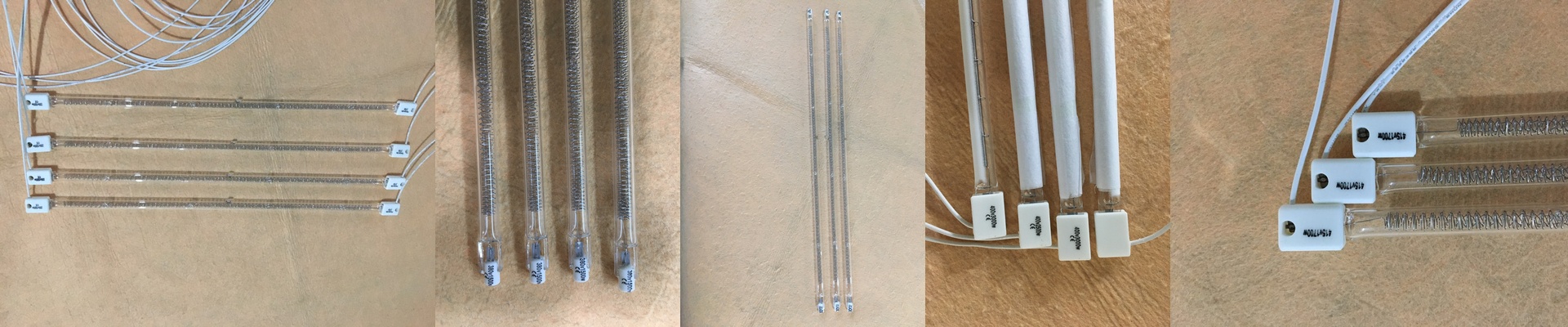
When you’re picking out a replacement tube, the wavelength is what matters most because it controls how deep the heat goes. We usually go with shortwave tubes for a fast ramp-up and high heat density, wrapped in quartz to handle the intense temperatures. Now, you’ll need to make sure the voltage and wattage match your current transformer. It’s a balancing act. Sure, a higher-wattage tube gets things moving faster, but it puts more stress on your wiring. And be careful—if you crank the heat too high without adjusting your conveyor speed, you’ll scorch the surface before the core is even dry. You’ve got to find that sweet spot.
Getting it onto your floor
The best part? These are drop-in replacements. We use standard connectors, so you can just wire them up without having to rebuild your entire housing. Since the heat is localized, you can even set up zone control. You only heat the specific sections of the wood that actually need it. It’s not just about making the shop more comfortable, either. Your machinery won’t overheat as often, and your AC won’t have to work overtime to fight the dryer. One quick tip:**keep your reflectors clean.**If dust builds up on those mirrors, your efficiency tanks and the tubes have to run hotter to keep up. A little cleaning goes a long way.