
Introduction
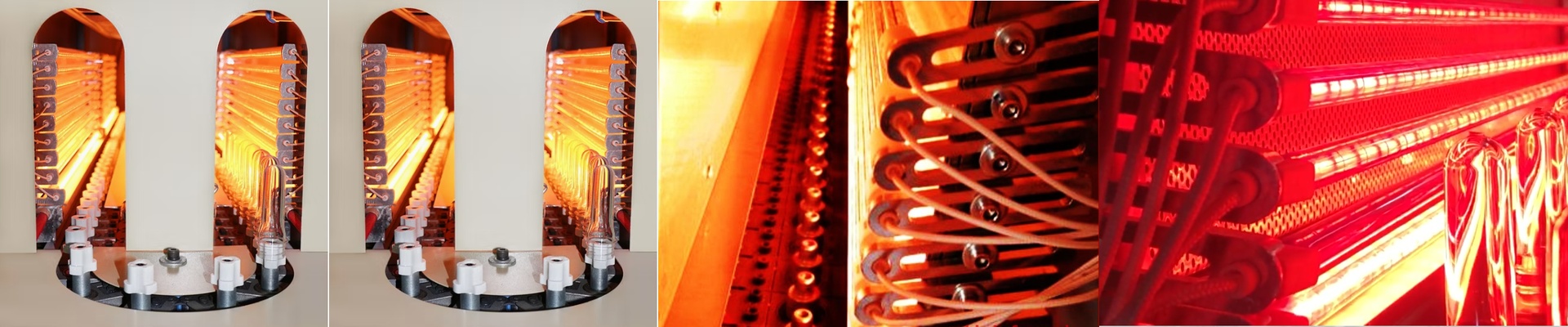
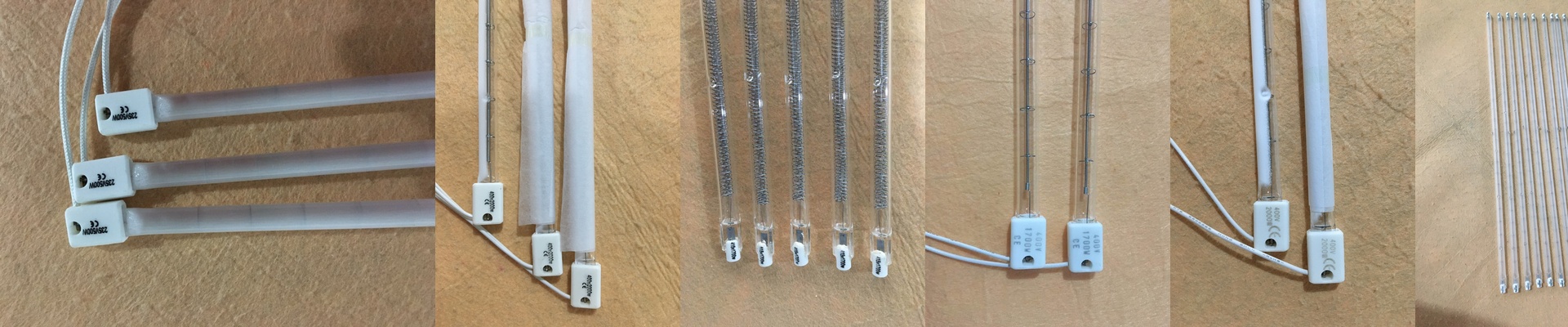
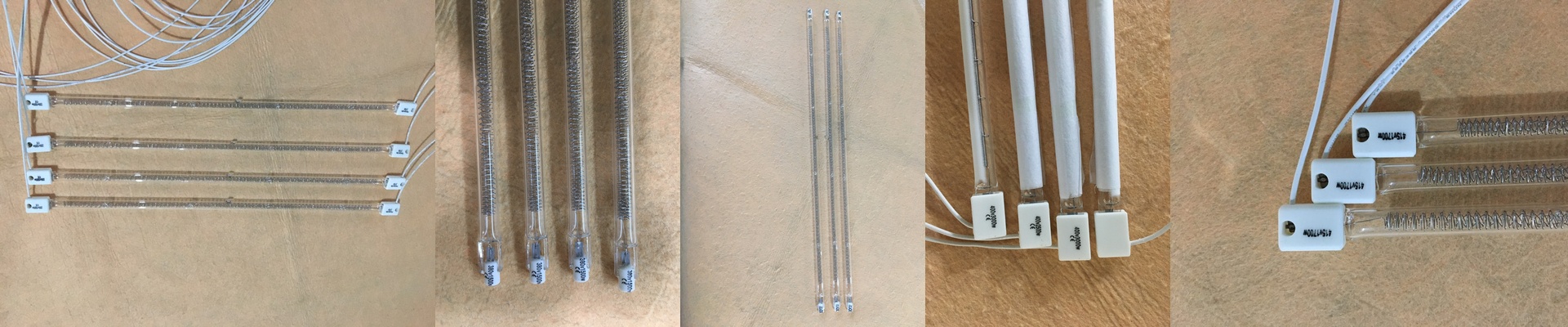
We built this 450mm, 220V, 1000W halogen heat lamp for one reason: it slides straight into industrial gear where space is tight and heat has to be steady. This isn’t a general-purpose bulb you can throw anywhere. It’s a purpose-built heating module—designed for machines that need heat fast, temperature control that doesn’t drift, and a footprint that stays out of the way.
Power, Voltage, and Size: What It Really Means on the Floor
That 1000W rating? That’s the heat you get when it’s doing its job. At 220V, it pulls about 4.5A. And that current matters when you’re wiring it up. Use the right wire gauge, make sure the insulation is up to the job, and check your control circuit can handle the inrush. No surprises, just a heat element that behaves the way you expect. The 450mm length is intentional, too. It’s chosen to match standard heater zones and reflector setups. So if your machine has a fixed channel, this drops right in—no redesigning the housing. You swap it in and get back to work.
The Build: Halogen, Quartz, and an R7s Base That Won’t Quit
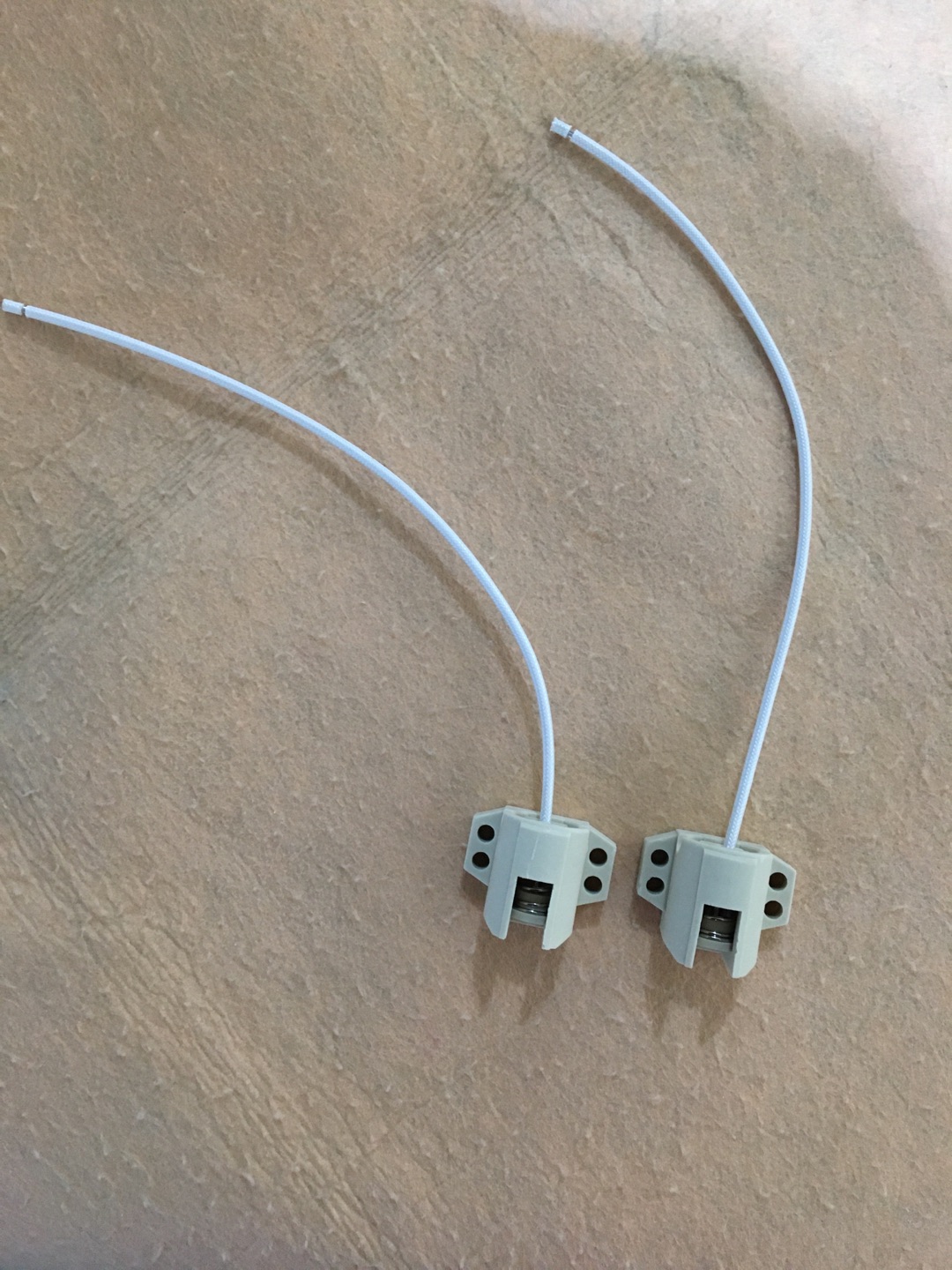
Halogen tech does something clever: it helps keep the filament stable by recycling tungsten back onto it. In practice, that means the output stays more consistent over the life of the lamp. Then there’s the quartz envelope. It handles the high heat and gives you the thermal shock resistance you need when you’re cycling on and off quickly. And the R7s base? It’s just practical. It locks in place, keeps contact solid even when there’s vibration, and makes replacement straightforward. Slide it in, line up the pins, secure it. Done.
Where It Shines—and What to Watch For
You’ll see this setup used a lot in plastic processing equipment, packaging machines, and other industrial heaters that need concentrated infrared heat in a small area. It responds fast. So you hit your setpoint quickly during startup and changeovers. That kind of responsiveness makes the day feel smoother—less waiting around for heat. But here’s the part worth paying attention to: you’re packing 1000W into a 450mm tube, so it runs hot. Make sure your reflector, airflow, and thermal insulation are up to the task. When they are, the lamp stays within its design limits, and you spend less time troubleshooting and more time running.