How We Built the Heater Modern Farms Actually Need
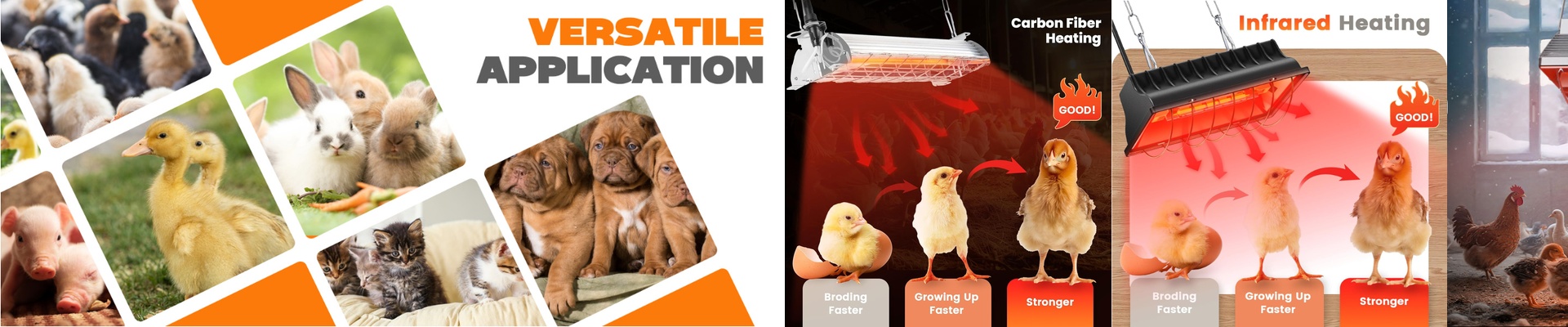
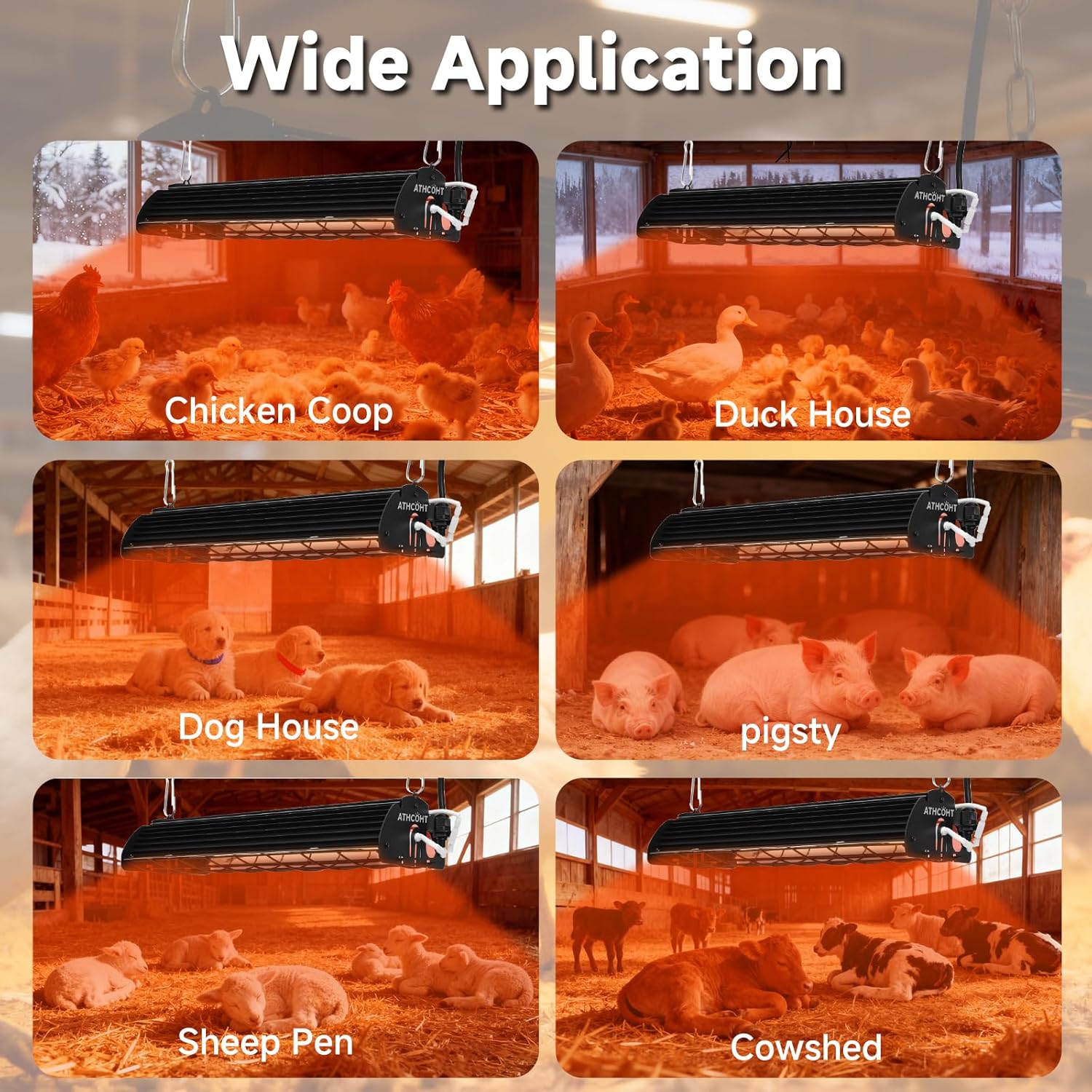
After spending time on over 2,000 farms, one thing became obvious: most heating systems just weren’t keeping up. So we built something different. A solar cattle heater, centered on an infrared lamp designed from the ground up to warm animals directly. No more wasted energy heating empty air. Just warm, focused heat where it matters.
Power, Size, and Why It Actually Works
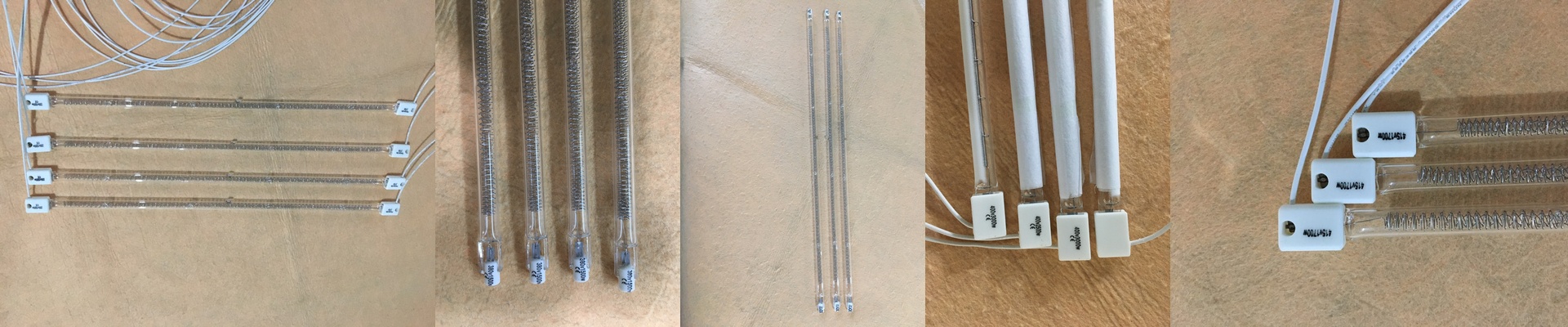
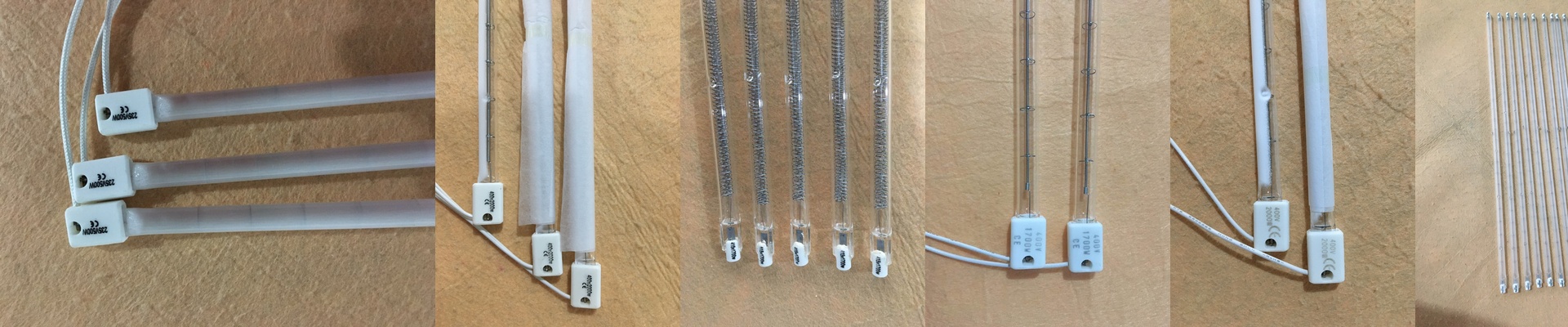
At the heart of the system is a tough 2500W infrared lamp. We run it at 400V because modern farms are wired for serious power, and that voltage makes a real difference. It lets us push a lot of energy across long runs without the voltage drop that messes up low-voltage setups. The upshot? You can use lighter, simpler wiring, and installation costs stay reasonable. And the lamp body? Just 300mm long. That compact size wasn’t an accident. It slips into existing pens and shelters without fighting for space.
Built to Survive the Barn
Farm buildings are rough on equipment. So we built the lamp with a halogen-filled quartz envelope. It handles the shock of switching on and off, and it holds up against humidity and ammonia that eat away at weaker gear. The shortwave infrared reaches deep—through bedding and hide—so the warmth goes right where animals need it. And the connector? We went with an R7s for a reason. Two solid contact points that can carry high current safely. No arcing. No loosening. It’s a connection that stays reliable, even when things get bumpy.
Drops In. Stays Out of the Way. And Keeps Working.
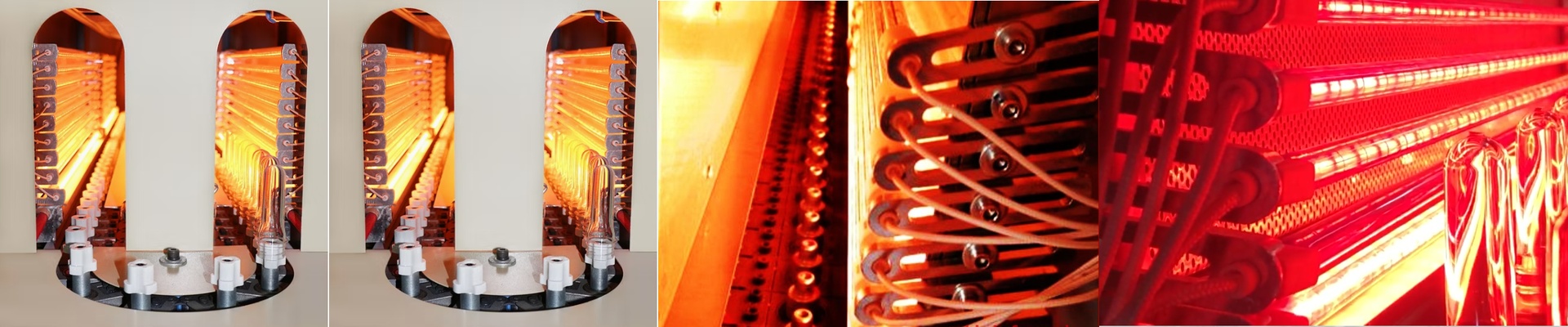
This setup is designed as a straight swap for standard industrial heating—except it’s tuned for livestock and the realities of barn life. You get a lot of heat from a small footprint, which is perfect when you’re targeting specific zones. Now, a heads-up: a 2500W unit puts out serious heat. Make sure the enclosure around it has enough ventilation so the fixture and nearby materials don’t run hot. For the person who keeps the farm running, that means fewer surprise burnouts, less downtime spent fixing heat, and a system that works with the barn’s natural flow instead of fighting it.