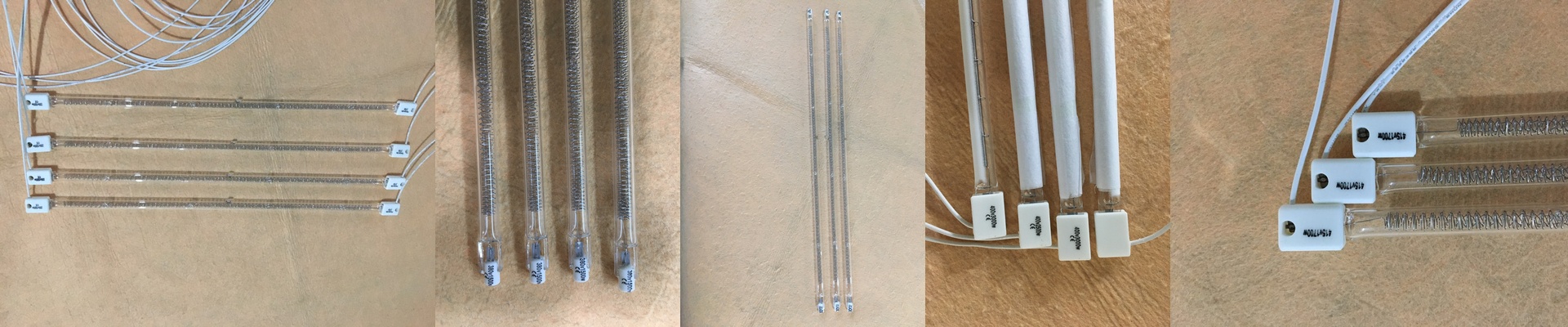

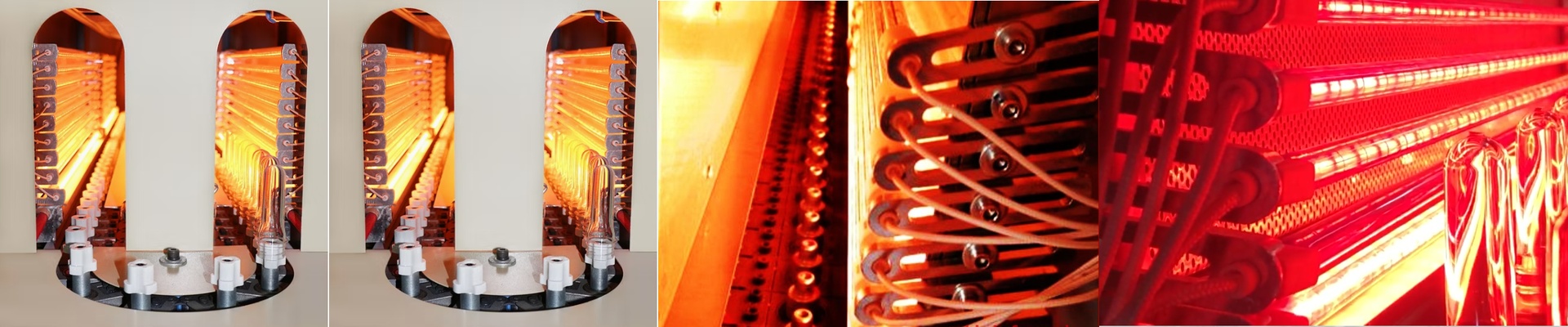
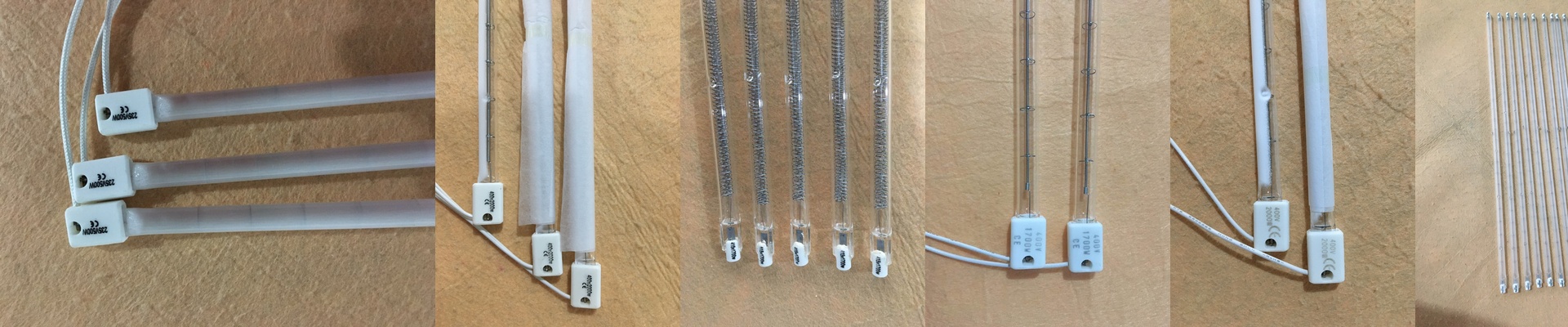
Meet the 1100W halogen heating lamp. It’s the kind of workhorse you want when your industrial process needs heat, and it needs it now—focused, fast, and right on target.
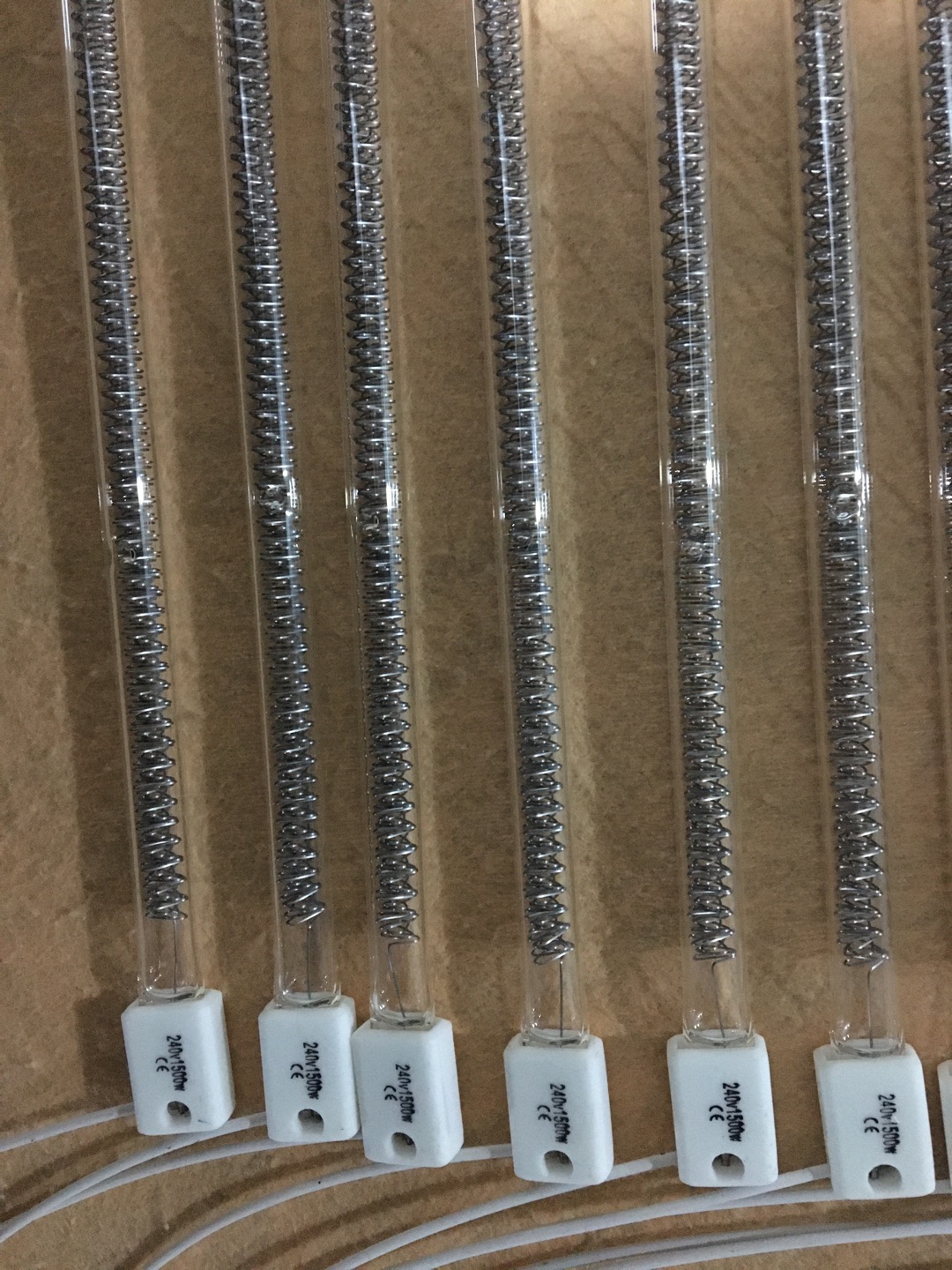
We built this thing for one purpose: to deliver a precise blast of energy where timing and consistency matter. This isn’t some general-purpose heater. It’s a specialized thermal tool, made to slip into tight spots and switch on and off with serious speed. What’s under the hood? The 1100W rating is the heart of it. That power gets turned straight into infrared radiation, giving you a huge amount of heat from a surprisingly small package. That kind of power density means the lamp hits operating temperature in seconds, which shaves down cycle times on your equipment. And the physical specs? They’re designed to fit like a glove. The tube is short and compact, so it slides into those cramped zones where bigger heating elements just won’t go. The voltage matches your control panel’s supply, so installation is straightforward—no need to fuss with extra step-down transformers. Why halogen, and why quartz? We chose a quartz envelope because it can take the extreme heat inside the tube and lets infrared pass through cleanly, so the heat gets out efficiently. Inside, the halogen cycle keeps the filament clean. That chemical regeneration stops the blackening that kills standard lamps, which means a longer life and more stable performance over time. Then there’s the R7s connector. It’s a double-ended linear fitting that gives you solid mechanical hold and a reliable electrical connection. In practice, it’s a simple drop-in replacement. Wire it, align the pins, lock it in—no wrestling with complicated mounting hardware. Where this shines in the real world Out on the floor, this setup solves a very real problem: getting intense heat into a small area, fast. The 1100W output gives you the punch needed for jobs like plastic forming, adhesive curing, and component drying. And that rapid thermal response keeps pace with high-speed automation lines that can’t afford to wait around for a slow-to-heat element. The one thing to keep in mind With 1100W of concentrated heat, you need to plan for thermal management. The lamp runs hot, so the surrounding assembly has to handle the temperature rise. Make sure the reflector and housing can manage that heat without letting nearby components take the strain. That balance—raw power plus smart design—is what keeps this tool reliable, day after day.