
Understanding the IR Halogen Lamp: Power, Design, and Industrial Application
We built the IR halogen lamp for engineers who need a heat source that’s both precise and tough. This isn’t your average household bulb. It’s a dedicated workhorse—designed to deliver concentrated infrared energy where it counts. Its whole reason for being? To give you fast, localized heat for processes where control and output matter—no ifs, ands, or buts.
Power and Size: Why It Matters
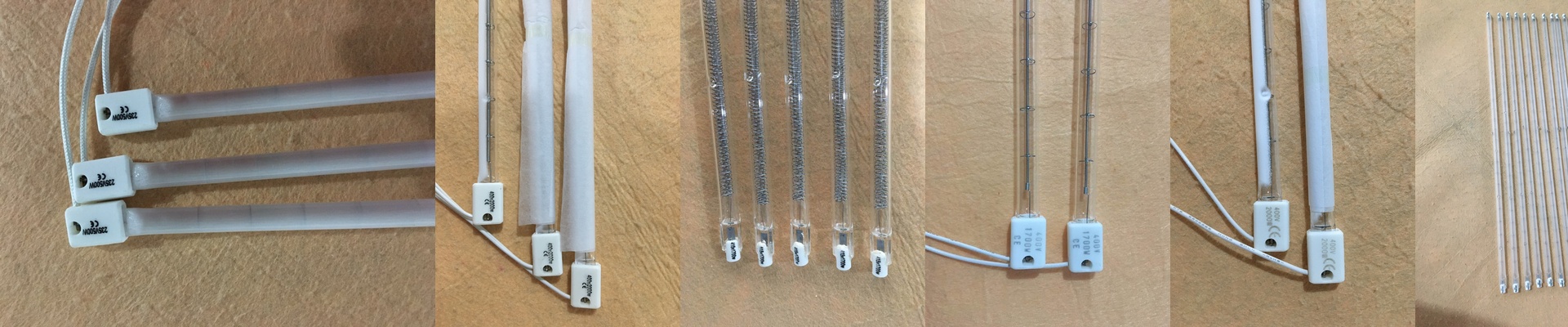
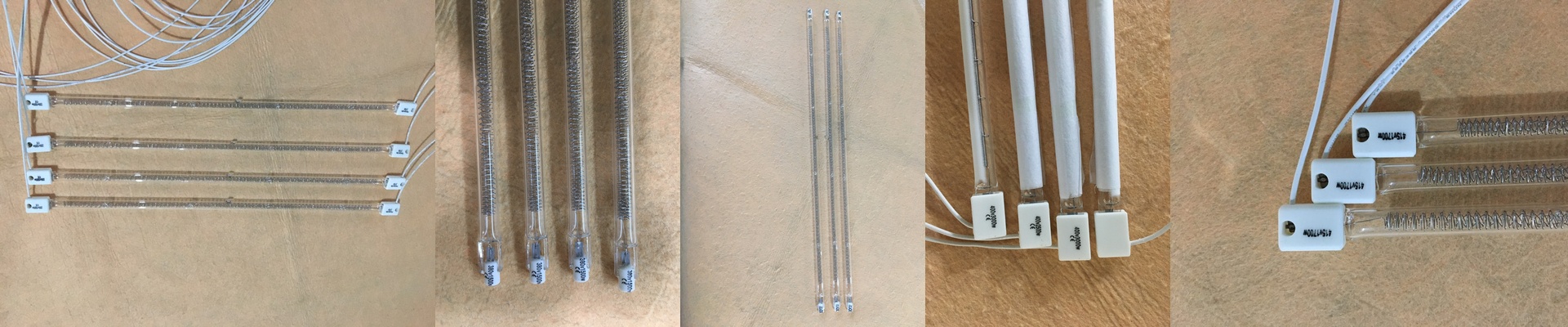
Let’s talk specs, because they weren’t picked at random. This lamp runs at 2500W and 400V. That’s not just a number—it’s a deliberate choice. The high voltage and power combine to pack a serious punch into a small package. And the 300mm length? That’s the sweet spot—giving you even heat distribution without taking up more space than your machine can spare. You get a lot of heat in a tight area. But that also means your cooling system needs to be up to the task. Keep that in mind when you’re planning the setup.
The Core: Where the Magic Happens
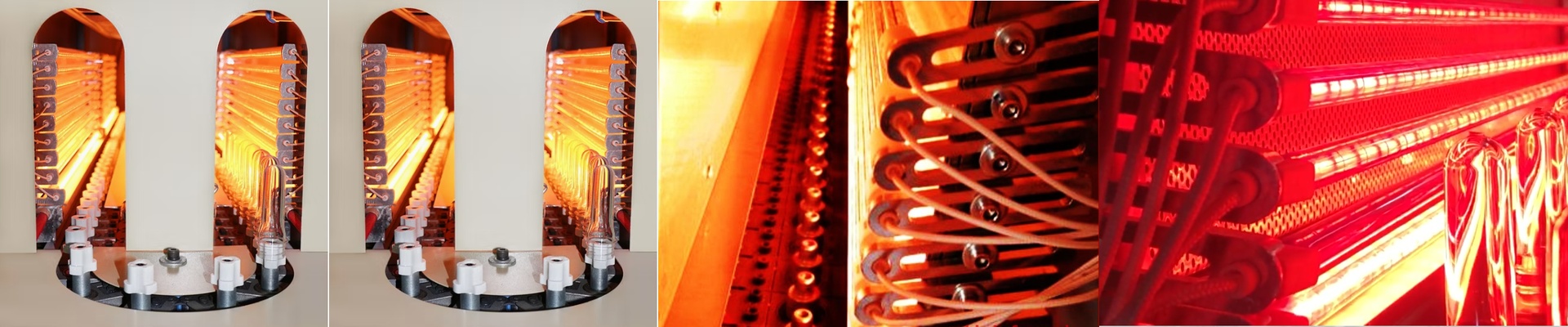
Inside, you’ve got a quartz tube filled with halogen gas. This design is what keeps the lamp lasting and performing. The halogen cycle actually helps regenerate the tungsten filament, which fights off blackening and keeps the output steady over time. No fading. No surprises. Then there’s the shortwave infrared coating on the quartz. It focuses the energy in the 0.78-1.4 micron range, so the heat goes right where you need it—into the material, not the air around it. And the R7s connector? It’s simple, solid, and reliable. It handles the high current without getting hot under pressure, giving you a secure, low-resistance connection every time.
Built for the Shop Floor
Out on the floor, this lamp isn’t just theory—it solves real problems. That shortwave IR output is perfect for jobs that need quick surface heating. Think curing coatings, shrink-fitting parts, or drying materials fast. The quartz body can take thermal shock, so rapid on/off cycles don’t stress it out. And the R7s base makes installation a breeze—just drop it in and go. You get focused heat, right where you need it, when you need it. No wasted energy. No overworked systems.
The Trade-Off: Power Demands Control
Here’s the thing—this lamp is immediate. Intense. That kind of power is amazing, but it needs to be handled right. You’ve got to pair it with a control system that can keep up—like a PID controller or a solid-state relay. That’s how you manage the temperature curve and keep your equipment protected.