
Why Your Homag Heating Lamps Keep Dying (And How We Fixed It)
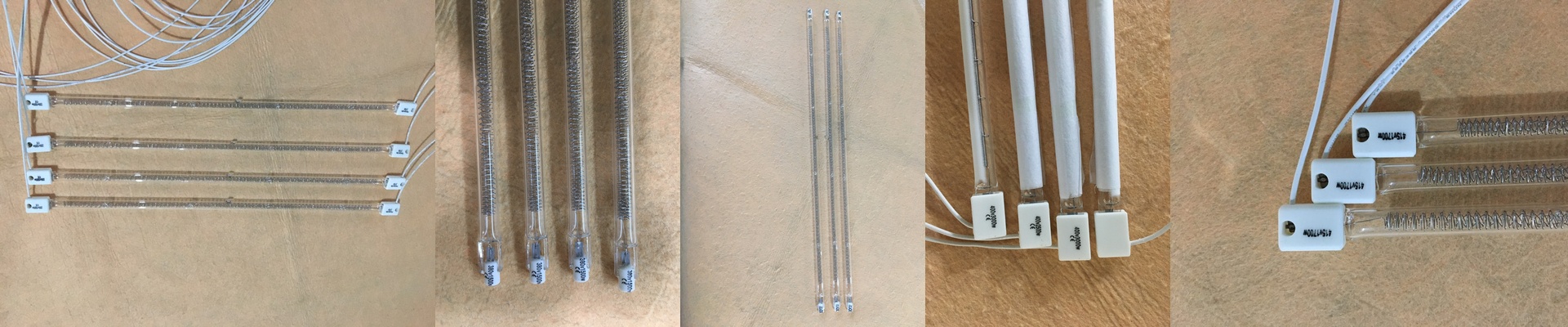
If you’ve spent any time around a Homag edge bander, you know the drill. You need heat—concentrated, precise heat—to melt that glue without burning your boards to a crisp. But there’s a catch: the heating lamps are almost always the first thing to give out. It’s a headache nobody needs. We spent a lot of time looking at why this happens. It usually comes down to two things: the quartz and the filament.
The Secret to a 5,000-Hour Life
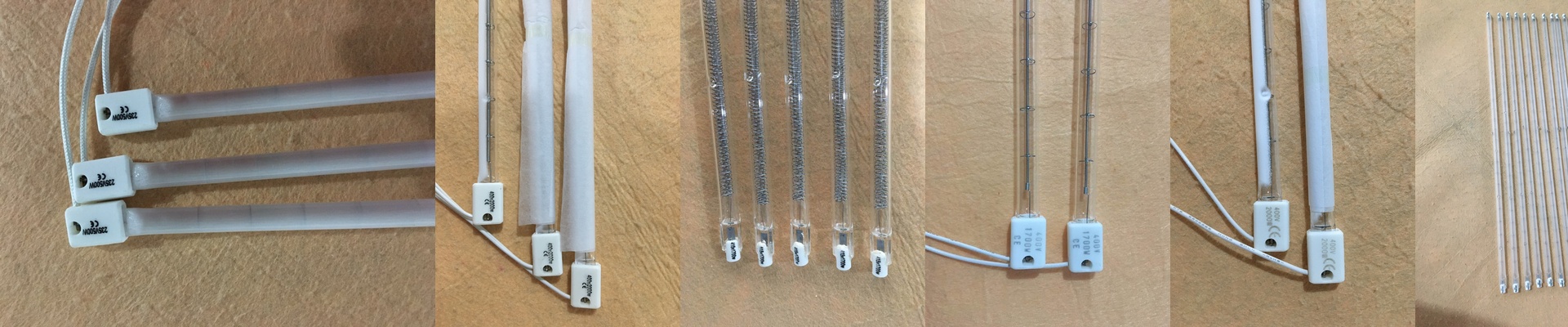
Here is the thing about standard lamps. The tungsten filament inside eventually evaporates. It sticks to the quartz walls, makes the tube look “blackened,” and kills the heat output. We stopped using the basic stuff. Instead, we use filaments doped with rare-earth elements. It sounds fancy, but it basically just means the metal doesn’t evaporate nearly as fast when things get hot. Then there’s the glass—or the quartz, technically. We use a high-grade synthetic fused silica. It doesn’t warp or soften under the intense pressure of shortwave IR. When you put those two together, you get a lamp that actually lasts. We’re talking5,000+ hours. Most of those cheap, generic replacements? They’re dead by 2,000.
A Quick Warning on Your Wiring
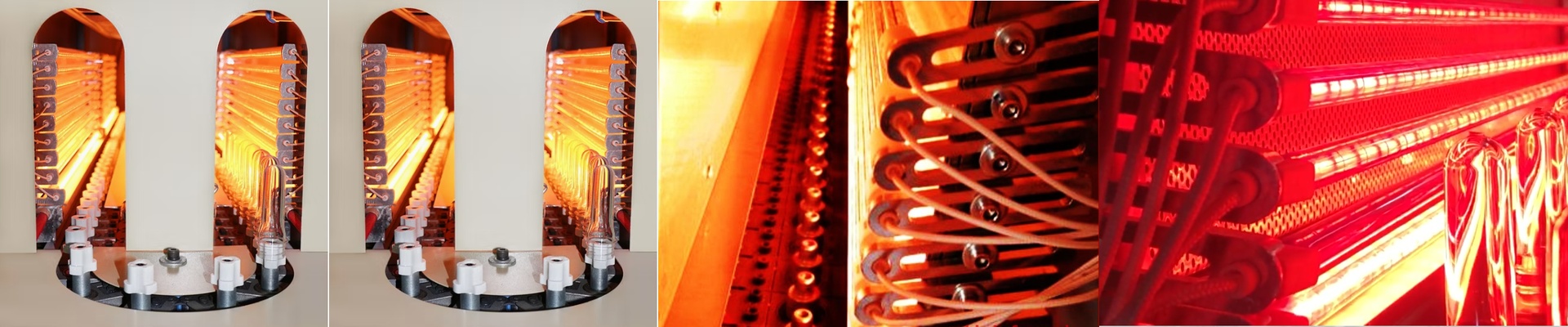
These lamps are built to heat up fast. Really fast. That means you spend less time waiting for the machine to warm up and more time actually producing. But there’s a trade-off. All that power puts a lot of stress on your electrical contacts. If your sockets are old, worn out, or covered in oxidation, they’ll arc. And when they arc, they’ll melt the ends of your brand-new lamp. **Do yourself a favor:**check your wiring and connectors before you slide in a new tube. It takes two minutes and saves you a lot of money.
Just Swap and Go
We didn’t try to reinvent the wheel here. We kept the dimensions and wattage exactly the same as the OEM parts. Why? Because the heat needs to hit the glue pot and the edge strip exactly where it’s supposed to. You won’t have to mess around with your PID controllers or spend an hour recalibrating the machine. Just swap the tube and get back to work. We cut out all the fluff and focused on the metallurgy, which is why our lamps can go toe-to-toe with the biggest brands in the world.