
Getting the Heat Right for Your Felder Machine
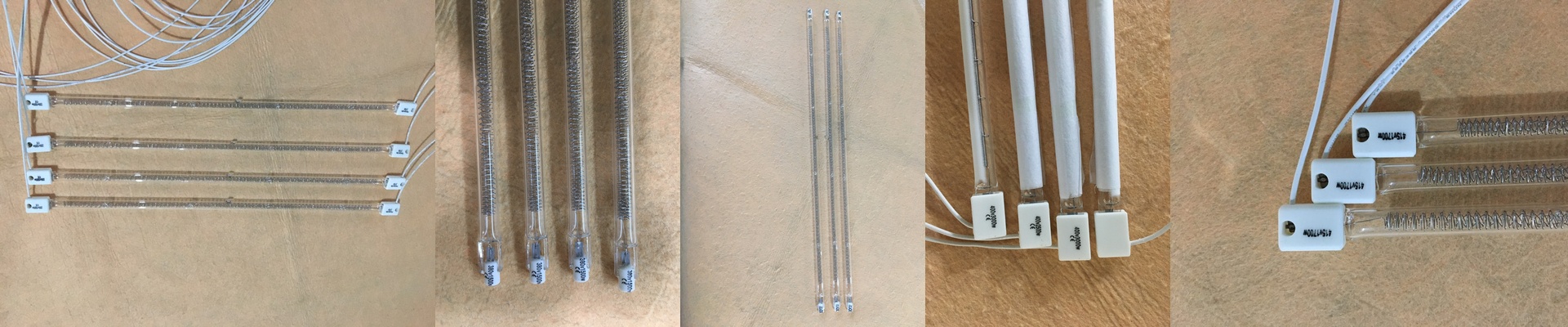
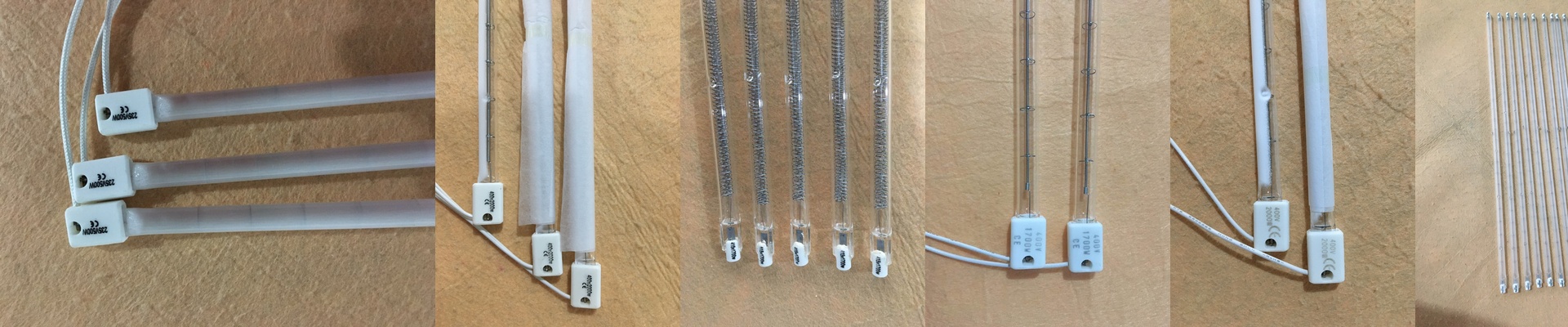
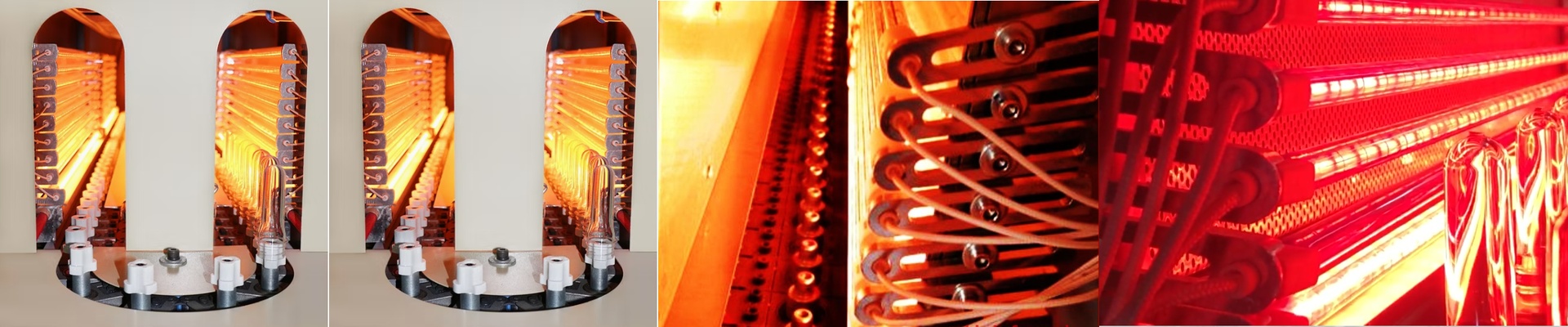
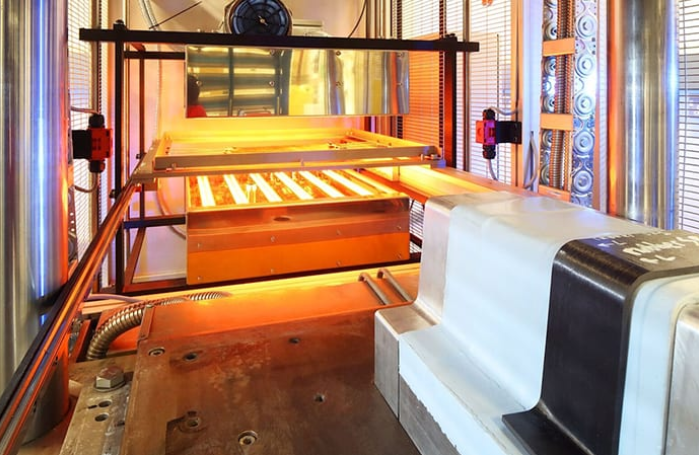
When you’re bonding veneers or drying glue on a Felder machine, heat is everything. Too little, and the glue doesn’t set. Too much, and you’ve just warped a beautiful piece of wood. It’s a delicate balance. That’s why we don’t just sell “generic” lamps. We build our replacements to hit that sweet spot where the heat is dense enough to do the job, but not so aggressive that it ruins your substrate. Power, Speed, and the Danger Zone Here is the thing about wattage: it’s all about how fast that surface temp climbs. If you’re running a high-speed line with wood flying under the lamp, you need a high-wattage tube to get the job done in a split second. But you have to be careful. If you cram too much power into a small space, you’ll fry the filament or melt the housing. It’s a quick way to kill a lamp. Also, do your cooling fans a favor—keep them clean. If they’re choked with dust, that heat has nowhere to go. Why the Glass Matters We use high-purity quartz for the tubes. Why? Because it lets short-wave infrared radiation pass right through. Instead of the glass soaking up the energy, it shoots straight into the wood. Some of our lamps even have special coatings. These help the heat soak deep into the wood fibers instead of just scorching the surface. You get a solid cure, not a burnt finish. Installing Them (And Keeping Them Alive) Most of these use standard R7s or spring-loaded connectors. We made them as simple drop-in replacements. No rewiring, no messing with brackets, no headaches. But please, make sure the fit is tight. If the lamp jiggles in the socket, you’ll get arcing. That little spark might seem harmless, but it eats away at the contact points and kills the lamp way faster than it should. We test every batch to make sure they snap right into place. One last tip: shops are dusty. Sawdust on a hot quartz tube creates hotspots, and hotspots lead to cracks. Keep the glass clean, and your lamps will last a lot longer.