
The Infrared Heater Lamp We Built for the Barn—No Fluff, Just Reliability
Let’s talk about the heater lamp we designed for livestock housing. Because out there, the conditions are brutal—constant humidity, ammonia hanging in the air, and temperatures that swing wildly. We asked ourselves a pretty straightforward question: how do we make a lamp that meets serious corrosion and sealing standards, without sacrificing the heat output that actually matters? The answer came from treating it like an honest engineering problem, not a marketing one. Better materials. Better process. Period.
Power, Voltage, and Size: The Details That Save You Headaches
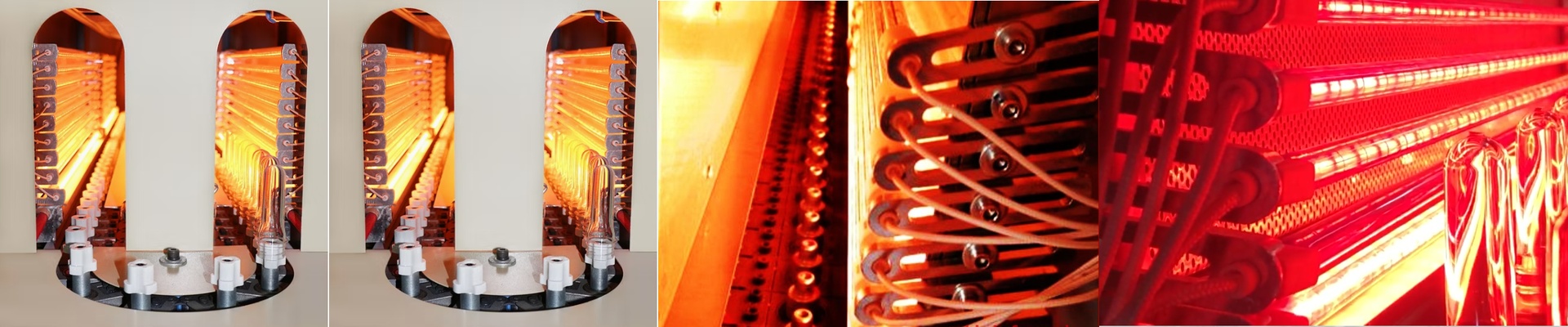
This unit runs on 220V–240V, which lines up with what most farms already have. No extra step-up transformers. No messing around. And the footprint? Intentionally compact. It fits where space is tight—like farrowing crates and brooders—without turning installation into a puzzle. The wattage is tuned for radiant heat, not warm air. So the moment you flip the switch, the animals feel the warmth. Right away. That direct approach keeps the energy focused where you need it.
Materials and Design: Built to Fight the Barn’s Worst Enemies
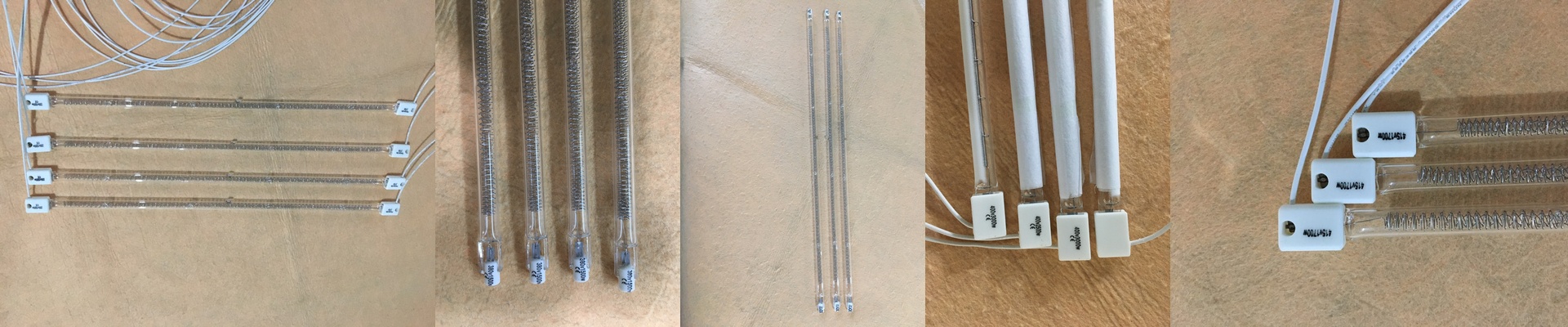
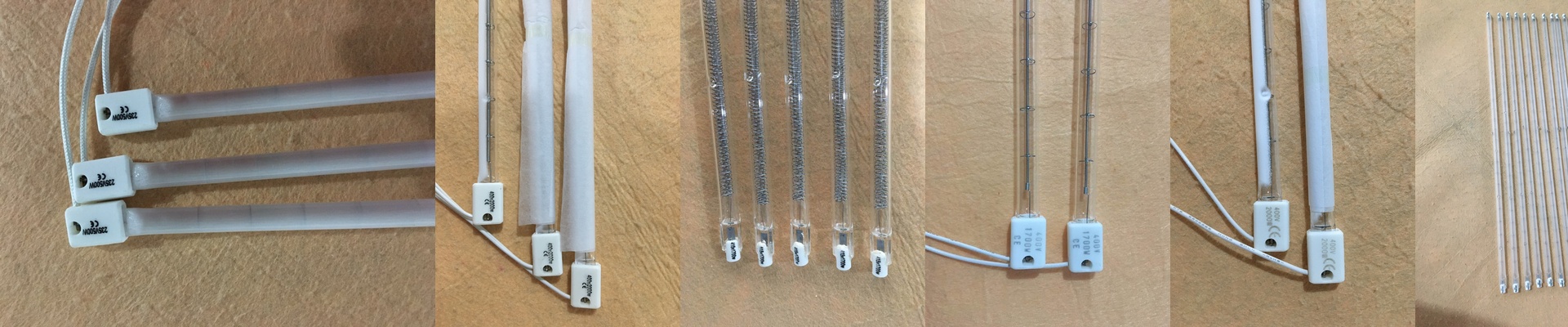
Inside, the wiring uses a high-temperature, corrosion-resistant alloy with dual insulation. That matters because ammonia and moisture chew through ordinary wire fast. This stuff holds its ground. At the sealing points, we didn’t settle for standard epoxy potting. We went with a hermetic ceramic-to-metal seal. That blocks moisture from sneaking in where most lamps fail. The R7s bi-pin connector is chosen for high-temperature stability and solid contact. It handles thermal expansion without loosening, so you don’t get hot spots or that frustrating intermittent arcing.
Real-World Use: Heat That Works, Even When the Barn Is Rough
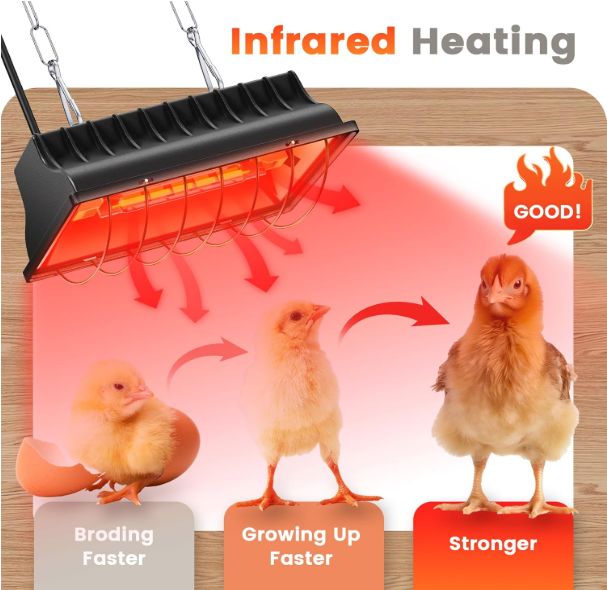
In livestock settings, the lamp has to take a beating and keep going. Radiant heat helps dry bedding and warms newborns directly, which cuts down on drafts and supports better survival rates. And because the construction is sealed, contaminants stay out. That means less maintenance and fewer premature burnouts. Here’s the practical part: that tight seal and high-temperature materials do mean the internal operating temperature runs higher. So make sure your mounting hardware and nearby fixtures are rated for continuous heat exposure. Get the brackets and wiring matched up, and this lamp becomes a straightforward, drop-in upgrade that stands up to international reliability expectations.