
Custom Halogen Infrared Lamps: When You Need Heat That Actually Fits
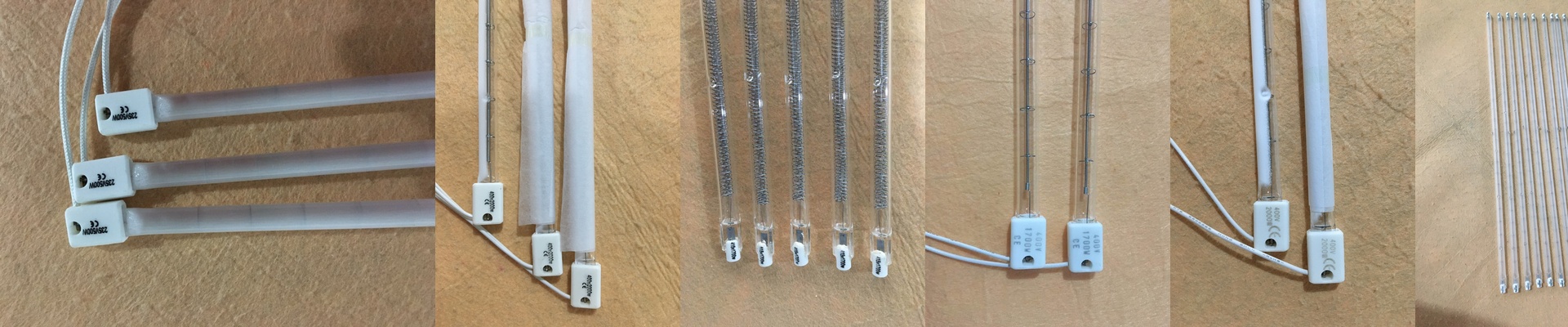
We build custom halogen infrared lamps for engineers who know exactly what they need. You’ve got a space to fill, a performance target to hit, and standard heaters just won’t cut it. These aren’t off-the-shelf bulbs. They’re engineered components, built to deliver intense, controllable heat right where your process demands it.
Power, Voltage, Size: Getting the Details Right
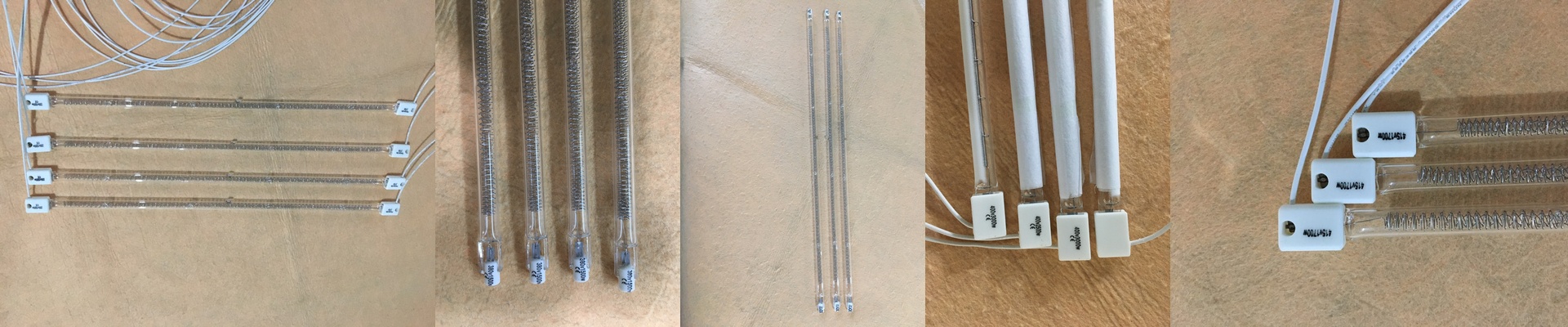
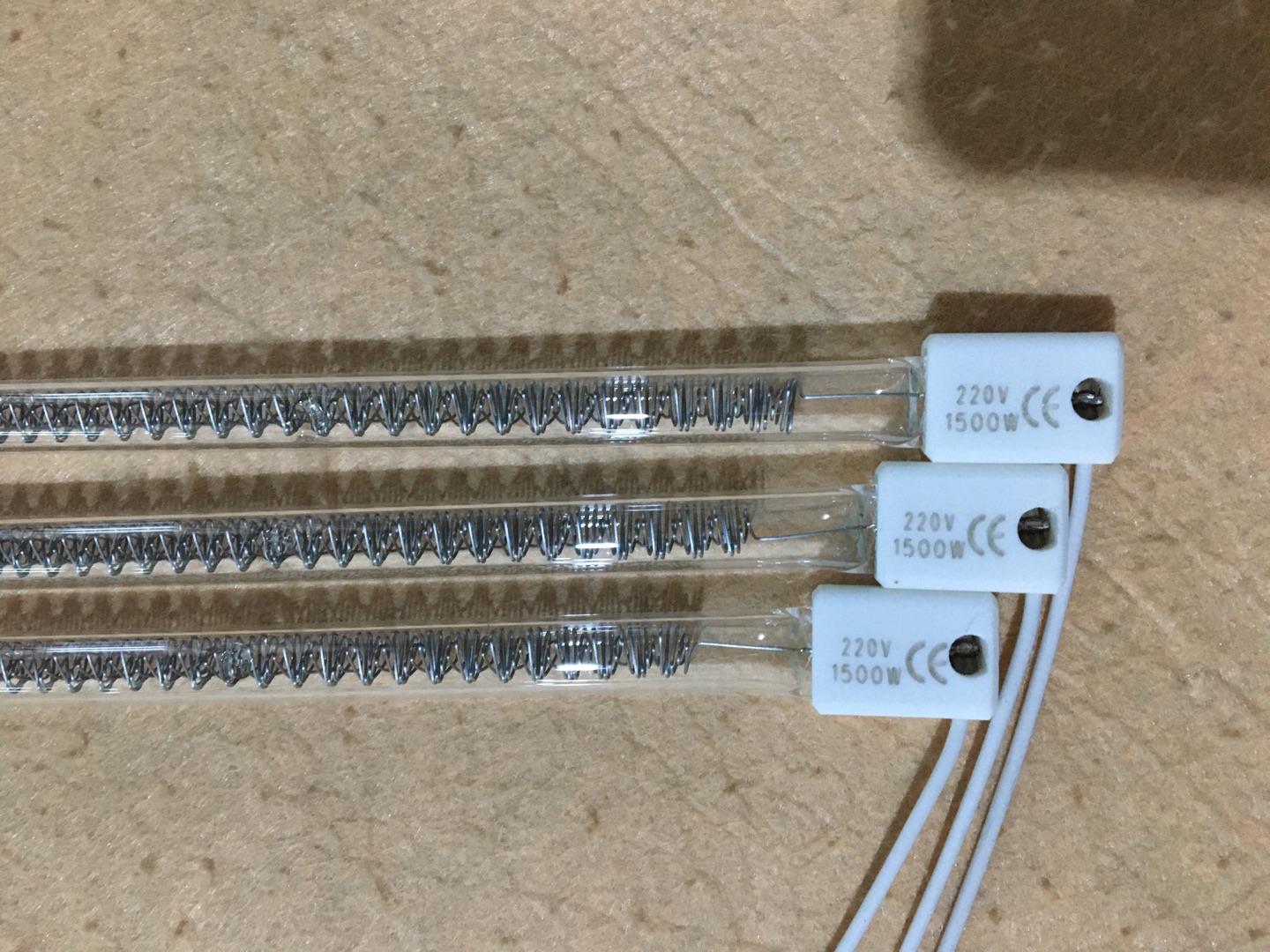
Here’s the thing: a custom lamp comes down to matching electrical input to physical output. Say you need a high-voltage rating—like 400V—to push serious wattage over a longer distance without losing power. That lets us pack 2500W into a 300mm quartz tube. The payoff? High power density. A lot of heat, in a small footprint. But that kind of output means your power supply and control system have to be up to the task. And the cooling setup needs to handle the ambient heat without breaking a sweat.
What It’s Built From: Quartz, Coating, and the Right Connections
The tube itself is high-purity quartz. It handles rapid on/off cycling without cracking, and it transmits infrared energy cleanly. We apply a shortwave infrared coating to shape the emission spectrum, focusing the energy so your target material absorbs it faster and more evenly. And the connectors? They matter more than people think. We use R7s or SK15 terminals because they lock in securely, survive high temperatures, and install quickly—even in industrial environments full of vibration and heat.
Real-World Use: Heat That Works the Way You Need
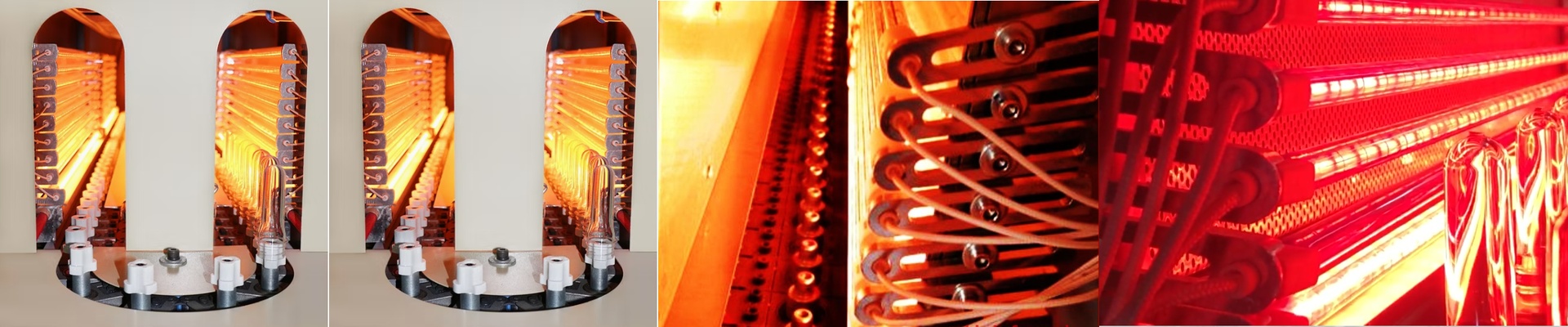
This configuration shines in demanding applications like PET blowing and plastic thermoforming. The shortwave energy penetrates quickly, heating from the inside out for a uniform melt. And because the length and wattage are custom, you can drop it straight into an existing machine bay without a major redesign. It heats up fast, which helps cut cycle times. Now, it does require careful thermal management and electrical infrastructure to support that high-density output. But when your process needs intense, precise heat in a tight footprint, it’s the most direct way to get the job done.