
Stop Overpaying for IR Lamps: Can You Actually Swap Them Out?
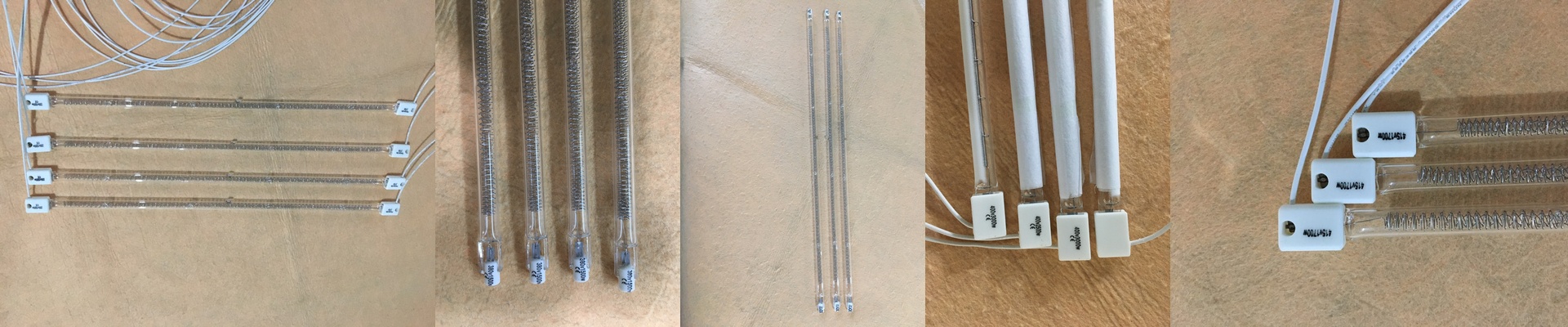
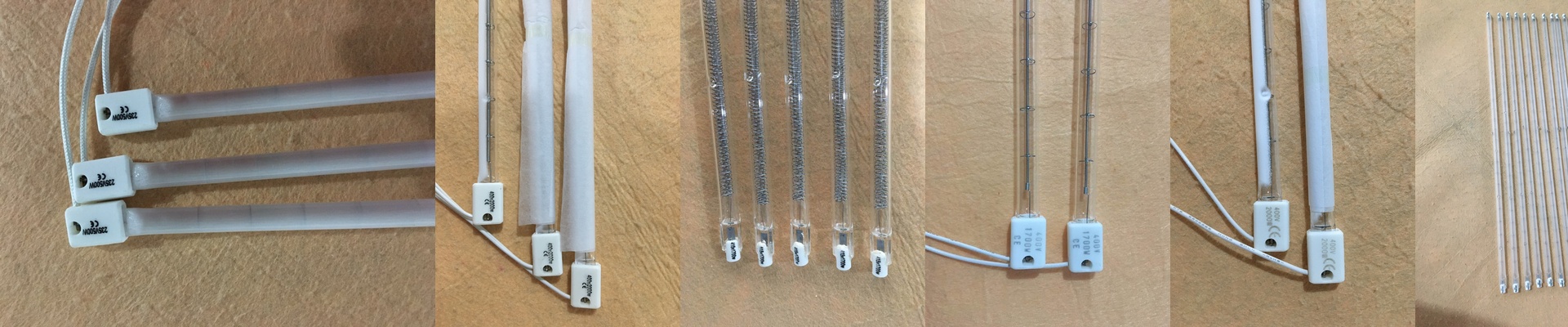
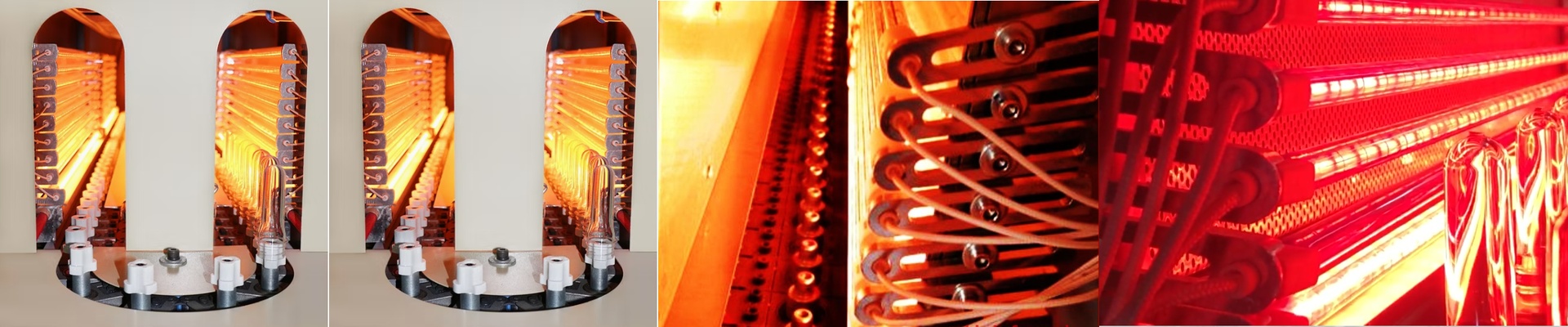
Let’s be honest. Replacement parts for high-end furniture machinery are ridiculously expensive. It feels like a shakedown. Lately, a lot of engineers have been asking me if they can just use domestic infrared (IR) lamps instead of those pricey name-brand imports for curing wood finishes. Can you actually do a “drop-in” replacement without ruining your gear? Short answer: Yes. But you can’t just wing it. You have to get three things right. First, the power. It’s not just about whether the lamp fits in the slot. You’ve got to nail the voltage and wattage. If you slap a 230V lamp into a 110V circuit, you’re going to smell smoke and see it burn out instantly. On the flip side, if you under-power it, your finish stays tacky. There’s nothing worse than pulling a whole batch of rejected pieces because the surface didn’t cure. We obsess over the ohmic resistance. Why? Because we want the lamp to draw the exact amount of current your machine’s transformer is expecting. No surprises. Then there’s the heat. Wood finishing is a delicate balance. You need the heat to soak into the coating without scorching the wood underneath. Most of these big machines use short-wave quartz. We use high-purity quartz glass so the heat stays focused on the finish, not the housing. Here’s a tip: check if your old lamp had a coating. Some do. These coatings shift the light spectrum so the lamp doesn’t absorb certain wavelengths. If you swap a coated lamp for a clear one, your curing speed will change. You’ll just need to slow down your conveyor belt a bit to make up for it. And finally, the fit. The connector—whether it’s an R7s or some weird custom pin—has to be tight. A loose connection is a nightmare. It creates “arc points,” which basically eat away at your socket and cause your power to cut in and out. We build ours to a tight tolerance so they slide right in. No forcing the glass. One last thing: be gentle with the tension springs. If you crank the bracket too tight, the quartz tube can snap as it expands from the heat. Just a snug fit is all you need.