
Making the Jump from Steam to Infrared for Furniture Edge Heating
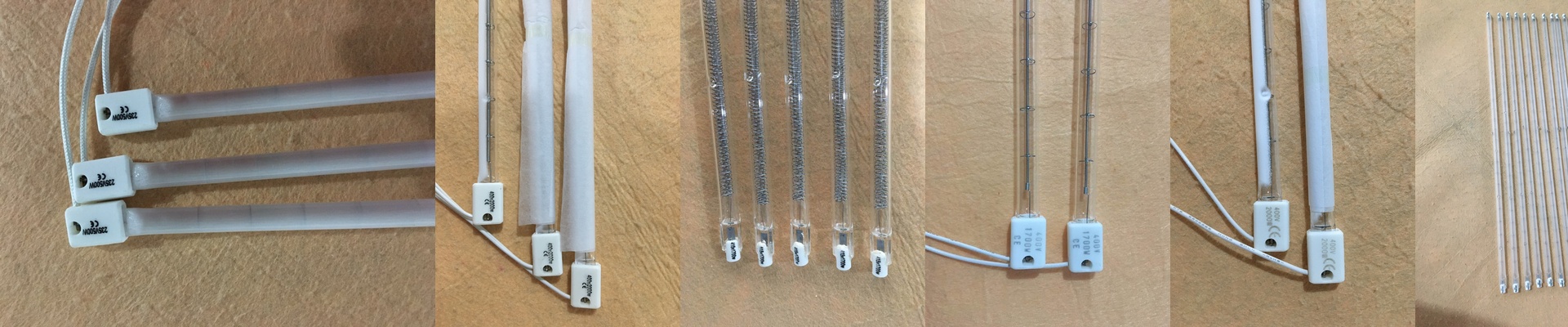
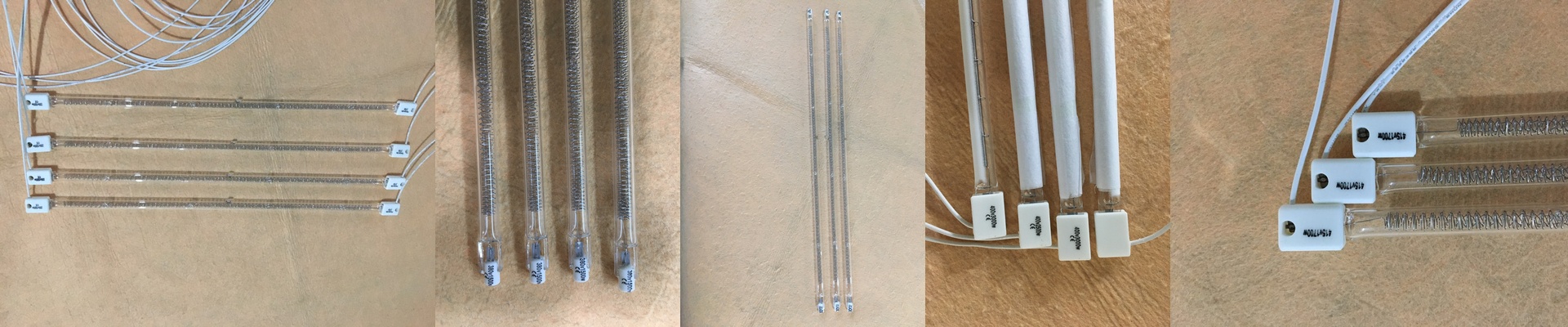
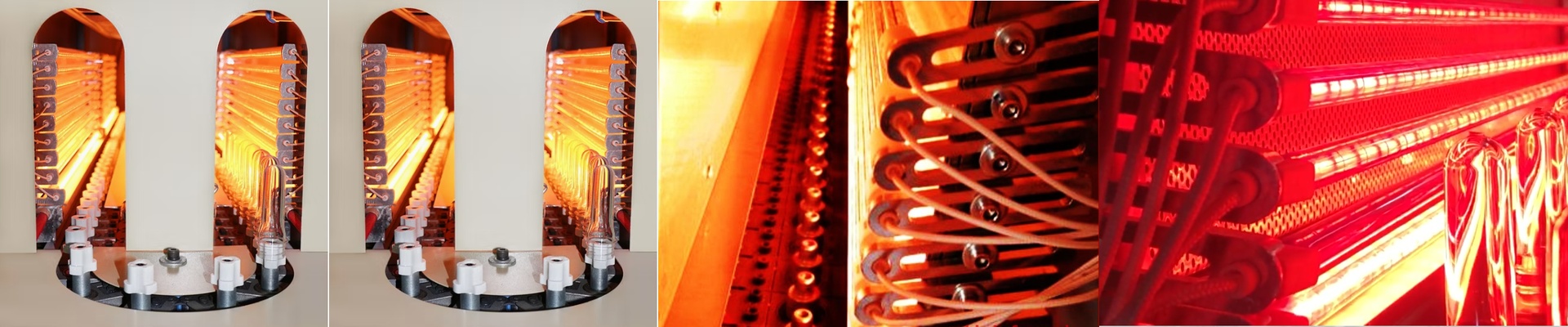
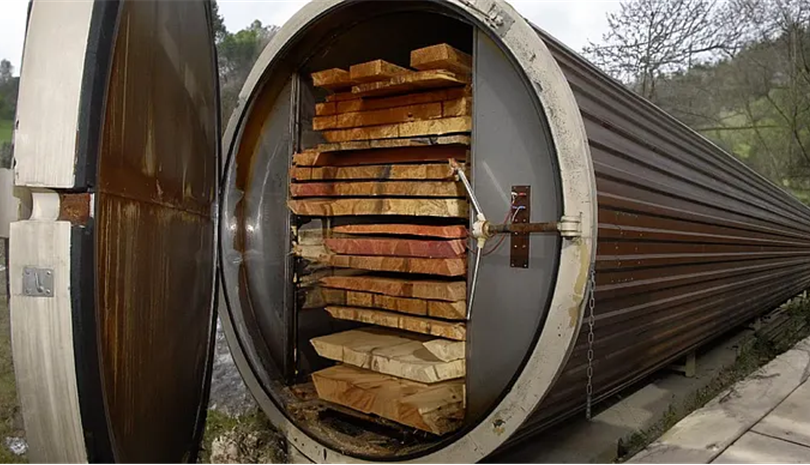
Let’s be honest: steam heating is old school. It’s been the standard for ages, but it’s a headache. Between the constant boiler maintenance and all that heat leaking out of your pipes, you’re basically paying for energy you aren’t even using. Switching to Infrared (IR) for your edge banding and curing just makes more sense. You’re putting the heat exactly where it needs to be—right on the workpiece. The money side of things Here is the real difference. Steam systems are like a furnace that never sleeps; you’re spending money to keep water boiling and pipes hot even when you aren’t running a single piece of wood. IR is different. It’s instant. You flip a switch, it’s hot. You turn it off, the spending stops. If your shop has those annoying gaps in production where the line sits idle, this is where you’ll see the biggest win. You get rid of the bulky boiler and all that messy piping. Most of the time, the energy savings pay for the whole upgrade in about 12 to 18 months. That depends on your local power rates, of course, and how many steam leaks you’ve been ignoring. The technical stuff you actually need to know IR hits different. Instead of relying on hot air or contact, it penetrates the material directly. It’s intense. Because it’s so efficient, the glue cures faster, which means you might not even need as long of a conveyor belt taking up space on your floor. But a word of caution: check your power. These IR arrays pull a lot of current. If you’re plugging these into a line from twenty years ago, your breakers might not like it. You’ll probably want to take a look at your electrical panels to make sure they can handle the peak load before you flip the switch. Keeping it running Steam pipes rust and leak. It’s just what they do. IR lamps don’t leak, but they do eventually burn out. We made our spare lamps as simple “drop-in” replacements. When one goes, you just swap the tube, wire it up, and get back to work. No drama. One thing though: keep them clean. If glue or dust builds up on the quartz glass, it creates a hot spot. That’ll kill the lamp way faster than it should. Just a quick, regular cleaning is all it takes to make them last.