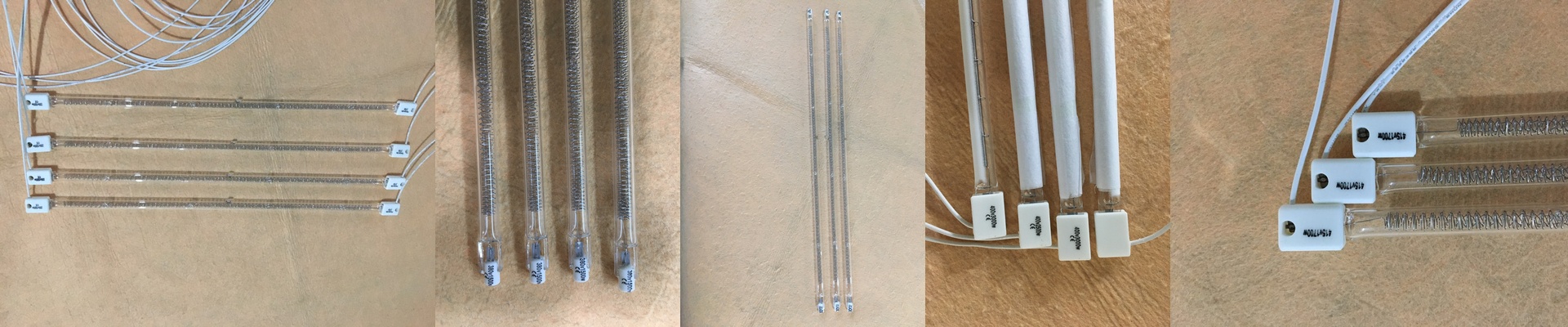
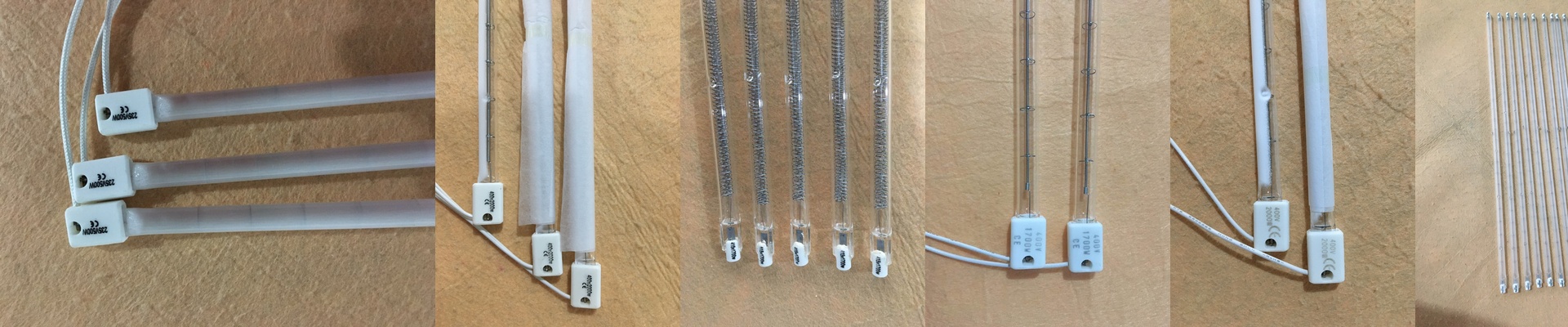

We built this halogen heating pipe for the tight squeezes—the places on industrial machines where you need serious heat, but you simply don’t have room to spread out. These aren’t your run-of-the-mill heaters. They’re purpose-built to pack a ton of heat into a tiny footprint. That means you can swap them straight in for an old, tired system—or spec them cleanly into a brand-new design without fighting for space.
Power, voltage, and size—kept simple
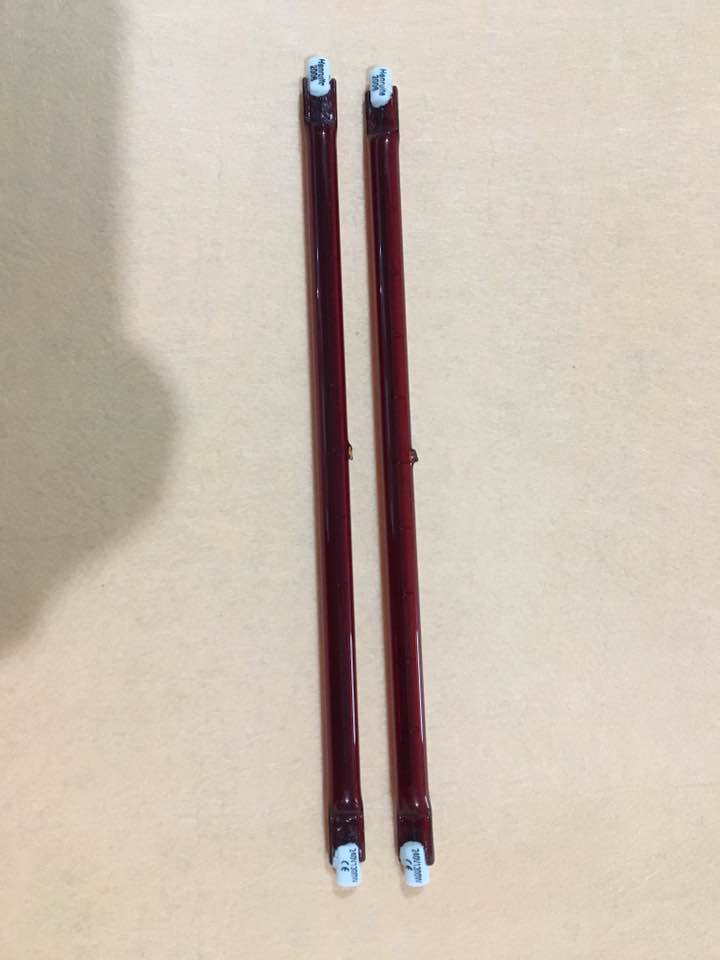
These pipes are made to run on high voltage, usually 400V, so they can deliver high wattage—around 2500W—in a short body. The 300mm length is a go-to in industry because it keeps the heat focused where you need it, without forcing you to rework the whole machine. The science is straightforward: shortwave infrared throws energy fast. So you get a rapid temperature rise from a very small element. That’s exactly why these pipes shine in jobs that need quick, localized heating.
The materials that make it work
The tube is quartz, and there’s a good reason. It handles high temperatures without flinching, and it stays clear so the shortwave output does its job unimpeded. Inside, the halogen cycle keeps the filament stable and helps prevent the tube from blackening over time—so the output stays consistent, shift after shift. And for wiring, the R7s connector is the practical call. It gives you a secure, two-end termination that can handle the current, and it makes the unit easy to wire as a true drop-in replacement.
Where it shines—and the real-world trade-offs
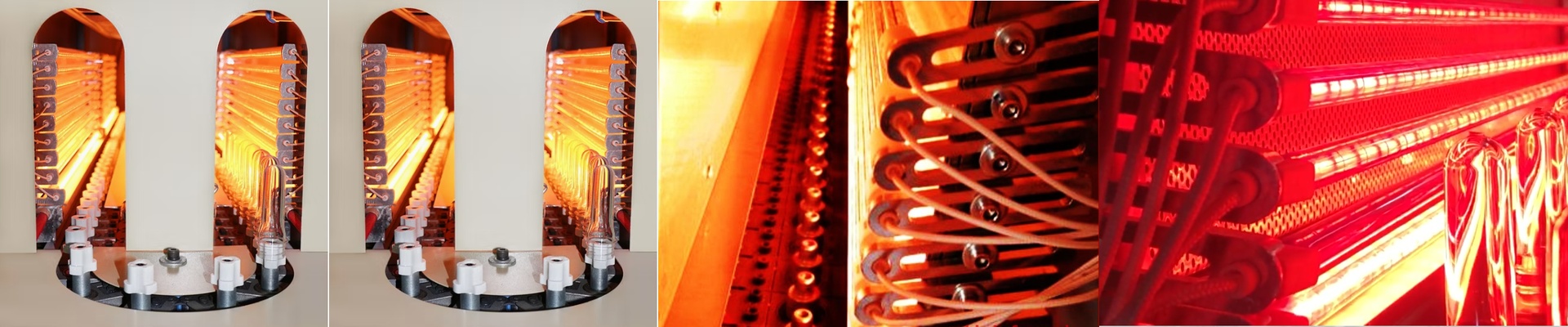
You’ll see these pipes a lot in plastic processing, especially things like PET blowing, where you need fast, focused heat to soften the material—without turning the entire machine into a sauna. The payoff is speed and control. You get intense, directional heat in a small footprint. But here’s the honest part: high heat density means your machine’s cooling and clearance have to be up to the task. If the surrounding components can’t shed heat properly, you can shorten service life. We design these to be tough, but the best results come when the thermal setup matches the job. Match the voltage, length, and wattage to your process, and you get repeatable heating with far fewer headaches and less downtime.