
Stop Fighting Your Old Barns: A Better Way to Keep Piglets Warm
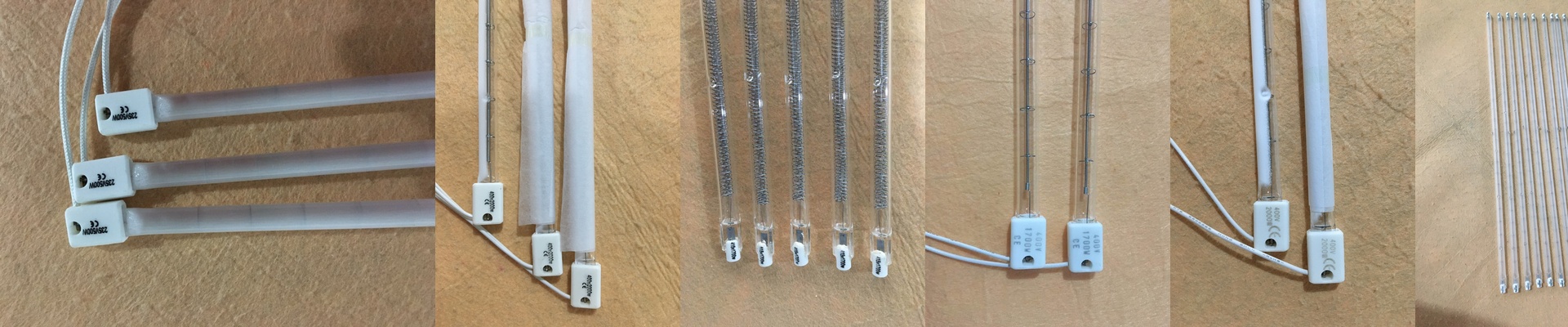
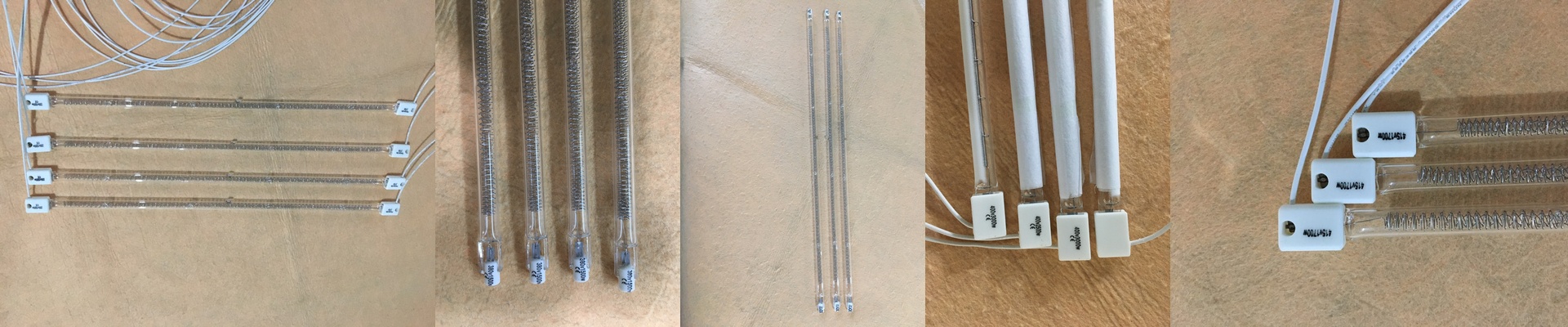
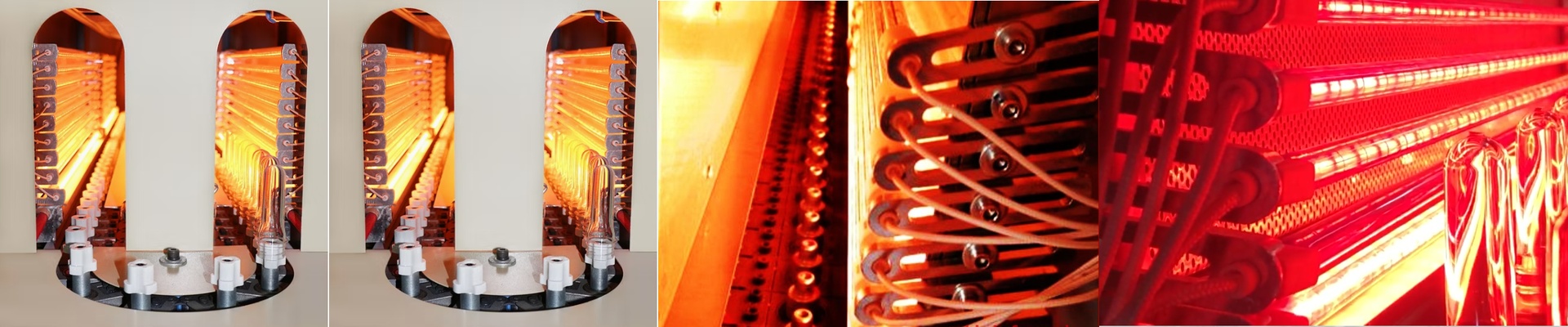
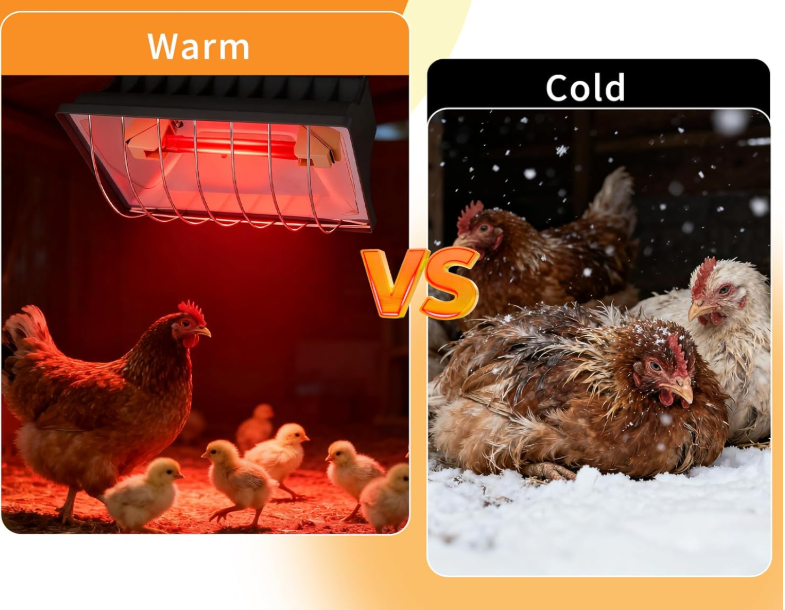
If you’ve got an old livestock house, you know the struggle. You’re fighting a constant battle against drafts, and no matter how much fuel you shove into those ancient boilers, the heat just doesn’t seem to stay where it belongs. Most of the time, you’re just paying to heat the ceiling while your animals are still shivering on the floor. There’s a simpler way to handle this. Instead of trying to force a broken system to work harder, just swap out the heat source for high-output OEM infrared lamps. Why this actually works Think about it like the sun. You don’t feel the air around you getting warm before you feel the sun on your skin; you feel the heat instantly. That’s radiation. Our lamps work the same way. Instead of trying to warm up every cubic inch of a drafty room, the heat goes straight into the piglets and their bedding. We’ve tuned these lamps to a specific wavelength that biological tissue just absorbs naturally. It’s way more efficient because you aren’t wasting energy on the wind blowing through the cracks in your walls. The gear you need We build our tubes with high-purity quartz and halogen gas. Why? Because it lets us crank up the filament temperature without the bulb burning out on you. The best part is the speed. It’s almost instant. When you’re moving piglets into a new pen, you don’t have time to wait an hour for a room to warm up. You need it hot now. We make these in a bunch of different lengths and wattages so they actually fit into your existing fixtures. Just a heads-up: double-check your voltage. Whether you’re running 220V or 380V, it changes how much current you’re pulling. You don’t want to be the person tripping the breakers right in the middle of a cold snap. A few things to watch out for Now, swapping bulbs is a quick win, but it isn’t a magic wand. Infrared creates intense “hot zones.” If you hang the lamps too low, you’re going to scorch your animals. Too high? The heat vanishes before it ever hits the floor. It takes a little bit of tweaking to find that sweet spot between the lamp height and the wattage. Once you nail it, you’ll have a steady, comfortable warmth across the whole pen, and your fuel bill will actually start to make sense.