
Stop Overpaying for “Just-in-Case” Heaters
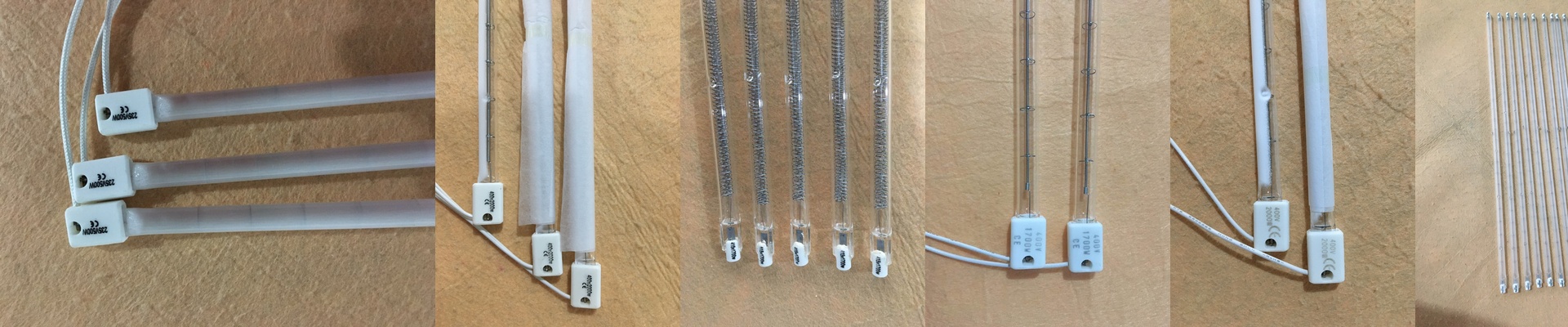
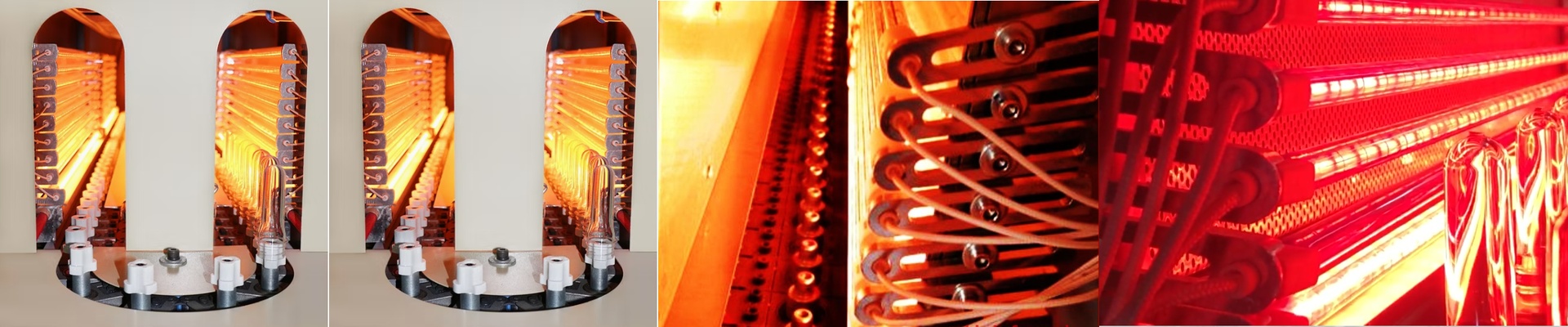
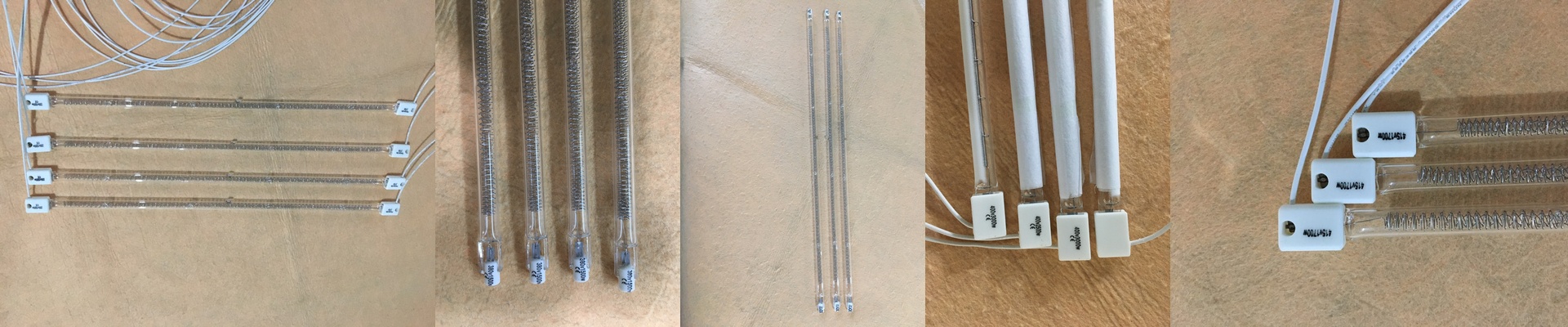
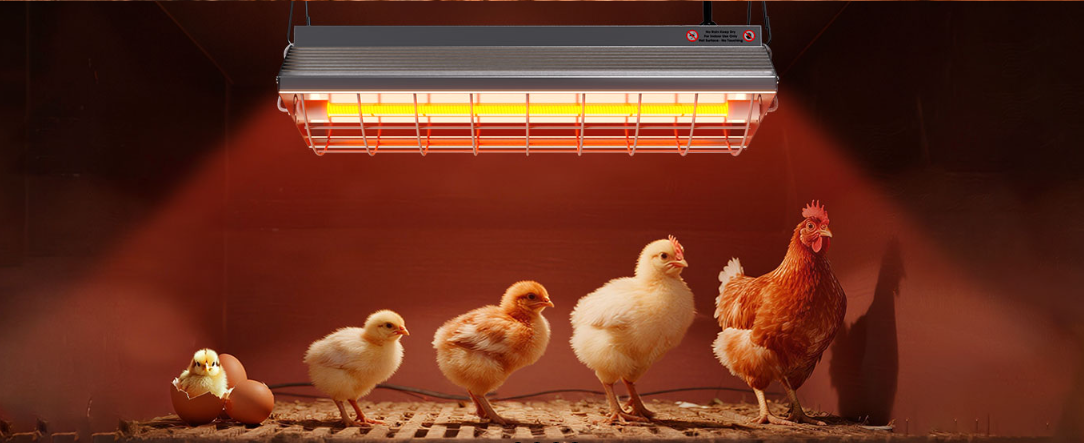
Most engineers look at the unit price of an infrared heater and call it a day. But that’s only half the story. The real killers are the hidden costs: the endless waiting for shipping and the stress of keeping a mountain of spare parts in the back room. If you’re importing high-output lamps from Europe, you’re probably used to waiting weeks for a delivery. In a drafty barn during a brutal cold snap, a burnt-out heating element isn’t just a chore on a to-do list. It’s a crisis for your livestock. Here is the thing about local stock. When we keep these lamps in warehouses right here, your whole operation changes. You can stop panic-buying ten extra lamps just because you’re scared of a shipping delay. That means less cash tied up in boxes gathering dust on a shelf. You can finally buy what you actually need, not what you’re afraid of running out of. Now, let’s talk gear. Short-wave infrared is great because it hits the target instantly. It doesn’t waste time trying to warm up the air in a giant, breezy barn—it just delivers heat. But there’s a catch. These high-wattage lamps pull a lot of power. I’ve seen too many setups crash because the breakers weren’t ready for the initial surge. If you’re wiring up a big array, double-check your panels. You don’t want the lights to go out the second you flip the switch. And while a shorter supply chain doesn’t change the physics of the lamp, it definitely changes your stress levels. Less time in a shipping container means fewer quartz tubes arriving shattered. Plus, our replacements match those European specs exactly. You get the same heat and the same wavelength, but you don’t have to wait 30 days to get it. It’s a lot simpler. You keep a lean inventory, your animals stay warm, and you can actually sleep at night knowing a single broken tube won’t freeze your facility.