
Can a few new heaters actually wake up your old blow molding machine?
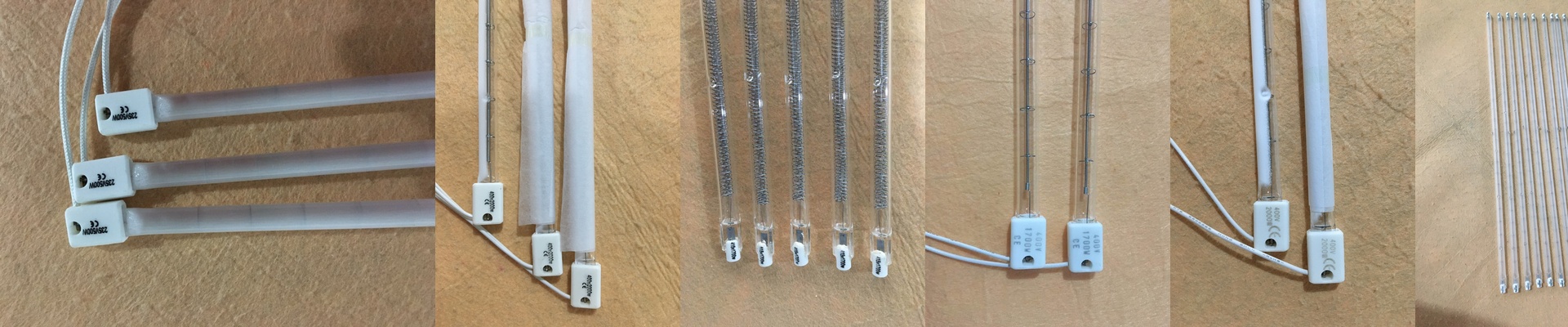
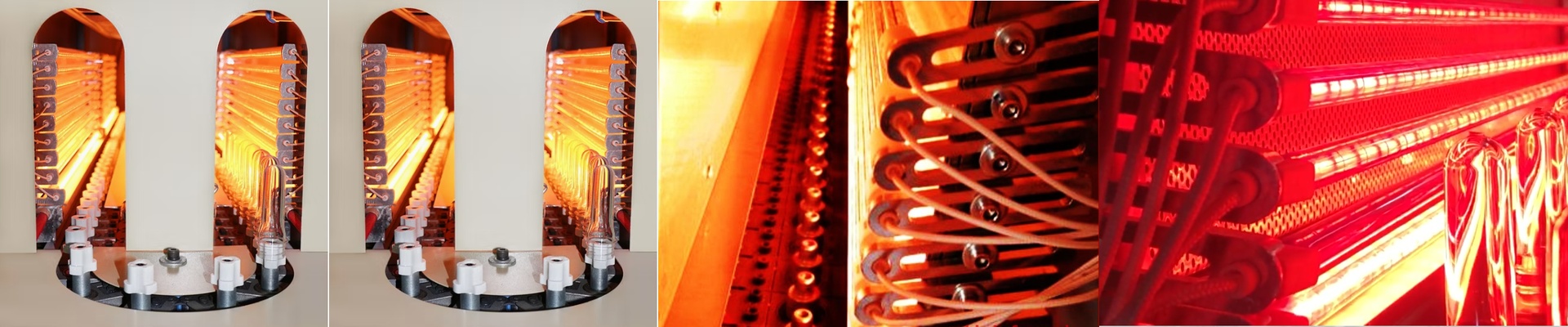
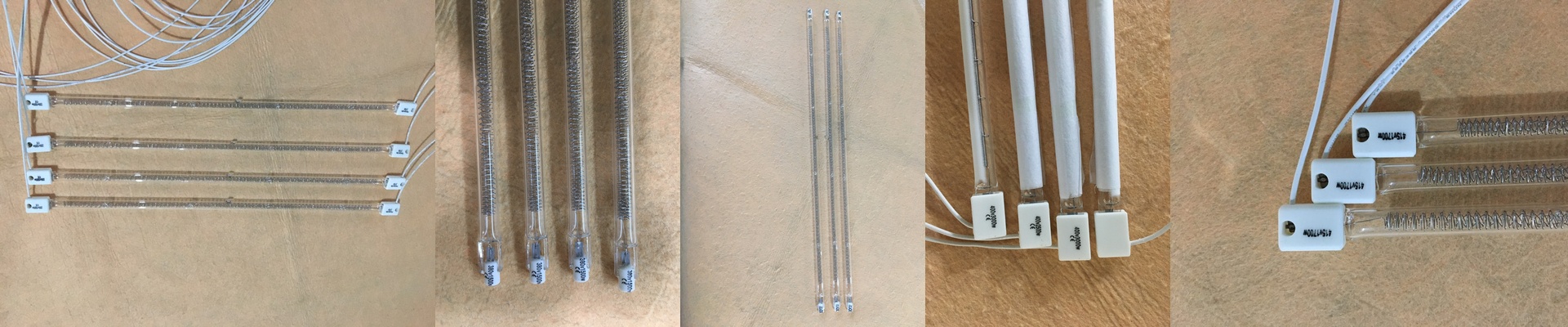
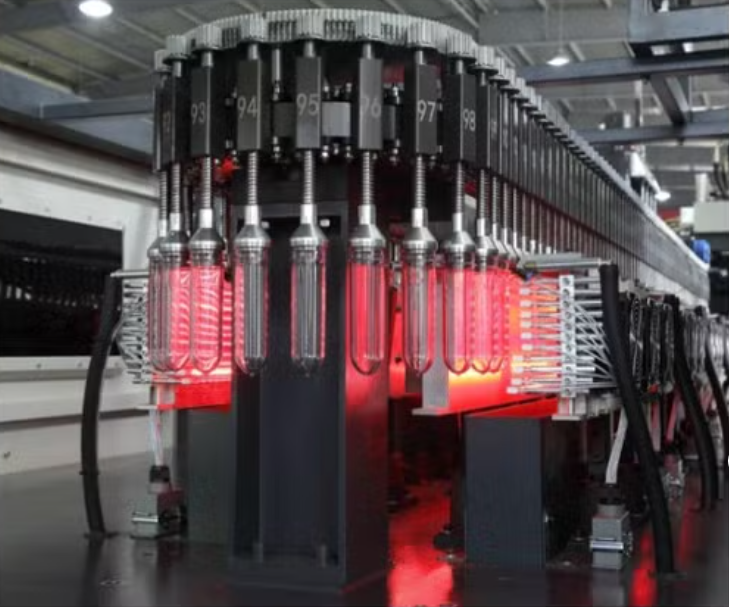
If you’re running a small or mid-sized operation, you know the struggle. You want more bottles coming off the line every hour, but your old machine just isn’t keeping up. Most people think the mechanical parts are the problem. But usually? It’s the oven. If your preforms aren’t getting hot enough, fast enough, you’re forced to slow down the whole carousel just to make sure the plastic is ready. It’s frustrating. You’re basically babysitting a machine that could be doing more. The quickest fix is usually just swapping out those tired, dim lamps for high-density infrared elements. Let’s talk about the heat. To get more bottles per hour, you need more punch. We’re talking about moving away from standard quartz and stepping up to high-voltage halogen or coated infrared tubes. When you jump from a 220V setup to a 400V 2500W configuration, the difference is night and day. The PET preform hits that “sweet spot” temperature way faster. That means you can finally crank up the machine speed without worrying about cold spots or those annoying thin walls that make a bottle fail. Getting them in there You don’t need to rip out your entire electrical system to make this work. We design these as drop-in replacements. Most of our tubes use R7s or Sk15 connectors, so they just slide right into your existing sockets. Plus, we often coat the quartz glass. This is the clever part—it stops the heat from just warming up the air in the room and forces it deep into the plastic where it actually belongs. One thing to watch out for… More heat is great, but it comes with a catch. When you put in higher-wattage lamps, the inside of your oven is going to get a lot hotter. If your cooling fans are caked in dust or just too weak, you might overheat the machine frame. Or worse, you’ll get “pearling” on your preforms. Before you swap the lamps, take a second to check your airflow. Make sure everything is breathing. If your current lamps are flickering or looking dim, you’re basically throwing money away every time the machine cycles. Swapping the elements is a cheap way to get a serious production bump without having to drop a fortune on a brand-new machine.