
Stop Letting Your Infrared Lamps Eat Your Profits
If you’re running a production line with dozens of infrared lamps, you already know the real headache. It isn’t the electric bill. It’s the downtime. There is nothing worse than having to kill the whole line just because one bulb decided to quit. It’s frustrating, it’s slow, and it costs you money every single minute the belt isn’t moving. We built our lamps to fix that. By doubling the service life without losing any heat, we basically just cut your maintenance chores in half.
The a-ha moment with heat density
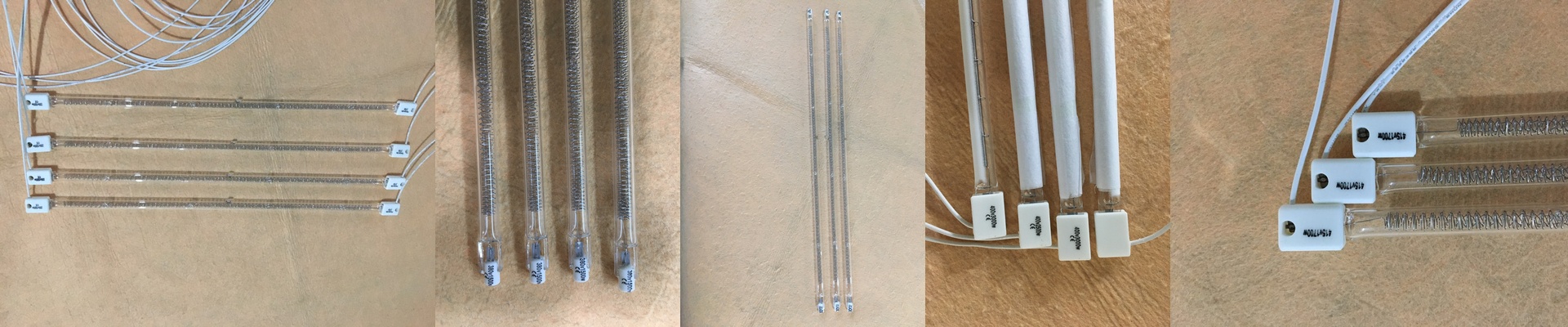
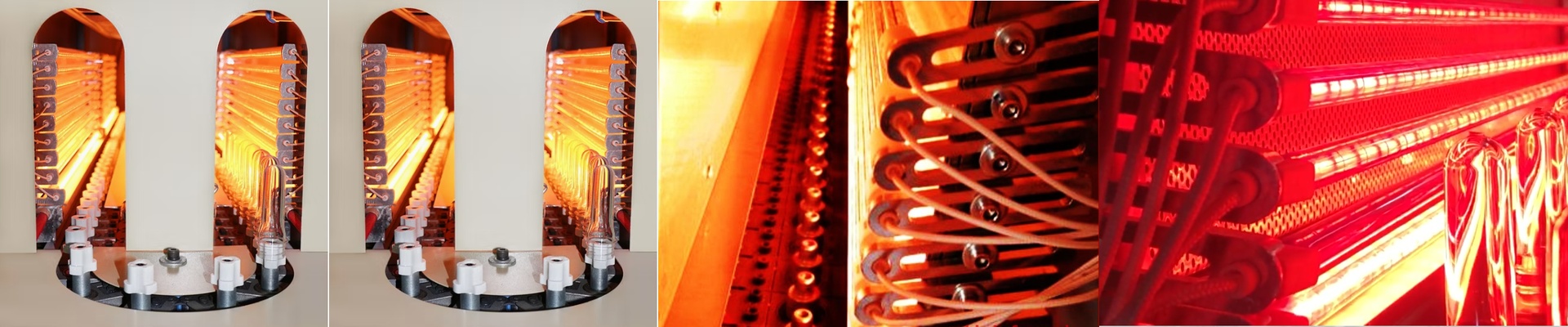
Here is the thing about heat: when you cram high wattage into a tiny space, things get intense. You need that punch for PET blowing or curing lines to get things moving fast. But that kind of intensity puts a massive amount of stress on the quartz. Most bulbs bow or the filaments just snap. To stop that, we use heavy-wall quartz. It’s tougher. It lasts. But a word of advice—if you’re pushing a 2500W tube, please check your airflow. If your cooling system can’t keep up with the ambient heat, you’re going to fry your sockets. Trust me, you don’t want to deal with that.
No fancy tricks, just stuff that works
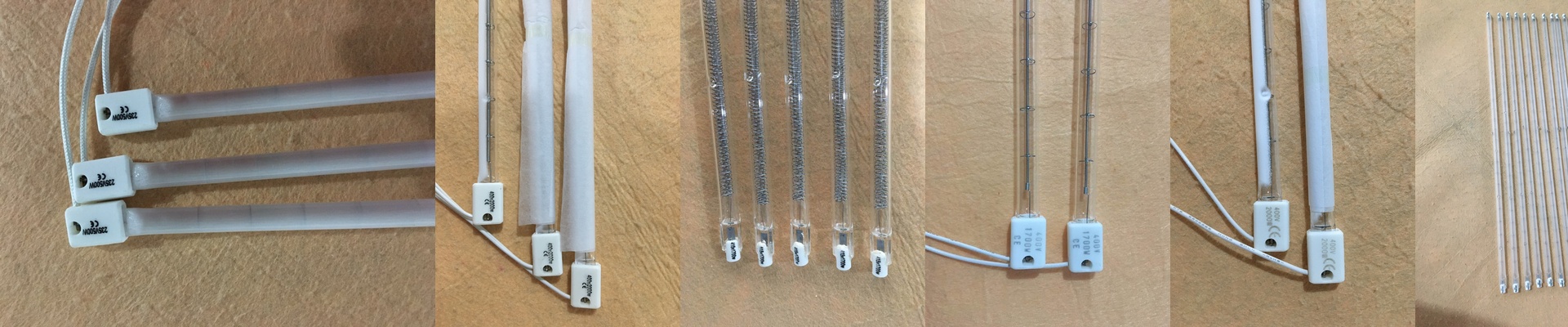
We use halogen gas filling. Why? Because it stops the filament from evaporating too quickly. This means your heat stays steady for thousands of hours instead of dipping off after a few weeks. And we didn’t try to reinvent the wheel with the connections. We stick to the standards you already use, like R7s and SK15. They are simple drop-in replacements. You can just pop them in and get back to work. No rewiring your racks, no buying new housings, and no swearing at a manual for three hours.
Making the math work for you
Buying in bulk isn’t just about getting a cheaper price per bulb. It’s about making your life easier. When every single lamp in your facility is identical, your spare parts bin becomes a lot simpler. You stop guessing which wattage goes in which slot. Plus, we keep our tolerances tight across every batch. You won’t see those annoying temperature swings from one end of the conveyor to the other. That means fewer rejected parts and way less time spent fiddling with PID controllers. It just works.