

Stop Overpaying for Your Infrared Heating
Here is something most engineers miss: importing infrared heating elements from Europe costs way more than what’s on the invoice. Sure, the unit price might look okay. But when you’re waiting weeks for a shipment to clear customs, you’re paying a “hidden tax.” You’re tying up your cash in massive safety stocks just to sleep at night, and you’re gambling with your production line. If one lamp pops and you don’t have a spare? Everything stops. Switching to local stock for your heavy-duty lambing lamps just kills that stress.
How the Heat Actually Works
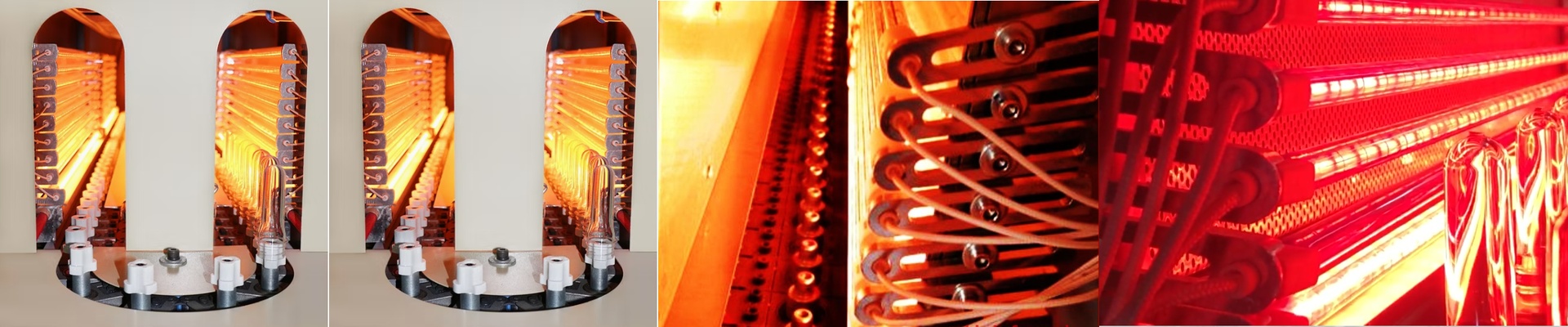
These lamps use shortwave infrared. Instead of trying to warm up all the air in the room—which is a waste of energy—this heat goes straight into the target. We design them to pack a ton of heat into a tiny space. It means you can keep livestock warm or dry industrial parts without needing a wall of heaters taking up half your floor space. It’s efficient. It’s focused. And it works.
The Nitty-Gritty on Hardware
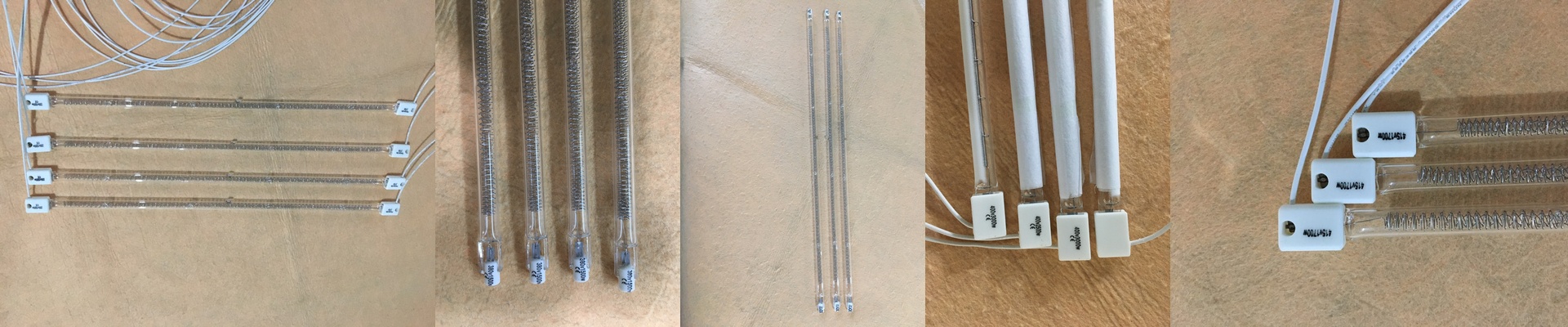
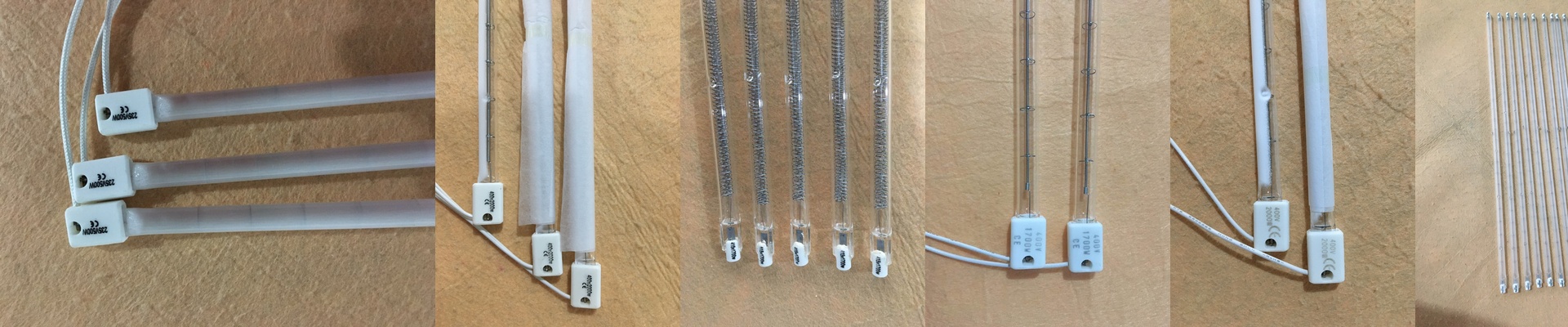
We use quartz glass and halogen gas to keep these things running longer. The halogen cycle is a neat trick—it stops tungsten from gunking up the inside of the tube, so the light stays clear and the heat stays strong. Most of these use R7s or similar snap-in connectors. I love these because they make replacements a breeze. You just pop the old one out and snap the new one in. No fuss. One heads-up, though: these lamps put a lot of pressure on your reflectors. If they’re dirty or pitted, you’re basically throwing heat away. Keep them clean, or you’re wasting money.
The Trade-offs
High-wattage lamps give you instant heat, but they can be picky about power. A sudden voltage spike can snap a filament in a heartbeat. To avoid that headache, I always suggest wiring them into a circuit with decent surge protection. Your electrical panels need to be ready for that initial punch of current when they kick on. But that’s the trade-off. You get the heat you need immediately, and because the stock is local, you can replace a dead lamp in 24 hours instead of praying for a shipment to arrive in three weeks.