
A Real-World Look at Red Halogen Heat Lamps
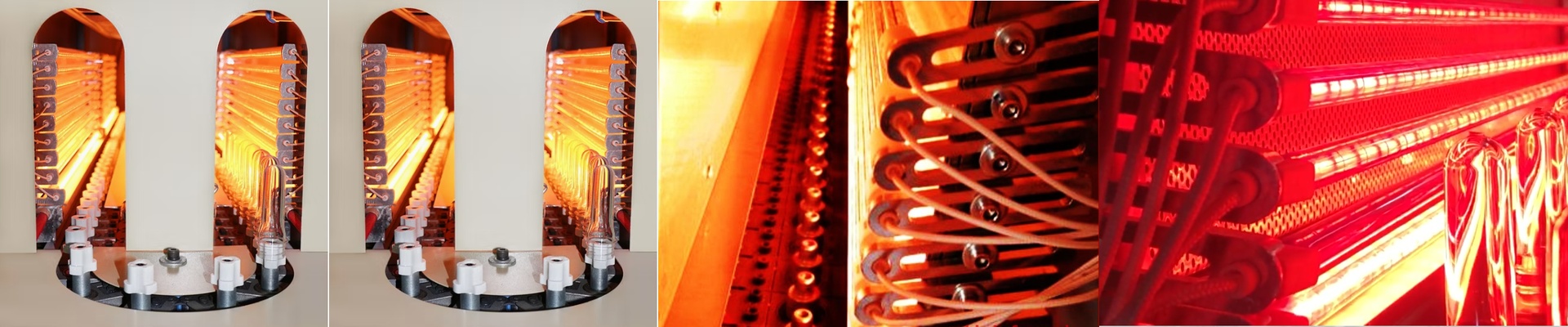
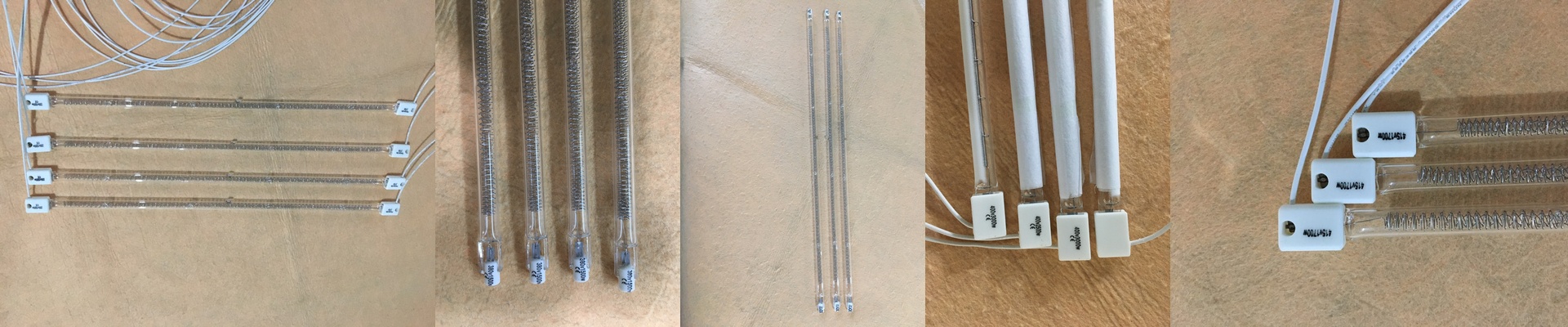
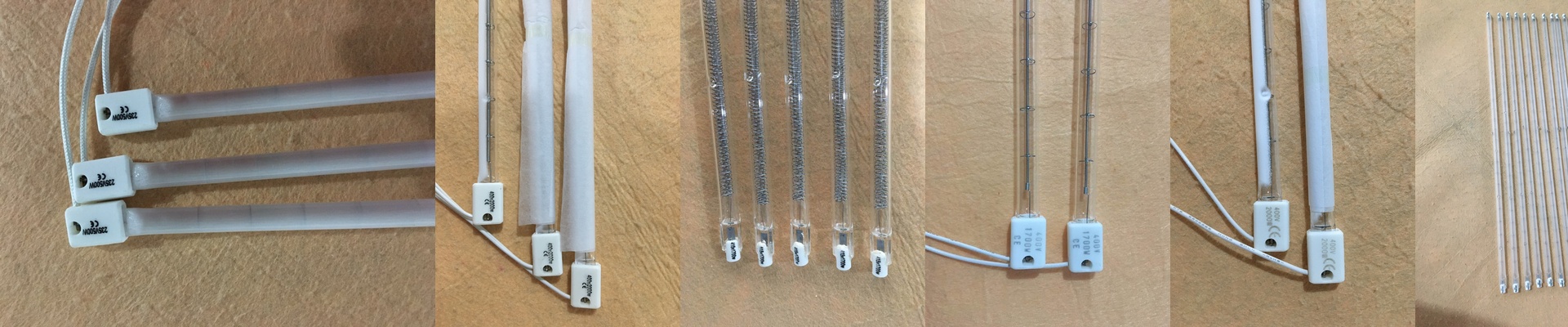
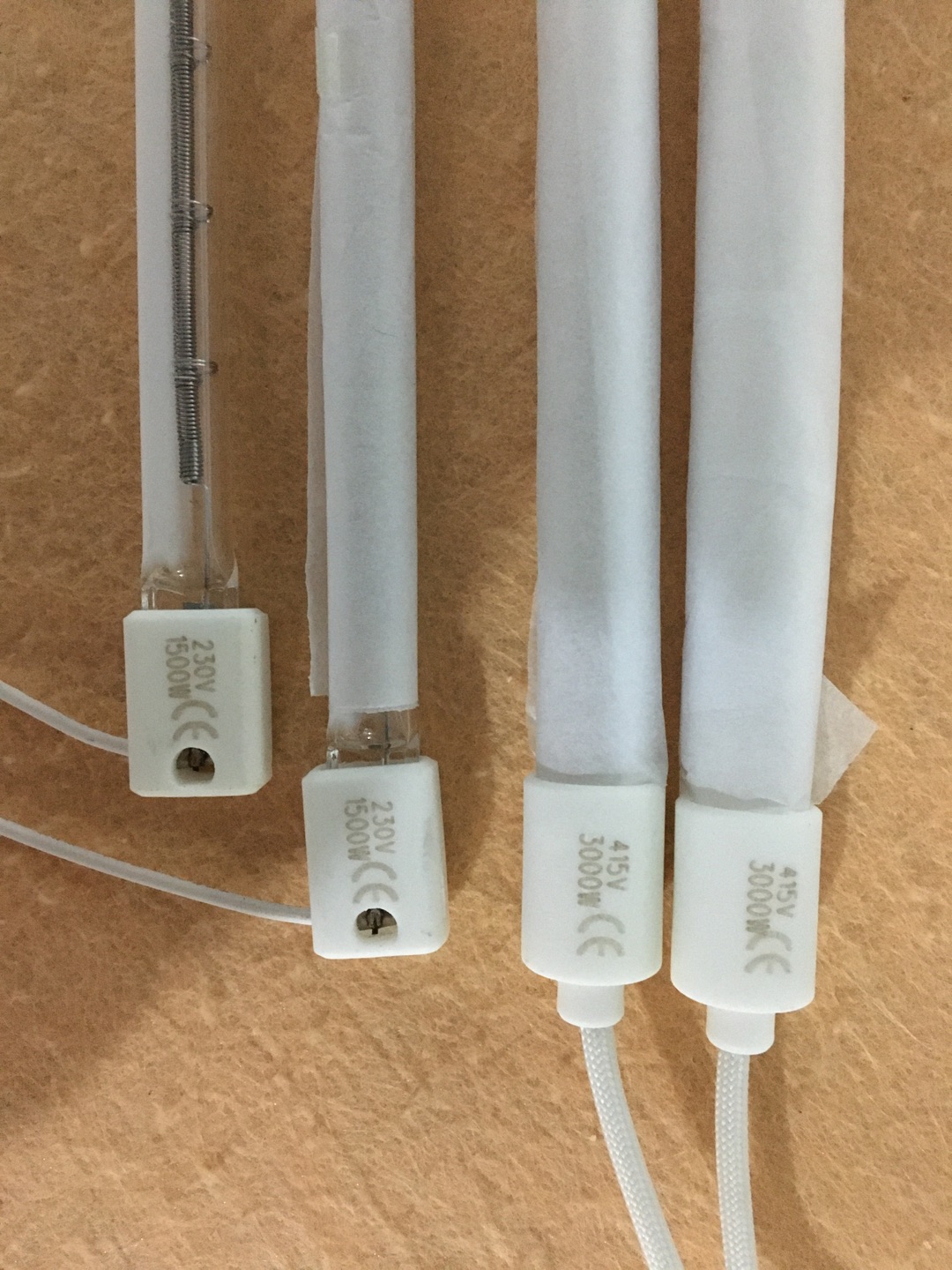
Let’s talk about red halogen lamps. If you’ve ever seen them in a factory, you know they’re basically high-intensity heat machines. Inside that quartz tube, there’s a tungsten filament and a halogen gas cycle. The gas is the secret sauce—it stops the filament from evaporating too quickly, so the lamp lasts longer and doesn’t lose its punch after a few weeks of use. Getting the power right These things are built for speed. They hit their operating temperature in seconds. But here’s the thing: if you go for a high voltage-to-length ratio, you’re cranking up the heat density. Just make sure your wiring and power supply can actually handle that initial surge. If you’re hooking up a whole bank of these, keep a close eye on your load balancing. You don’t want to be the person who accidentally fries all the tubes at the end of the line. Why the red color? It’s not just to make the machine look cool. That red coating is actually a filter. It tweaks the light waves to make sure the heat hits your material exactly how it needs to. Plus, it saves your eyes. Without it, the glare would be blinding for anyone working nearby. You’ll usually see R7s or Sk15 connectors on these. They’re snug. That’s important because when a machine starts vibrating, you don’t want the lamp shifting around. A shifted lamp means hot spots, and hot spots mean ruined products. Where they actually work (and where they fail) You’ll see these everywhere in PET bottle blowing or plastic shrink tunnels. The heat sinks into the material fast, which gives you a nice, even melt. But there’s a catch. These tubes getinsanelyhot. If your cooling fans quit or your reflectors get dusty, the quartz envelope can overheat and just… crack. It’s a mess. Keep those reflectors polished. It keeps the system efficient and stops your housing from getting baked by reflected heat.