
Introduction
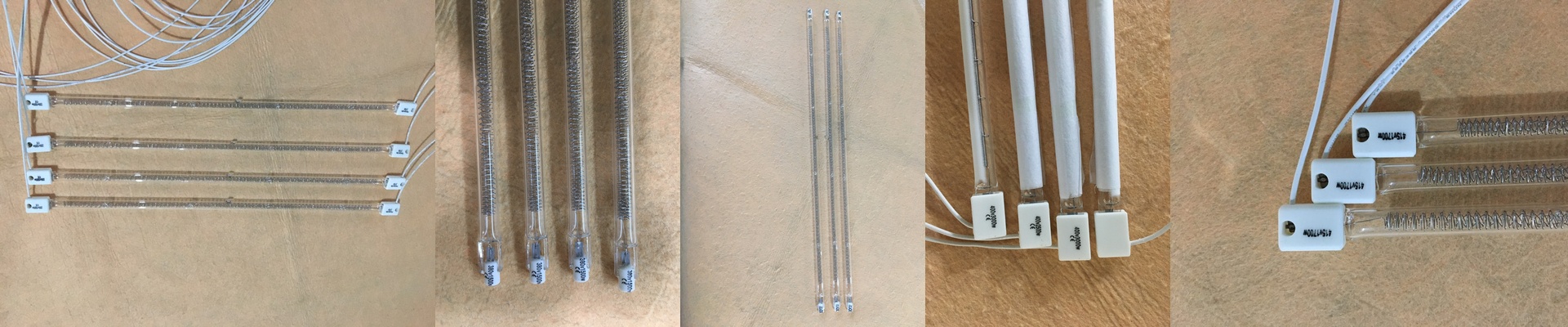
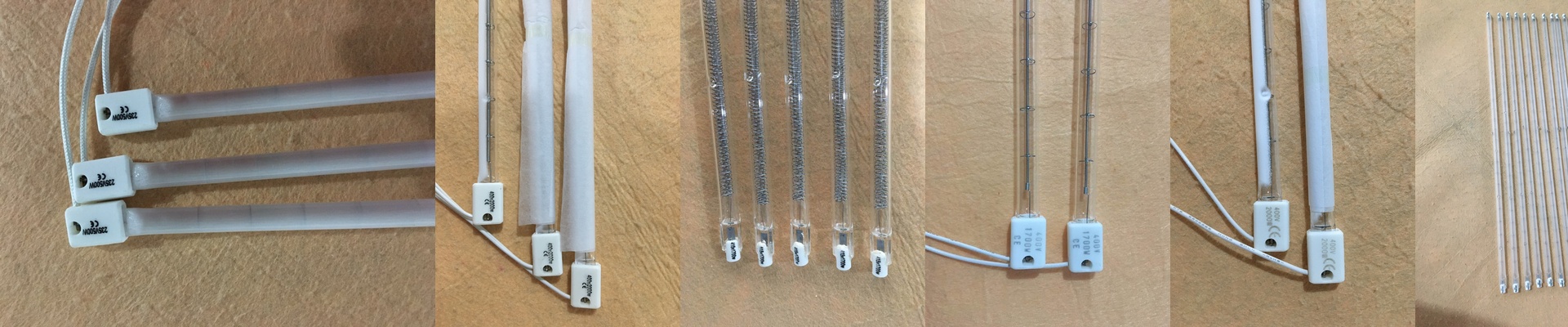
We built these 2000W quartz tungsten halogen heat lamps for real-world industrial heating—the kind where speed and focused infrared power actually matter. They pack a ton of heat into a small package, which makes them perfect when you need spot heating, thermoforming, or a tight fit inside a machine. Space is tight, and you need temperature control that kicks in the second you hit “go.”
Power, Voltage, and Size—What It Means on the Floor
A 2000W rating isn’t just a number. It’s serious heat, delivered in a compact form. The lamp is designed to put that power into a small envelope, usually a short tube that keeps the focal distance tight. That short distance concentrates the energy, so parts heat up fast. Voltage is chosen to match your setup and what’s available in the plant. If you can run a higher voltage—like 400V—you get the same power with less current. Less current means smaller wiring, less voltage drop, and less heat building up at the terminals and socket.
What’s Inside—and Why It Stays Strong
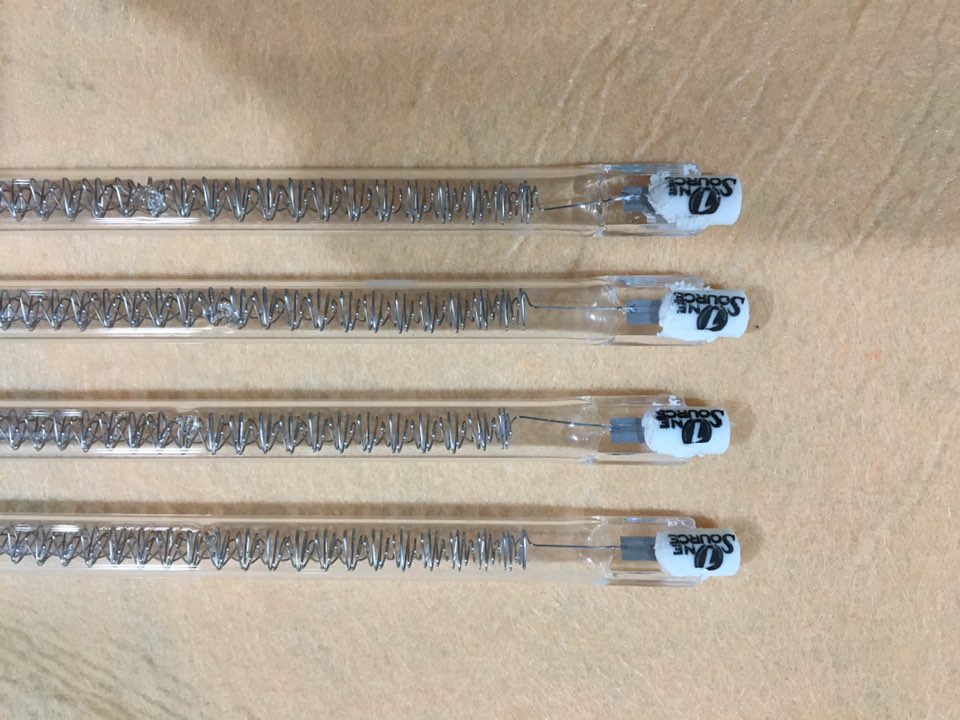
The quartz envelope can handle extreme temperatures and lets infrared light pass through cleanly. Inside, the tungsten filament runs hot, and the halogen cycle does its job by sending evaporated tungsten back to the filament. That’s the secret to stable output over time and a longer life than you’d get from a standard incandescent. And the R7s double-ended connector? Practical choice. It keeps alignment straightforward, makes mounting simple, and gives you solid contact when you’re carrying high current. The internal gas fill and compact shape are tuned to keep the filament stable even when shock and vibration are part of the day.
Where It Shines—and What to Keep in Mind
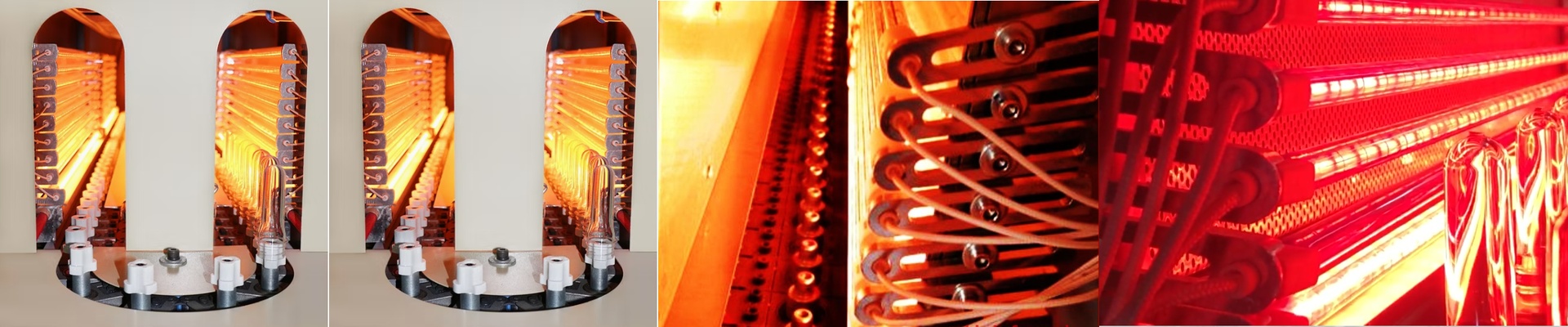
Out in the field, these lamps are all about fast, localized heating: plastic forming, adhesive curing, component testing. The response is almost instant, so you can keep the heat cycle tight and repeatable. Mechanically, it’s clean and simple. But here’s the trade-off: packing 2000W into a short tube creates intense heat density, so the surrounding hardware has to be rated for high temperatures. Plan for proper shielding, make sure airflow is adequate, and use a socket and wiring that can handle continuous high current. Spec it right, and you get heat you can count on—without the long warm-up wait.