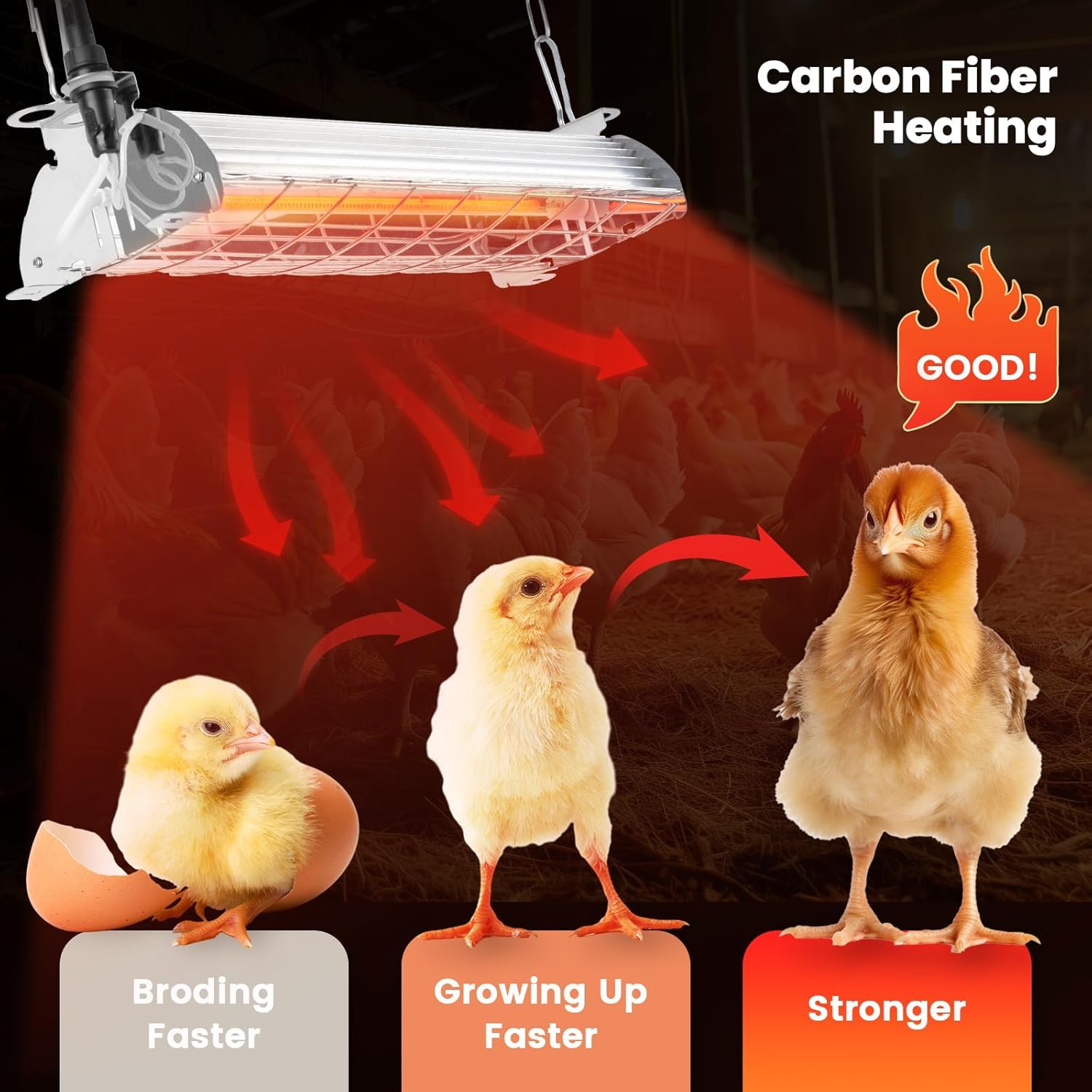
Let’s Talk About Heating Your Ducklings Without the Markup
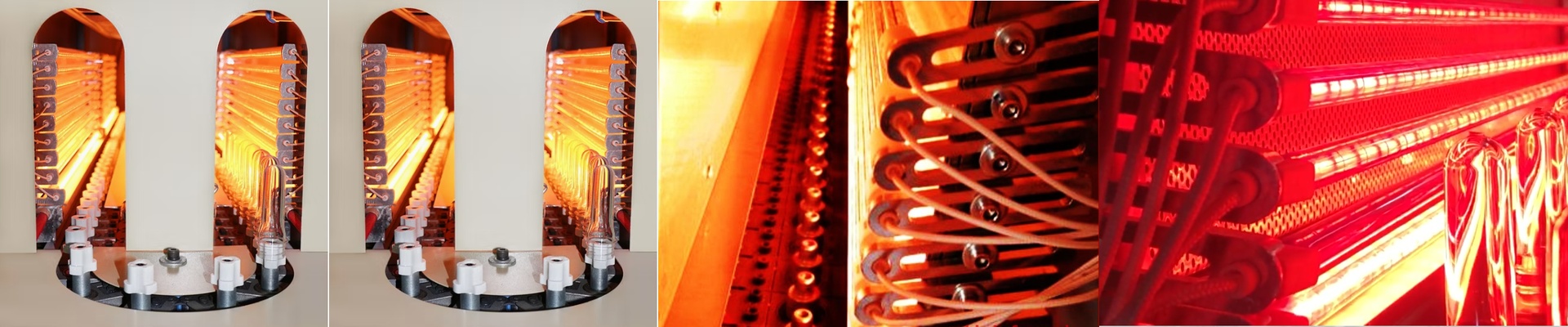
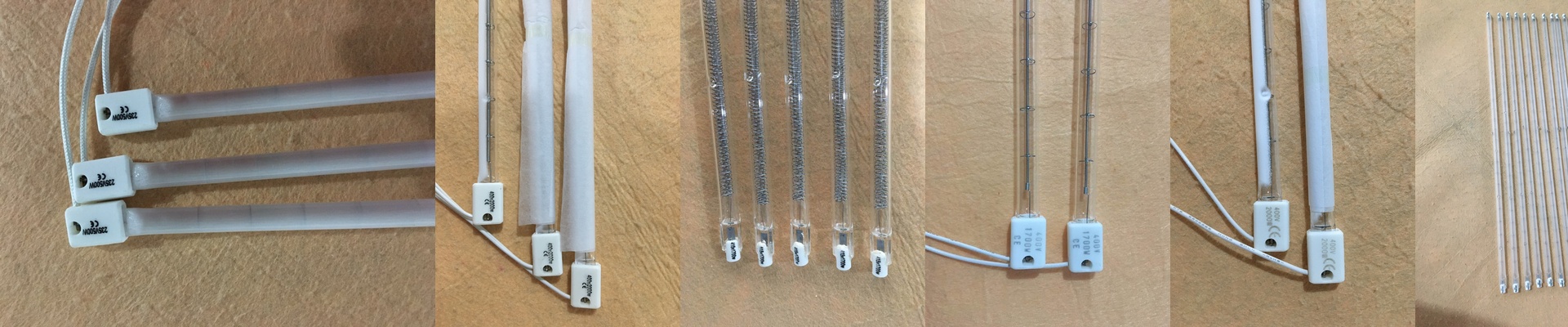
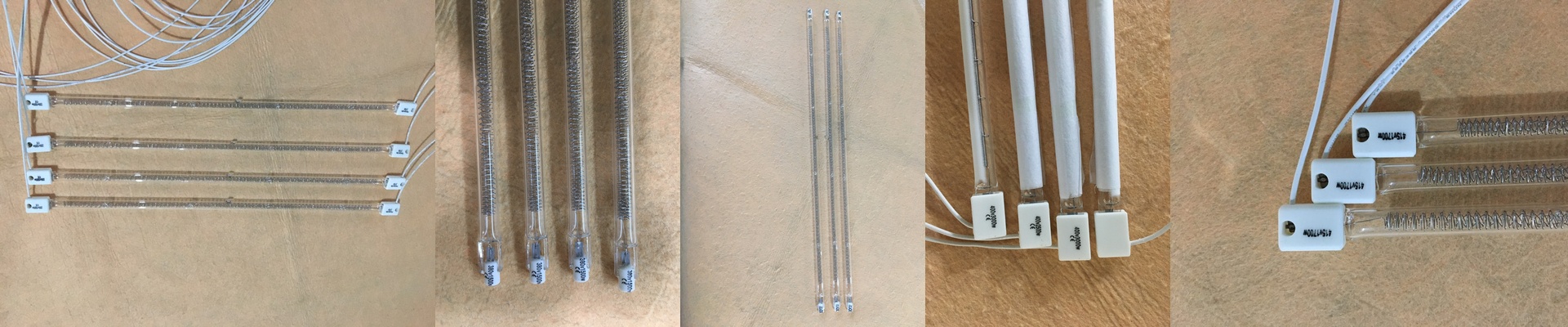
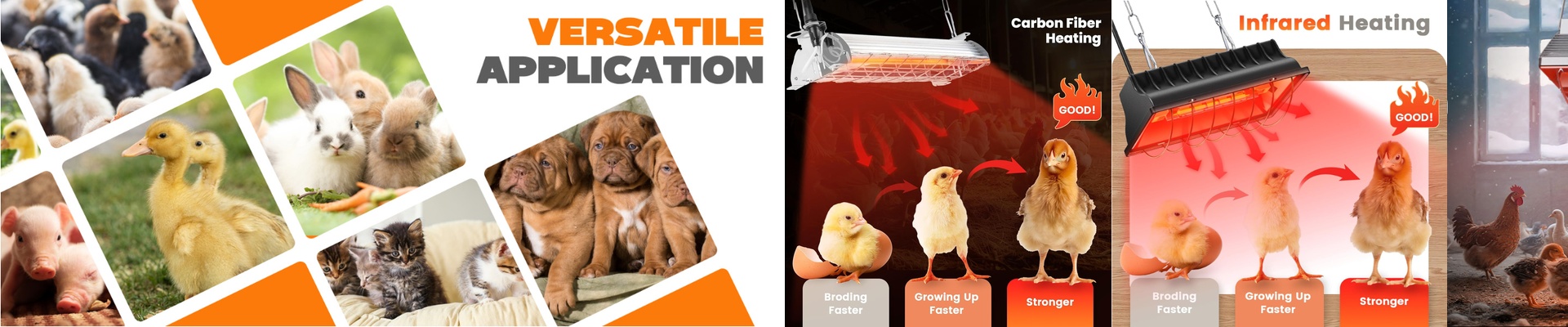
Most of the “premium” prices you see in agricultural heating aren’t actually paying for better gear—they’re paying for a fancy logo and a marketing budget. We don’t do that. We just stick to the physics. When you’re brooding ducklings, you need heat that actually gets deep into their down without scorching the surface. That’s where shortwave infrared comes in. The Power Stuff We build our IR lamps to hit a very specific sweet spot between wattage and length. We use quartz halogen tubes because they run hot, which pushes the heat into that shortwave spectrum. The result? They heat up fast. Like, really fast. We also make sure they play nice with standard commercial voltages. There’s nothing worse than a power flicker frying your equipment. Plus, because these pack a lot of heat into a small space, you can spread your fixtures further apart. That means fewer sockets to wire and less clutter in your ceiling. The Build We use high-purity quartz glass. Why? Because standard glass cracks when you turn it on and off quickly. Quartz handles that thermal shock without breaking a sweat. Depending on your setup, we can add coatings that tune the wavelength. This keeps the heat from soaking into your walls or enclosure and sends it straight down to the birds. And here is the best part: we use standard R7s or Sk15 connectors. You can just pop them into most industrial fixtures. No weird adapters, no “special” locking clips, and no proprietary nonsense. Just plug and play. The Real Talk Look, these lamps put out a massive amount of heat. It’s perfect for keeping ducklings cozy in a freezing warehouse, but there’s a catch. The quartz gets incredibly hot. If dust or bedding material builds up on the glass, it creates a hot spot. If that happens, the tube will crack. It’s a simple trade-off. We give you the raw power and the performance, but you’ve got to keep the tubes clean and the air moving. Keep them dust-free, and they’ll last you a long time.