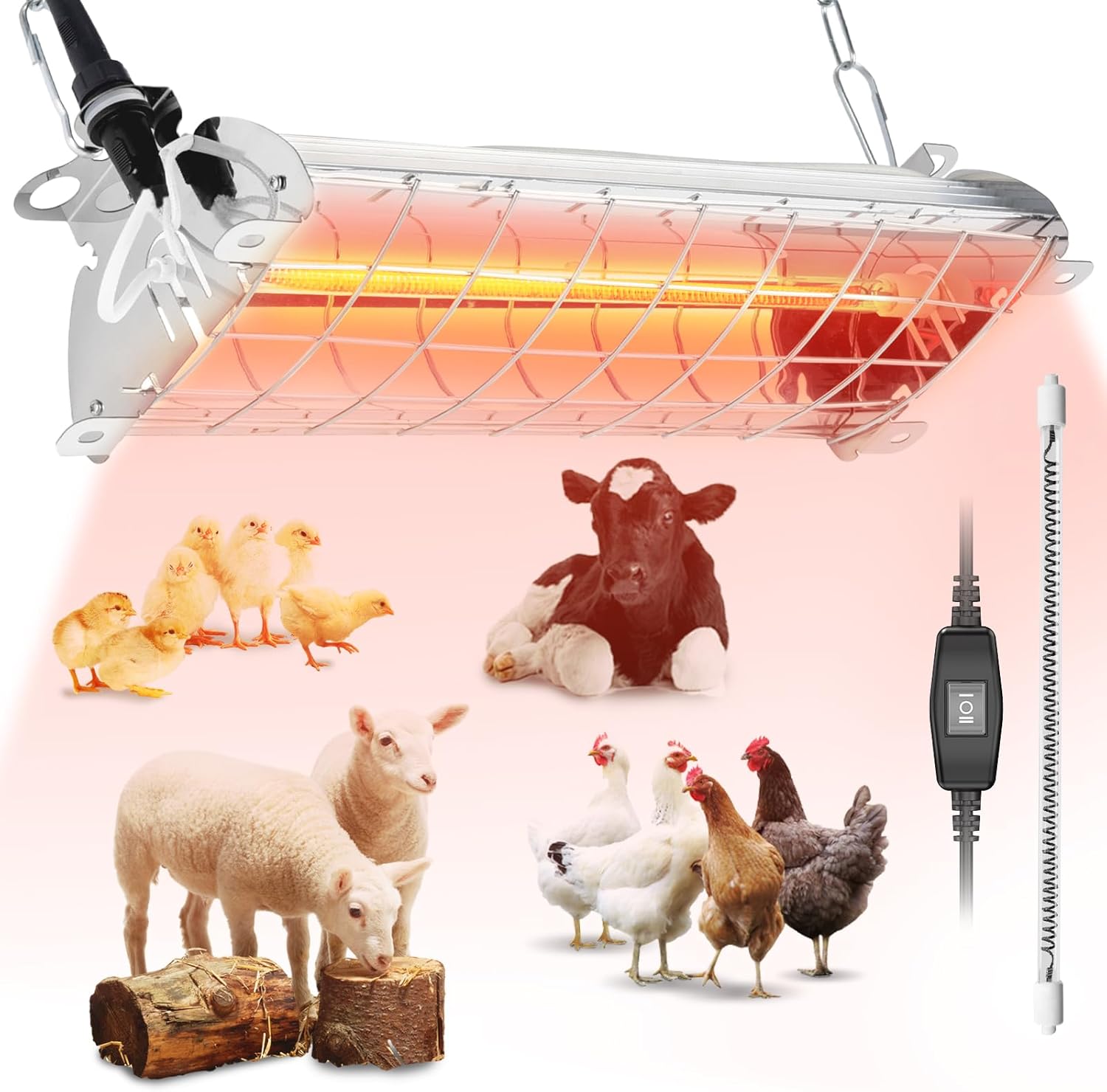
Stop Replacing Your Heat Lamps Every Few Months
Let’s be honest: most infrared lamps used in farming are a disappointment. They claim they’ll last, but then they dim out or just quit way before they’re supposed to. We’re aiming for a solid 5,000 hours. To actually hit that number, you have to stop the tungsten from evaporating too fast and keep the gas pressure inside the glass just right. It sounds like chemistry class, but it’s really just about making sure your heat stays consistent.
Why lamps “fade” (and how we fix it)
You know that cloudy look some bulbs get? That’s light decay. The filament thins out, the glass gets murky, and suddenly your animals aren’t getting the warmth they need. We use a high-purity halogen cycle. Think of it as a recycling system that pushes evaporated tungsten back onto the filament. It keeps the wire thick and the heat steady. Plus, we use a better grade of quartz than what you’ll find in those cheap imports. The result? You get the same level of heat on day one as you do at hour 4,999.
The build quality
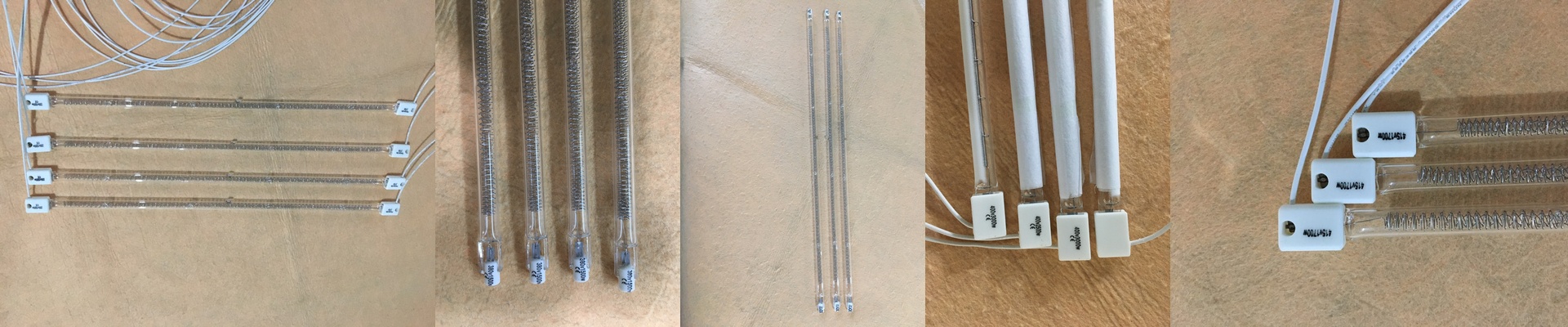
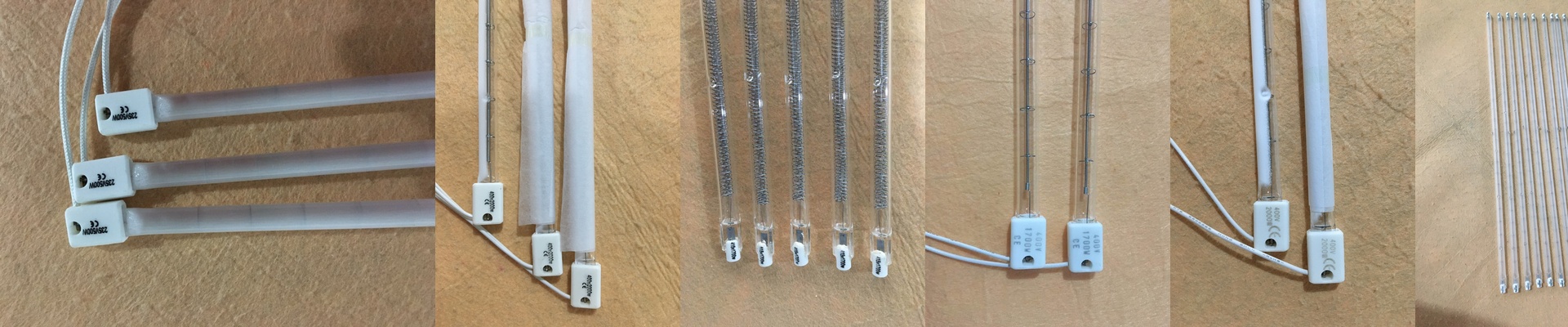
These are simple, direct-to-socket lamps. No fuss. We use industrial connectors because a loose fit is a disaster waiting to happen—it causes arcing at the terminals, which is a safety nightmare. We also obsess over the centering. If a filament sags even a little, it creates a “hot spot” on the glass. That’s usually where the tube cracks or fails. We put rigid supports inside to keep everything exactly where it belongs.
Using them in the barn
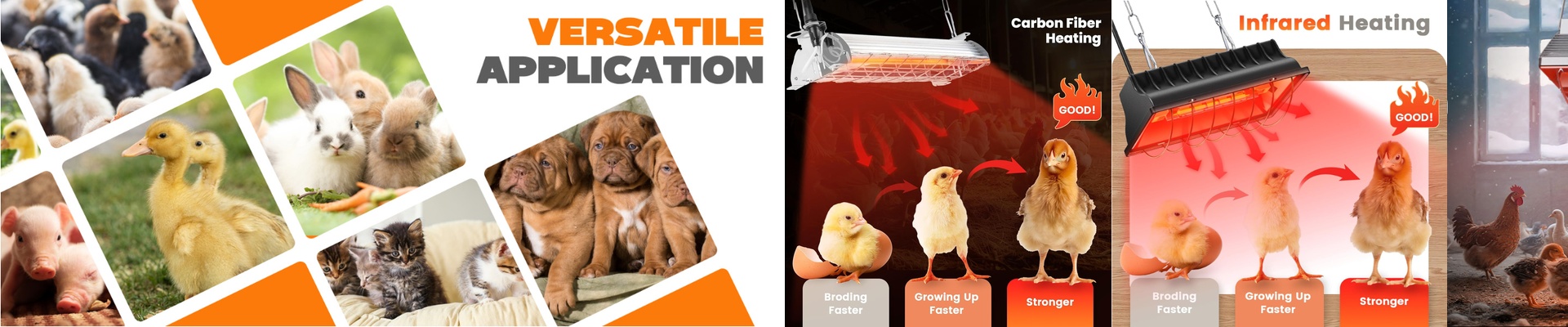
The beauty of these is that they heat the animals, not the entire building. You can just swap them into your current setup. But a quick heads-up: these things put out a lot of energy.**Check your wiring.**Make sure your insulation and brackets can handle constant, heavy heat. And please, make sure your housing has some airflow. If the heat just sits there and bakes the socket, it doesn’t matter how good the lamp is—the socket will fry. Give it some room to breathe, and these lamps will do the heavy lifting for you.