
How to actually get that mirror-finish on your flooring
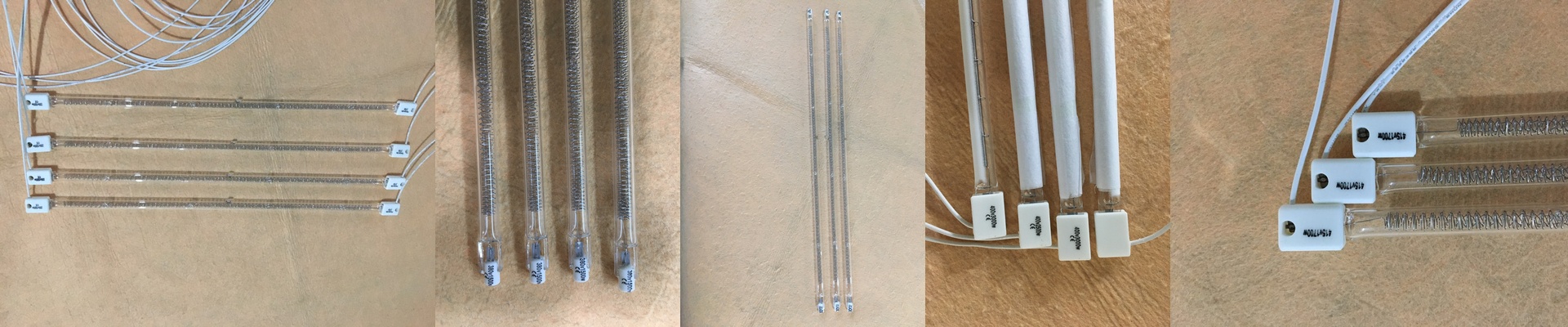
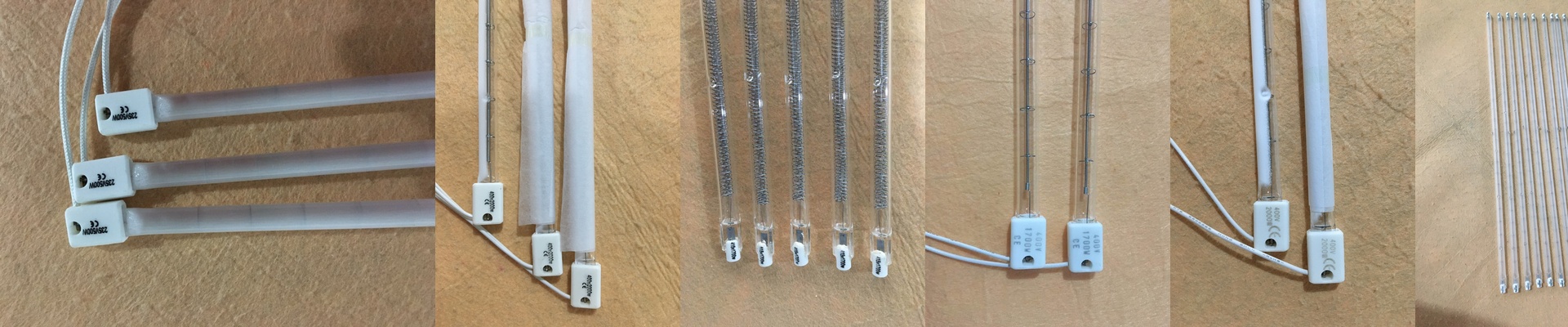
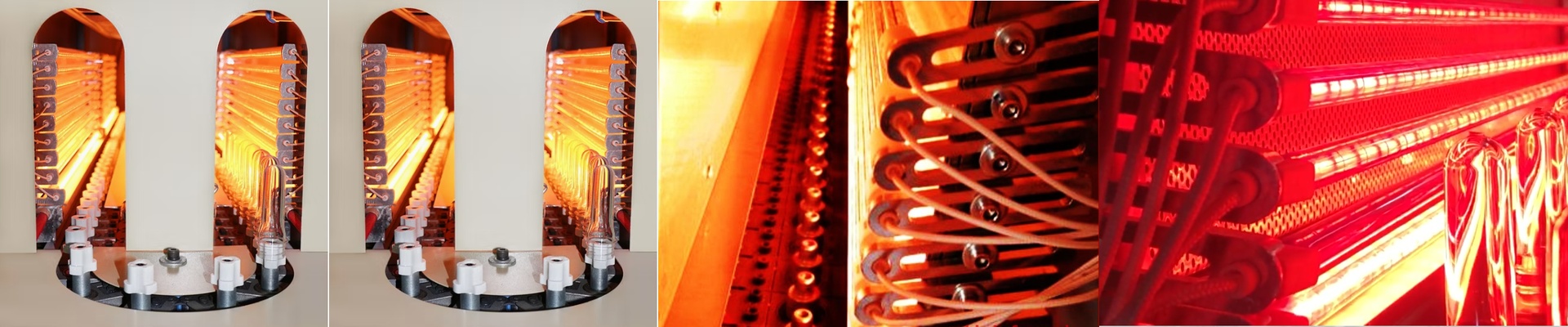
If you’ve ever pulled a board off the line and seen “orange peel” or weird dull spots, you know how frustrating it is. Usually, it comes down to one thing: the heat isn’t hitting the coating just right. If the ramp-up is too slow or the temperature jumps around, the finish just won’t set. That’s why we build our heating elements the way we do. We want you to get that high-end, glass-like gloss without the headache. The battle against cold spots Here is the thing about heat density. To get that professional look, you need the same amount of power hitting the board from start to finish. No gaps. No dips. We use high-purity quartz and a very specific way of winding the filaments to make sure there are no “cold spots.” When you plug these into your machine, the heat spreads evenly. You won’t have to worry about the edges of your boards over-curing while the center is still tacky to the touch. Built for the grit of a factory We’ve added specialized coatings to our elements to change how the heat travels. It lets the heat soak into the coating layer without scorching the wood underneath. And look, we know factory floors are dusty and brutal. These aren’t delicate pieces of lab equipment. We’ve built them to take a beating. The filaments are calibrated to handle rapid on-and-off cycling, so they don’t just burn out after a few months of hard work. They’re easy drop-in replacements for those overpriced imports, but they’re built for the real world. A quick heads-up on the setup Now, a word of caution. These elements put out a lot of power. You can’t just toss them into a 20-year-old rig and call it a day. You’ve got to make sure your ventilation and cooling can keep up with the extra heat around the lamp housings. If your airflow is sluggish, you might warp your machine frame or keep tripping your thermal sensors. It’s a powerful upgrade, so give your cooling system some love first. At the end of the day, it’s all about the physics. We match the wavelength of the heat to the chemistry of your coating. You get the same surface quality as the most expensive brands on the market, but it costs you less per unit. It’s a simple hardware swap that just works.