Getting the Heat Right in Automated Brooding
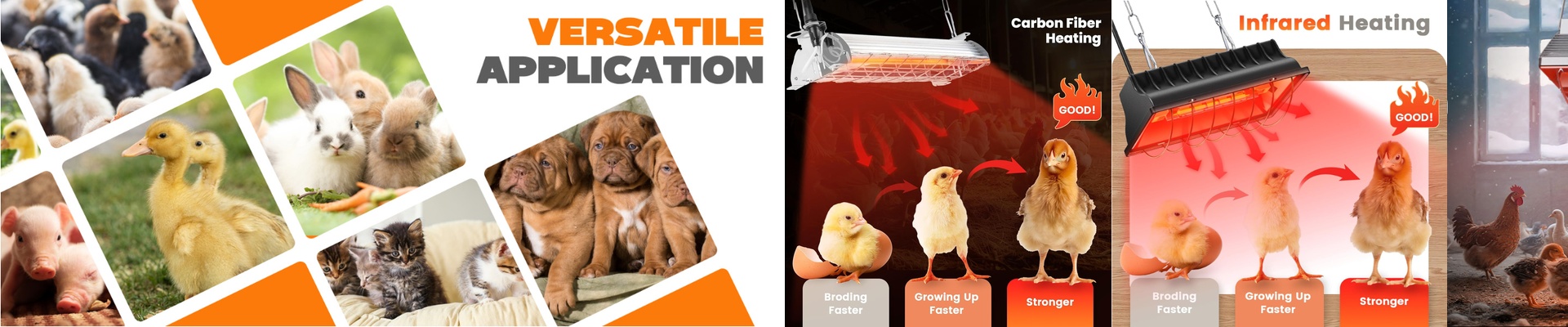
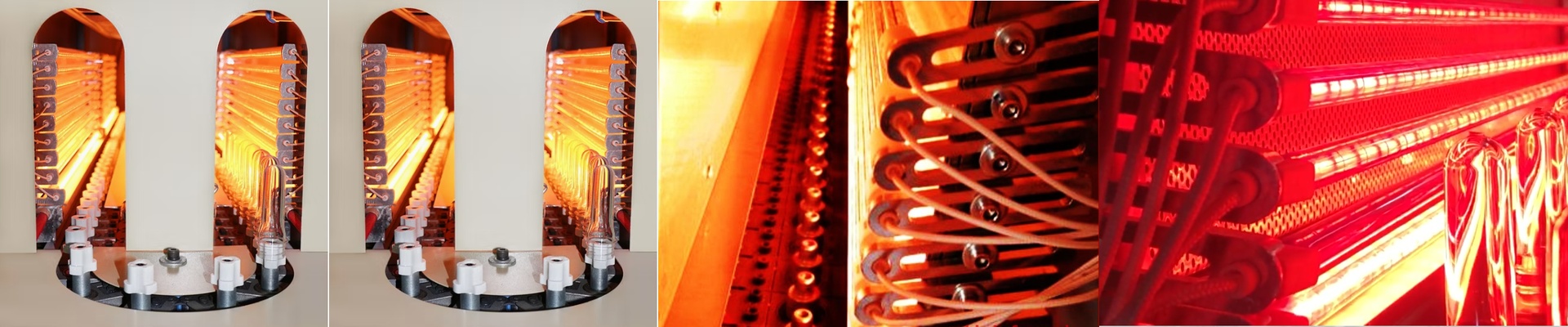
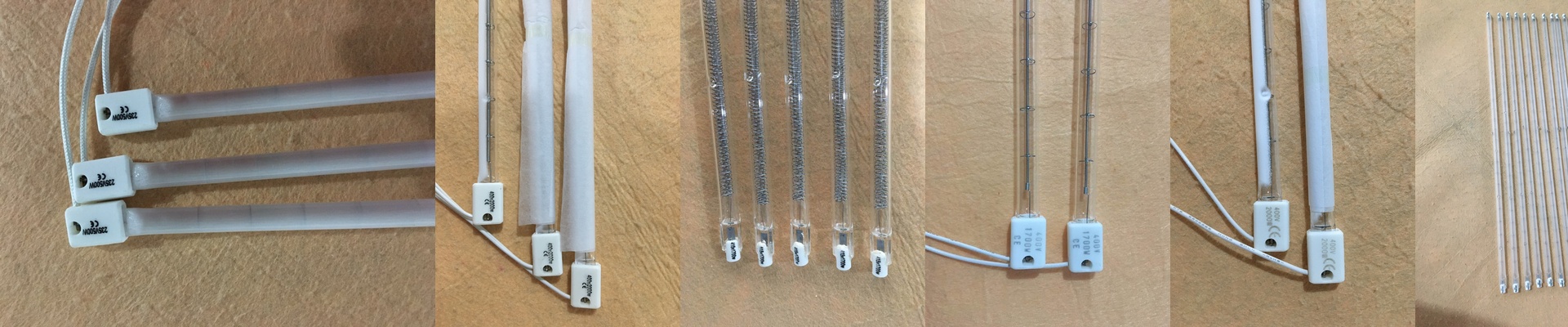
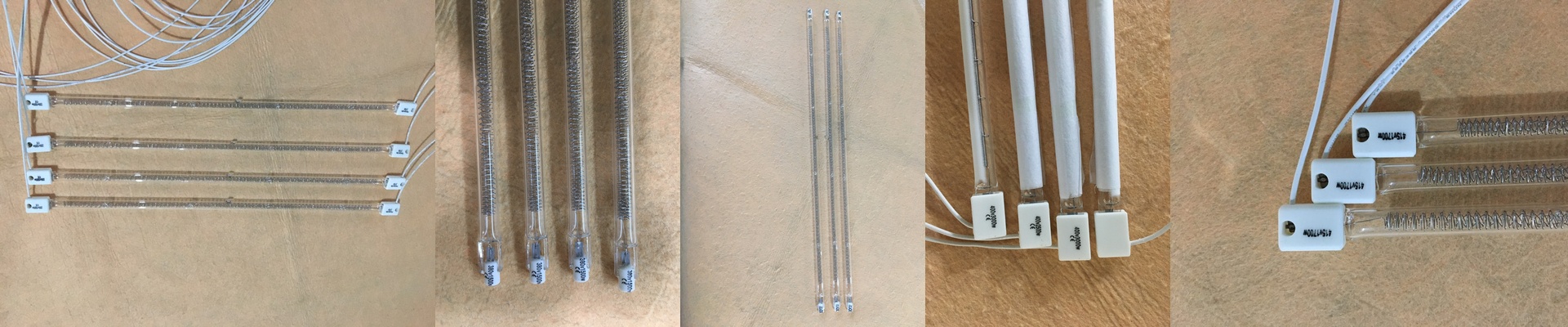
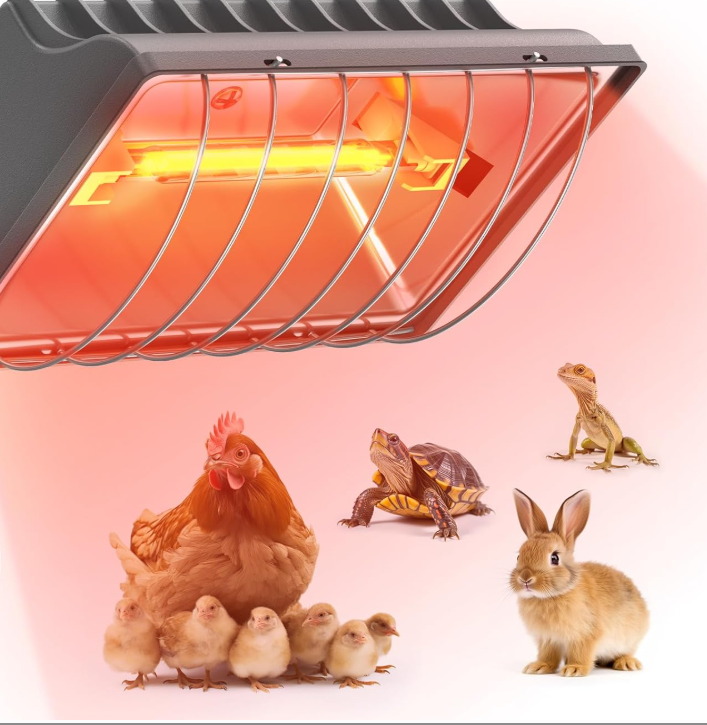
When you’re running an automated brooding system, the last thing you want is a “cold spot” where chicks huddle together because the air just isn’t hitting them. We’ve seen it happen too often with those old-school forced-air systems—they’re drafty and unpredictable. That’s why we focused everything on our infrared lamps. Heat that actually hits the target Here’s the thing about our lamps: they use short-wave infrared. Instead of wasting energy trying to heat up every cubic inch of air in the barn, the heat goes straight to the birds. We use high-purity quartz for the envelopes so the heat actually gets out. And because we’re picky about the filament, these things don’t just burn out the moment you push them to max wattage for a long stretch. They just keep working. Built for the real world (and your controllers) If you’re using industrial PLC controllers, you know they can be moody with voltage spikes. We built these lamps to take that hit without flinching. Plus, we made sure the connectors fit tight. In a dusty barn, a loose connection is just asking for an arc. You can plug these right into your power rail. No annoying custom adapters, no fuss. The balancing act: Power vs. Position Now, a high-wattage lamp puts out a lot of heat. A lot. But that’s a bit of a double-edged sword. If you hang them too low, you’re going to scorch your brood. That’s why your height sensors and hoists need to be spot on. To make it easier, we give you the exact thermal footprint for every wattage. You’ll know exactly where to mount them so the heat is just right. Tough enough for the barn Let’s be honest: barns are brutal. The dust and ammonia eat through standard filaments for breakfast. We use a special sealing process to keep the internals protected. These lamps can take a beating and still put out consistent heat across the entire tube. When the heat is even, the chicks spread out. They don’t pile up. And in a big operation, that’s the difference between a healthy flock and a disaster.