Why Some IR Lamps Just Keep Burning Out (And How We Fixed It)
Ever notice how some agricultural heat lamps seem to pop the second you turn them on? It’s frustrating. You spend the time swapping them out, only to do it all again a few weeks later. Usually, it comes down to cheap materials. Most bulbs use low-grade quartz or filaments that aren’t wound quite right. We decided to stop cutting corners. We use high-purity synthetic quartz and the kind of tungsten you’d find in heavy-duty industrial heaters. It’s not just a sales pitch. It’s basic science.
The Secret is in the Coil
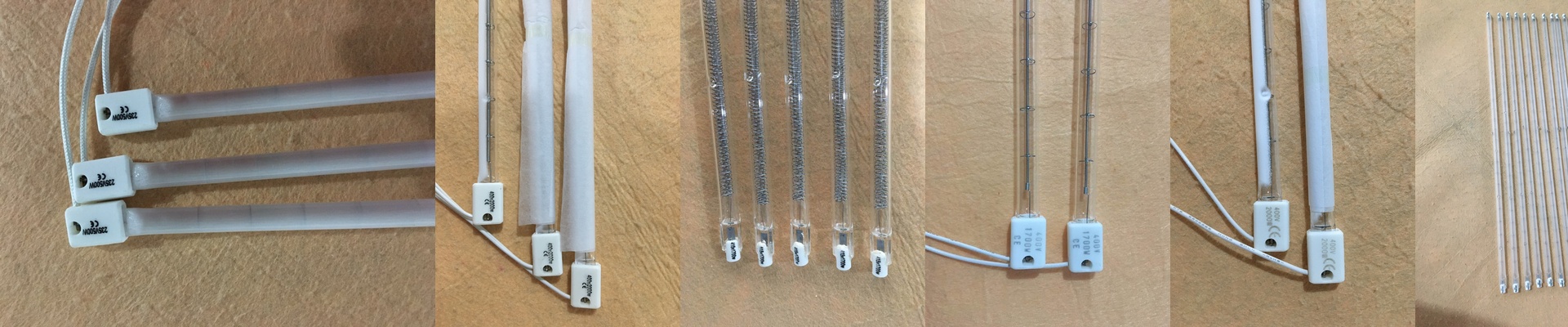
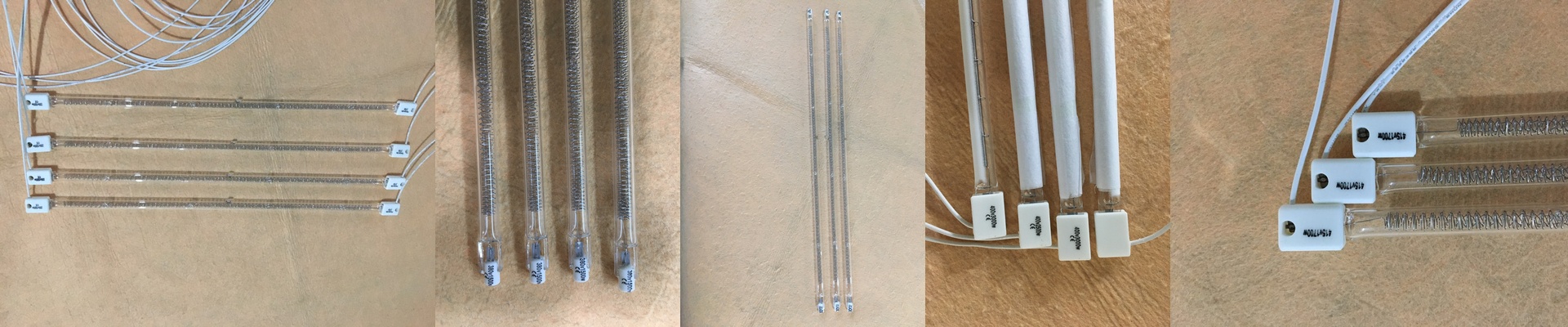
Think of the filament as the heart of the lamp. If it’s wound sloppily, you get “hot spots.” Those spots burn out way faster than the rest of the wire, thinning it out until—snap—you’re in the dark. We use high-density winding and a very specific gas fill to keep everything balanced. It means the heat spreads evenly, and the bulb stays stable for thousands of hours instead of failing prematurely.
Handling the Chill
Farm life is tough on gear. One minute the lamp is blazing hot, and the next, a cold draft hits it or the power cycles off. Cheap glass can’t handle that kind of shock; it just cracks. Our quartz is designed to take those rapid temperature swings without flinching. It stays strong, even when the internal heat spikes.
A Quick Word on Setup
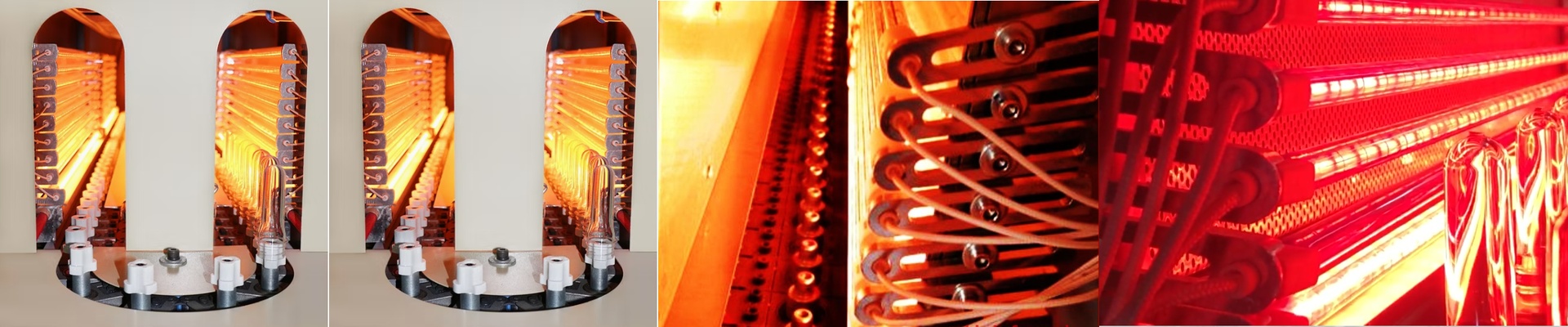
These are designed to be simple drop-in replacements. They fit your existing arrays and put out the same heat as the big-name brands, just without the “brand name” price tag. But here’s a heads-up: high-wattage bulbs pull a lot of power. Before you swap them in, take a second to check your circuit breakers and wire gauges. A bulb that can last 10,000 hours doesn’t do much good if your junction box is overheating. We’ve built the lamps to take a beating, but your wiring needs to be up to the task.