
Getting Your KHS Preform Heating Right
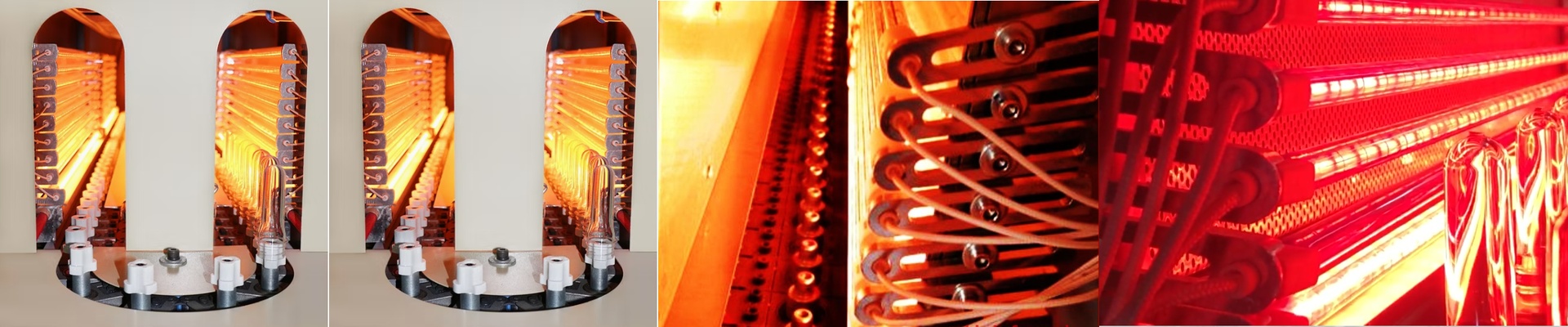
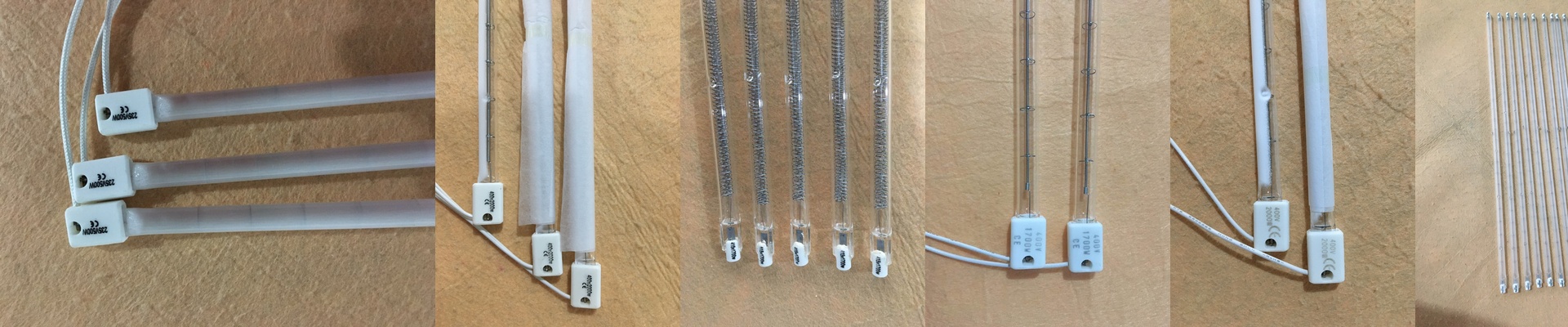
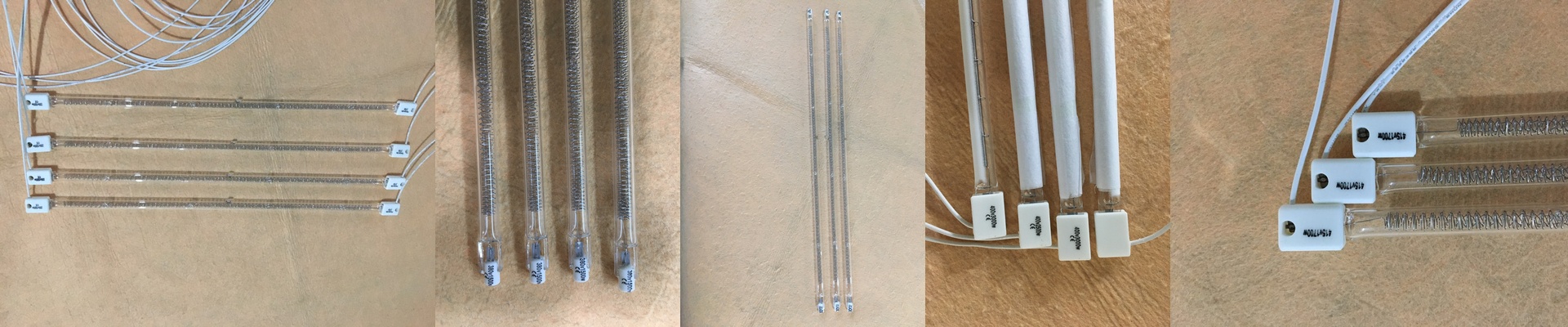
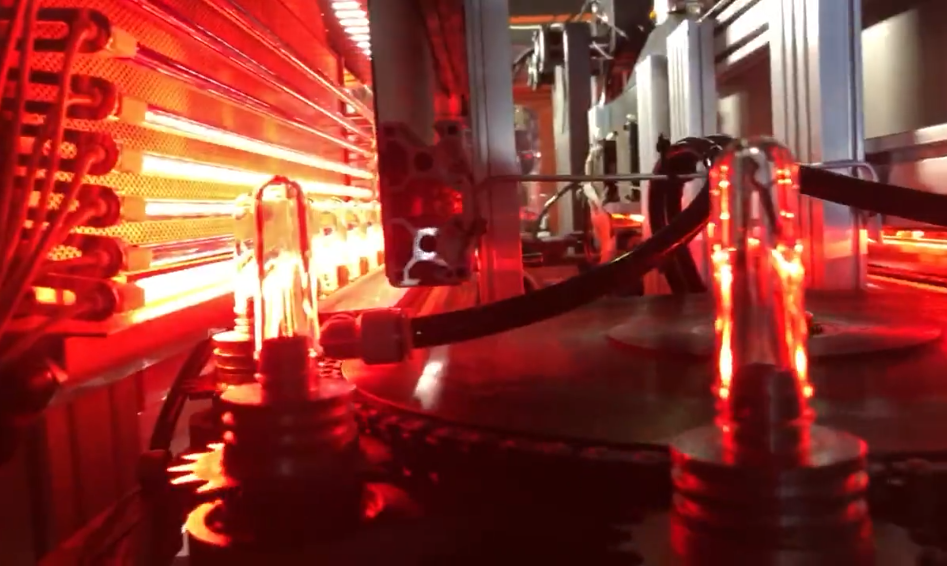
Ever pull a bottle off the line and see those annoying cloudy streaks or thin walls? It’s a headache. Usually, it comes down to your KHS blowing machine having “moods”—some spots are too hot, others are too cold. When that thermal field is off, your plastic either degrades or just refuses to stretch. We got tired of seeing that happen, so we rebuilt our quartz lamps to fix those gaps. It’s not just about raw power. A lot of people think more wattage equals better heat. It doesn’t. If the heat isn’t flat, you’re just fighting the machine. We spent a lot of time on the actual geometry of the filament and how the tungsten coil is wound. Why? Because generic tubes often have “cold ends.” By tightening those tolerances, we make sure the infrared energy hits the preform evenly from the neck all the way down to the base. No more guessing. The nitty-gritty stuff These are drop-in replacements. You don’t need to overthink the installation. We use high-purity quartz glass because these things go through a lot of thermal shock during rapid cycling, and they need to be tough enough to handle it. About the connectors—whether you’re using R7s or SK15—we’ve spec’d them to handle high current without pitting or oxidizing. Just a tip: if you’re running high-voltage, double-check that your wiring can handle the peak amperage. You don’t want a voltage drop messing up your heating zones. A few things to keep in mind Here is the trade-off: higher heat density lets you run faster cycles. But pushing more wattage through a shorter tube puts more stress on the glass. And please,keep your reflectors clean. If dust builds up on those mirrors, it kills the precision of the lamp. Your heaters will have to work twice as hard to compensate, and you’ll burn through your lamps way faster than you should. We built these to survive the grind of 24/7 production. Since they match the OEM footprint and electrical load exactly, you can finally get your preform temperatures stable without having to mess around with the PLC logic. Simple.