
Cut Out the Middleman on Your Infrared Heating
We make infrared heating lamps. Plain and simple. By shipping them straight from our factory floor to your facility, we skip the trading companies and their markups. It’s not about some fancy “discount” strategy. It’s just about making sure the price you pay actually reflects the cost of the quartz and tungsten that goes into the lamp.
Getting the Voltage Right
The physics here are pretty straightforward: voltage and wattage dictate how much heat you get. When you go for a high-wattage tube, you’re basically packing more heat into every millimeter. We build these to handle heavy industrial loads, but there’s a catch. If you’re pushing high voltage to get those rapid ramp-up times, your power supply needs to be rock solid. One bad voltage spike and you’ll fry the filament. It’s that simple.
The Gear: Quartz and Halogen
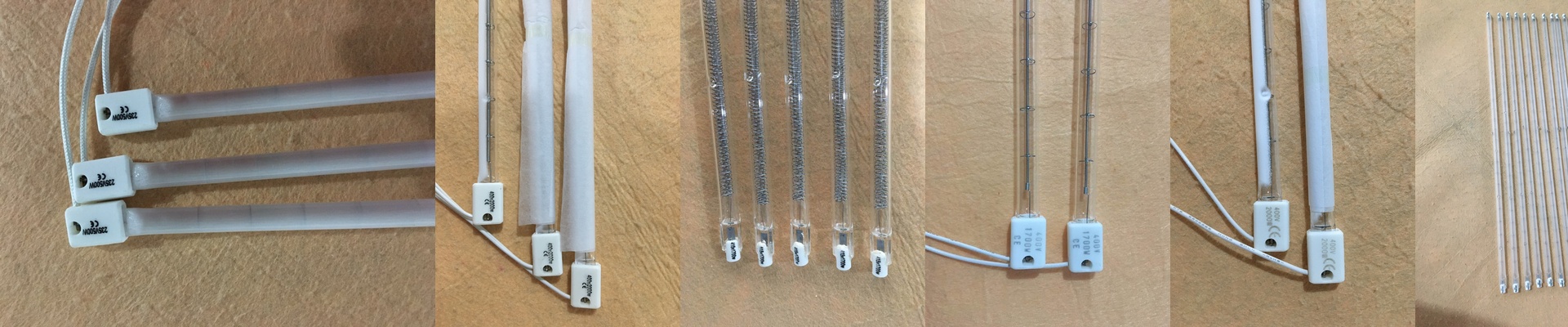
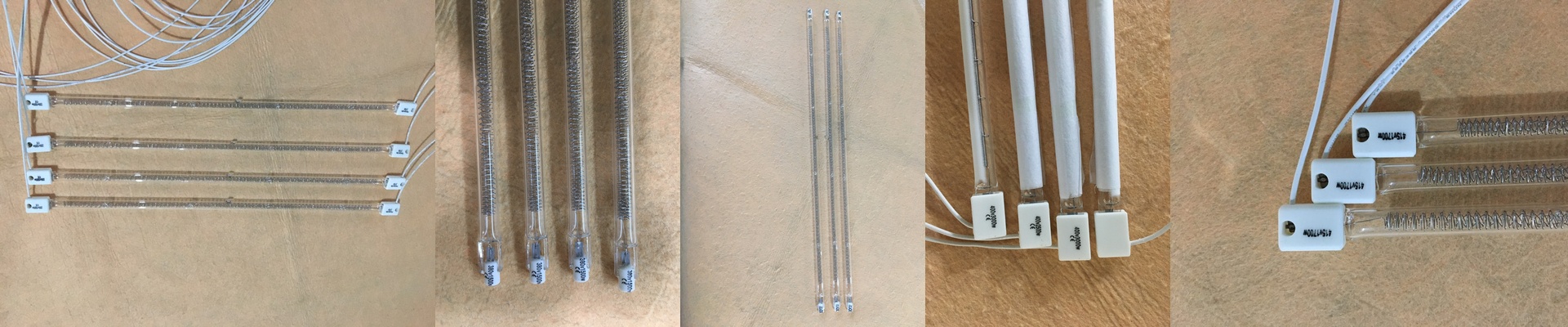
We use high-purity quartz glass because the last thing you want is a tube warping when things get hot. Depending on what you’re heating, we can add specialized coatings. These shift the IR emission so the heat actually sinks into your material rather than just bouncing off. As for the plugs, we stick with R7s and Sk15 connectors. They’re the industry standards for a reason—you can just pop them in without having to rewire your entire heating bank. We also use a halogen cycle. It basically keeps the tungsten moving back onto the filament, which helps the lamps last longer. Just keep an eye on the quartz for oxidation over time.
The Real-World Trade-offs
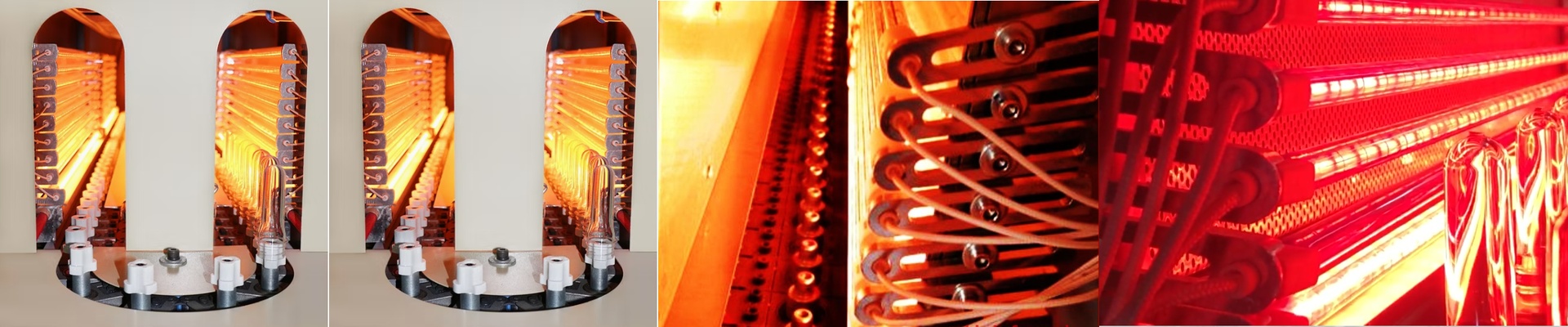
These lamps are beasts. They’re perfect for high-intensity jobs like PET blowing or curing because the heat is instant. But here is the thing: all that heat density means you have to think about your cooling. If you cram too many high-wattage tubes into a tight space without enough airflow, you’ll end up cooking your own reflectors. We provide the raw thermal power. The ambient temperature? That’s where you come in.