
Let’s Talk About Industrial Halogen IR Lamps
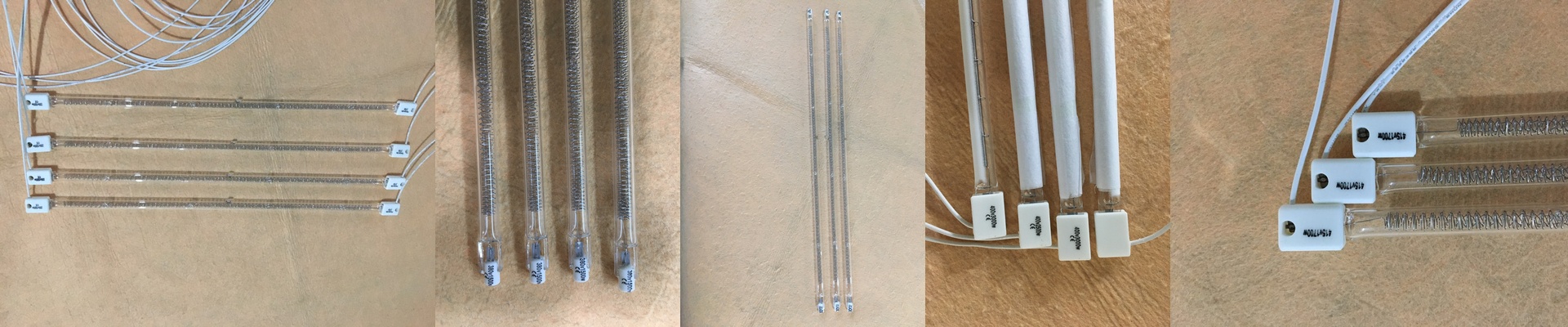
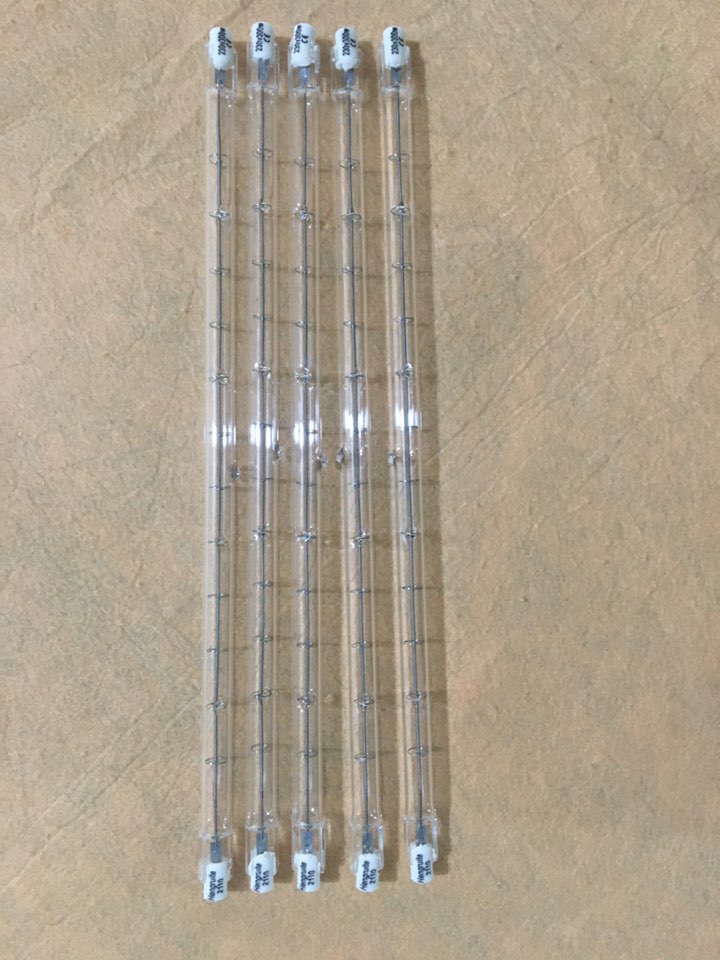
Ever wonder how to get a massive amount of heat exactly where you need it, and get it there now? That’s where our halogen infrared lamps come in. Basically, we’ve got a tungsten filament tucked inside a quartz tube. But the secret sauce is the halogen gas cycle. It stops the filament from wearing thin, which means your bulbs won’t just quit on you the moment you push them hard.
Getting the Power Right
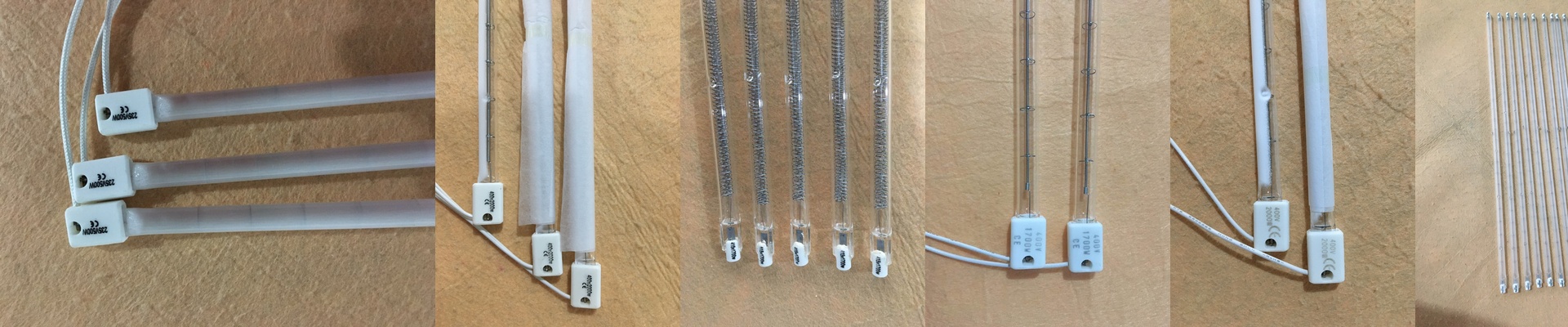
You’ll see these lamps in all sorts of voltages and wattages. It really just comes down to what your machine can handle. If you need to flash-heat a surface, go for the high-wattage tubes. They pack a punch. And if you run a high-voltage setup, you’ll pull less current—which is great because it keeps your wiring from getting dangerously hot. One heads-up, though. All that heat has to go somewhere. If your cooling fans or heat sinks aren’t up to the task, the housing will soak up that ambient heat and fry your bulb way sooner than it should. Keep it cool, and the lamp stays happy.
The Glass and the Plugs
We use quartz for a reason. It lets that shortwave IR pass right through without getting stuck in the glass, so the heat hits your target directly. As for the connectors, we stick to the basics like R7s or SK15. Why? Because we want these to be simple drop-in replacements. No fuss, no custom adapters, just plug and play. Some of our tubes come with a coating. This shifts how the heat behaves—some penetrate deeper, some stay on the surface. It’s a bit of a balancing act depending on how thick your parts are, but it’s worth tweaking to get it just right.
Putting Them to Work
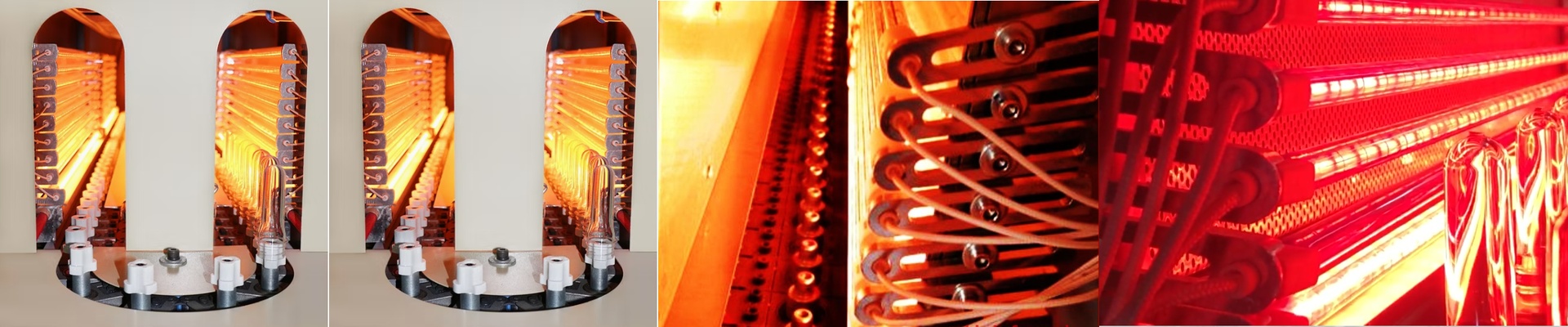
Whether you’re blowing PET bottles, curing paint, or welding plastic, these things are the gold standard. The best part? They hit operating temperature almost instantly. You aren’t standing around waiting for a heating element to “warm up” while your production line sits idle. If you pair them with a PID controller and a thermocouple, you get a really tight grip on the temperature. It’s the best way to keep your line moving fast without accidentally scorching your materials.