
Getting Your Nissei ASB 150DP Back Up and Running
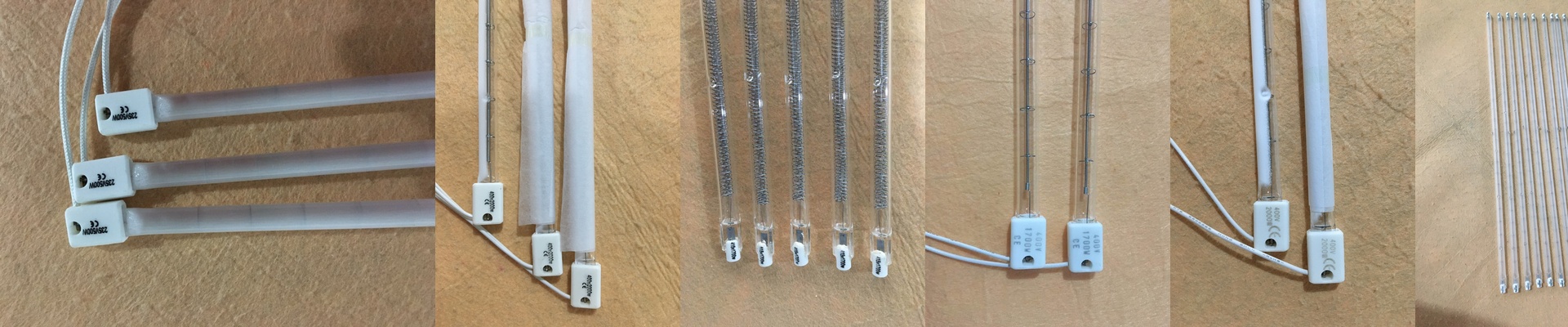
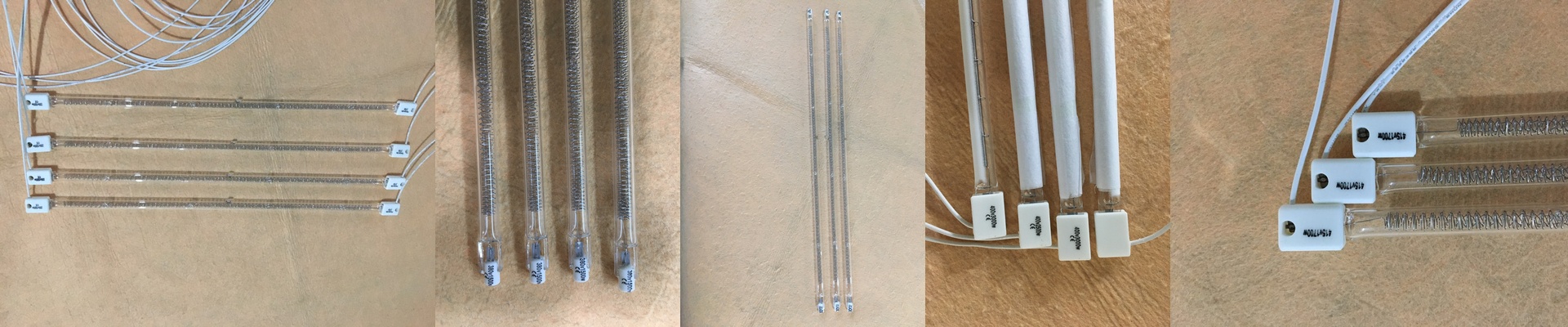
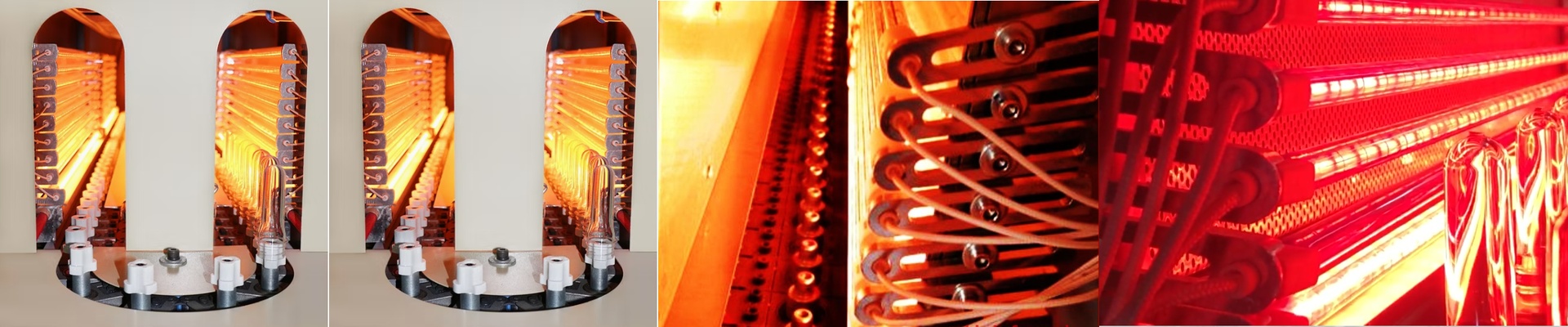
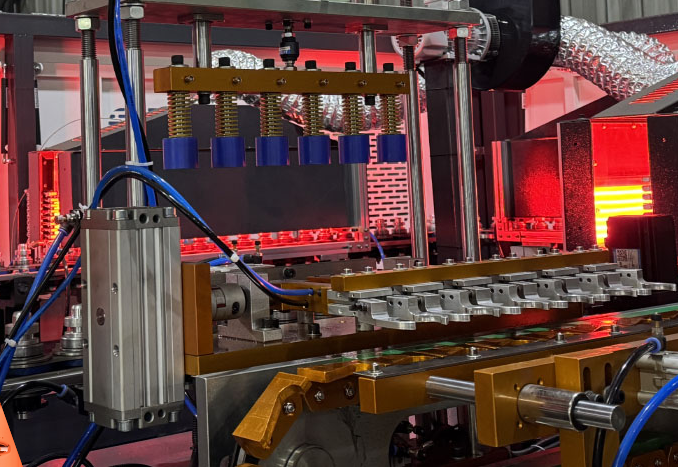
When you’re running a Nissei ASB 150DP, you know the struggle. You need just the right amount of heat to soften those PET preforms. Too little, and they won’t blow; too much, and you’re dealing with crystallization or, worse, burn-through. It’s a delicate balance. That’s why we built our replacement infrared lamps to be a mirror image of the original parts. No tweaking, no guessing. You just pop them in and get back to work. The Nitty-Gritty on Heat and Power To keep up with high-speed blowing, these lamps have to hit a very specific sweet spot of voltage and wattage. We use high-grade quartz glass because it can handle the “thermal shock”—that brutal jump from cold to scorching hot that happens every time the machine cycles. If you’re on a 400V system, we push the wattage per millimeter a bit higher. This ensures your preform hits that glass transition temperature in a heartbeat. But a word of advice: pushing max wattage puts a lot of stress on your power supplies.**Check your cooling fans.**If they’re clogged with dust, your lamp sockets could actually melt. It’s a simple fix that saves a huge headache. Why They Last Ever notice how some lamps get that cloudy, black film on the inside? That’s tungsten evaporating and sticking to the glass, which kills your heat output. We use halogen-filled quartz tubes to stop that from happening. The halogen cycle basically cleans the tube as it works, keeping the heat strong and the glass clear. Plus, we stick to standard connectors—usually R7s or SK15. They plug right into your existing wiring harness. You won’t have to spend your afternoon rewiring the oven. It’s Not Just for Nissei The physics of blowing PET is pretty much the same across the board. By focusing on the three things that actually matter—length, voltage, and the connector—we’ve made these lamps work for about 95% of the equipment out there. You get the same heat distribution as the expensive OEM parts, but without the agonizing wait for shipping. We keep these on the shelf so when a tube burns out, you can swap it in minutes and stop the bleeding on your production line.