
Why “Cheap” Lamps Cost You More in the Long Run
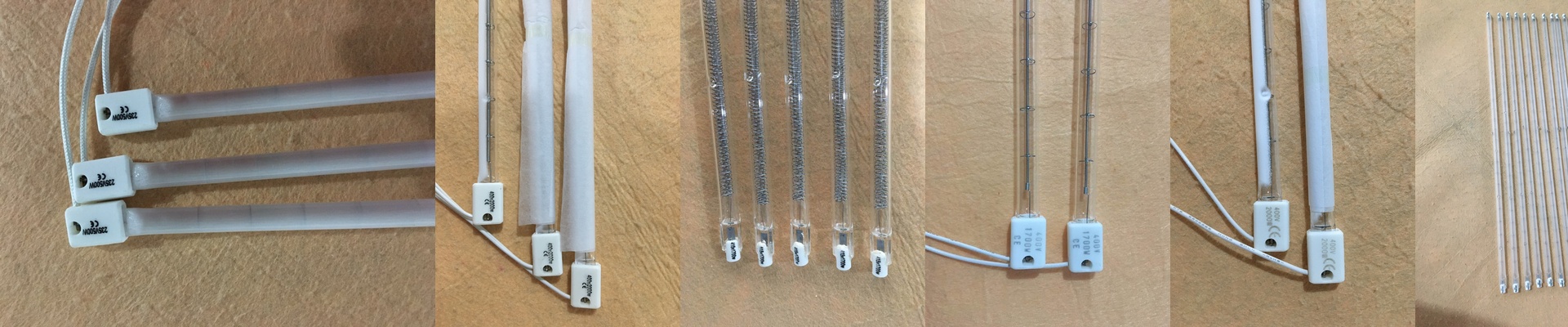
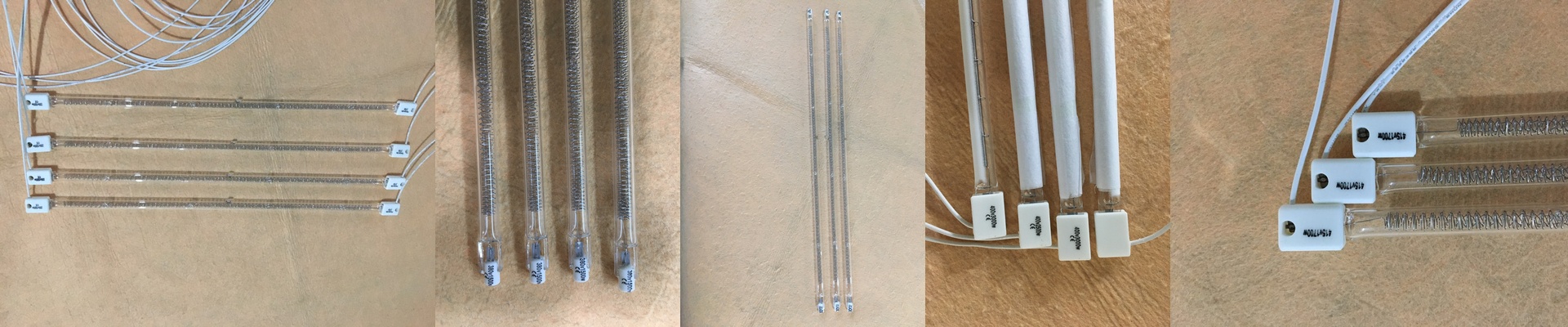
If you’re running Wood-Mizer machinery, you know that getting the temperature just right is everything. The shortwave infrared lamps are the heart of that process. Now, I get it. When it’s time to replace a lamp, it’s tempting to grab a generic one to save a few bucks upfront. But here’s the thing: that usually blows up in your face. We build our lamps to the exact same specs as the original equipment. We call it “OEM-grade,” but really, it just means we make sure the heat density is exactly what the machine was designed for.
It’s all about the heat
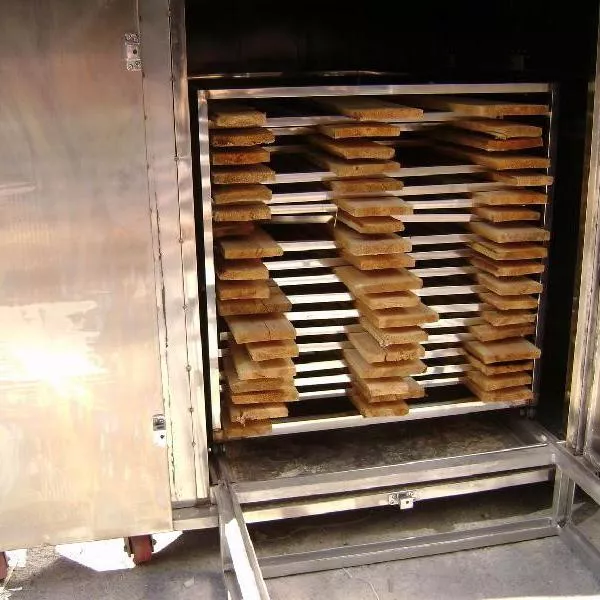
Physics is a stubborn thing. The relationship between voltage, wattage, and the length of that quartz tube has to be perfect. If you throw in a lamp with the wrong wattage or a filament that’s wound a bit differently, you shift the whole thermal profile. Suddenly, you’ve got “cold spots” in your timber or uneven drying. Not to mention, if the load isn’t balanced right, the lamp can burn out way too fast because of voltage spikes. It’s a headache you just don’t need.
The little things that break
Then there’s the glass and the plugs. We use heavy-wall quartz because these things go through extreme heat cycles. Cheap glass warps. Our stuff doesn’t. And the connectors? Those are where most people get burned—literally. A loose fit at the terminal causes arcing, which ends up frying your socket. We make sure our connectors lock in tight. It means you spend your time working your wood, not replacing melted housings.
A quick heads-up on airflow
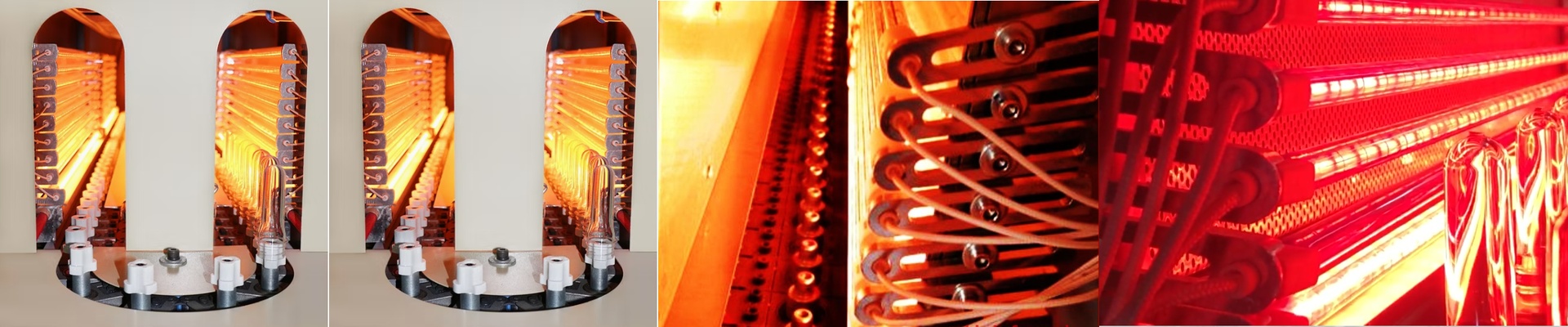
Getting more heat density means you can push more timber through the shop. It’s great for business. But there’s a catch. When these lamps are cranking at peak output, the area around the housing gets incredibly hot. You’ve got to keep your ventilation clear. If the airflow is blocked, the lamp will overheat and die, no matter how well it was built. At the end of the day, using these lamps isn’t about being a brand loyalist. It’s about the cost per hour. You want a part you can just drop in that hits the right temperature without stressing your electrical system. Simple as that.