
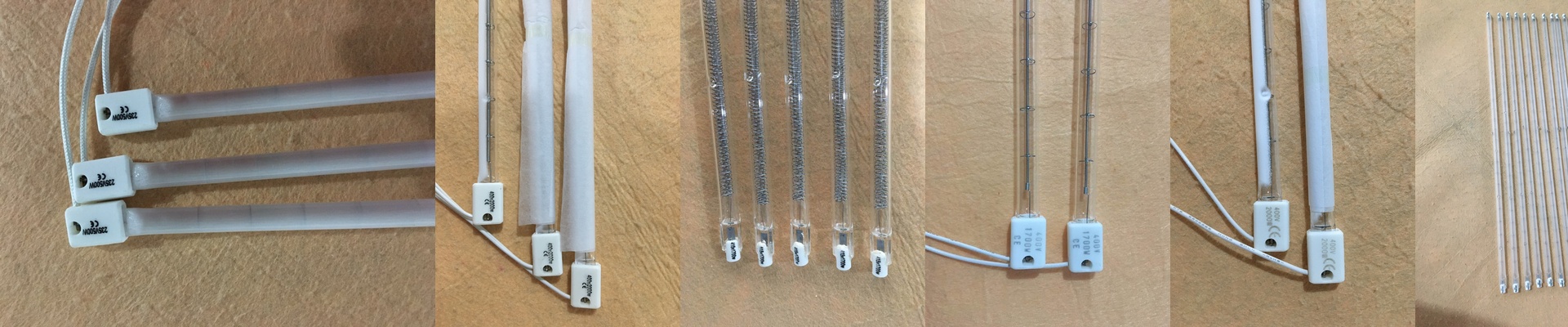
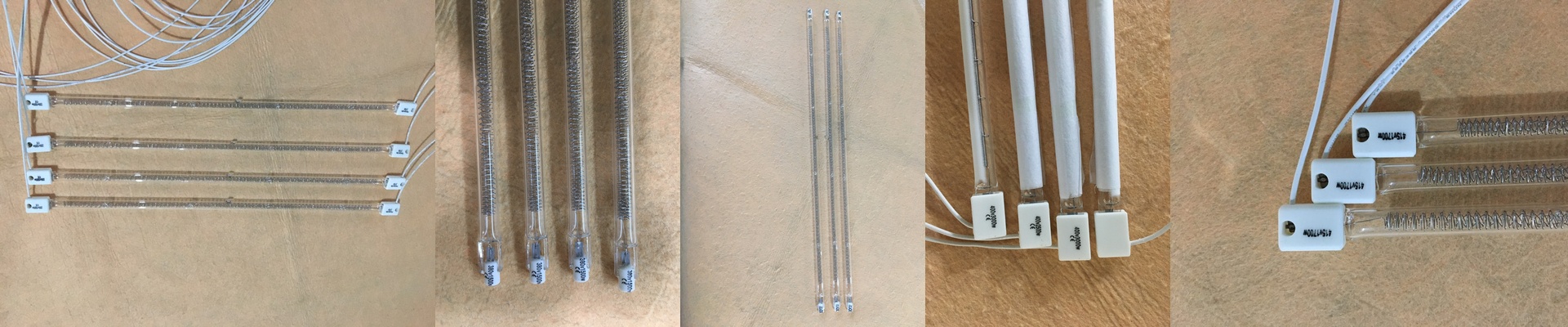
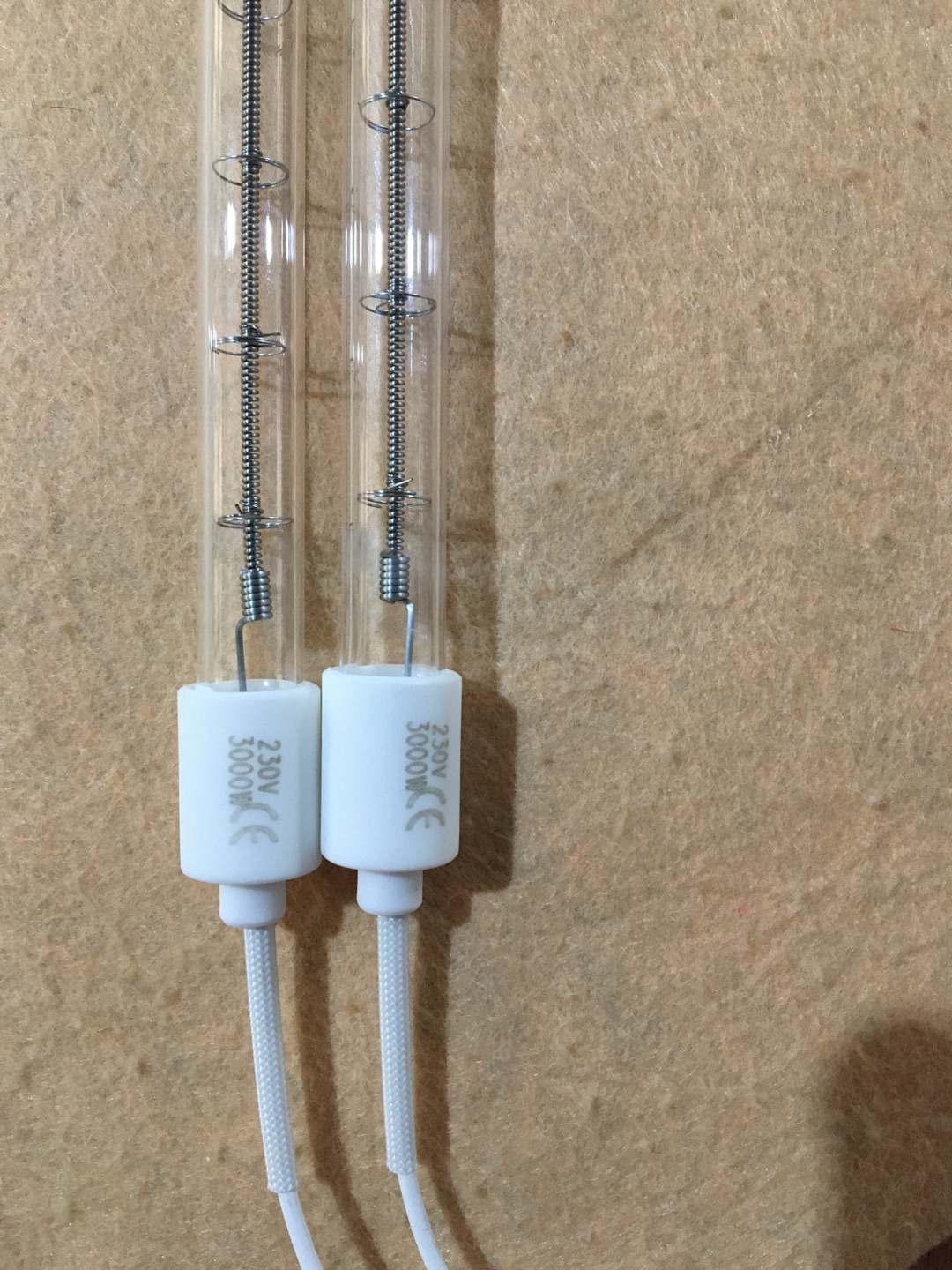
Let’s talk about the 1500W 220V Halogen Heating Element
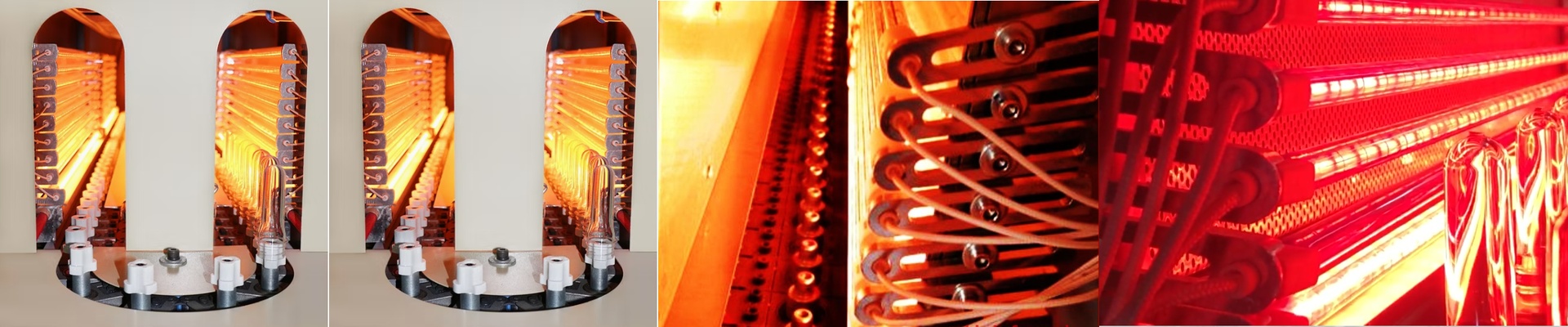
When we built these lamps, we weren’t looking for a soft glow. We wanted raw, high-intensity infrared heat. Most people think of lightbulbs, but these are different. We use a tungsten filament tucked inside a quartz envelope and fill it with halogen gas. Here is the secret: that gas actually pushes tungsten deposits back onto the wire. It keeps the filament healthy, which means we can crank the heat way up without the whole thing just snapping. Power and Speed We went with 1500W at 220V for one reason: speed. You don’t want to sit around waiting for a machine to warm up. These hit their target temperature in seconds. It’s a concentrated, shortwave IR blast that sinks deep into your materials. Plus, since they run on 220V, they plug right into most industrial grids. No messy transformers or extra gear taking up space in your shop. The Quartz Factor The glass isn’t just glass—it’s high-purity quartz. We chose it because it doesn’t freak out when things get hot. It won’t crack or warp under pressure, and it lets the heat pass through without blocking it. And for those of you running high-cycle machines? We used R7s (or similar) snap-in connectors. When a lamp finally gives out, you just pop it out and drop a new one in. No fuss. Using Them in the Real World You’ll usually see these doing the heavy lifting in PET bottle blowing, plastic welding, or drying tunnels. The goal is simple: get it hot fast, then cool it down just as quickly. But a quick heads-up. Putting 1500W into such a small space creates some serious localized heat. You’ve got to get your reflectors and cooling fans right. If the housing traps too much heat, you’ll fry the quartz seal and kill the lamp early. One more thing:**keep the glass clean.**Seriously. A single fingerprint or a smudge of oil creates a “hot spot” that can shatter the envelope. Keep it spotless, and these things will last.