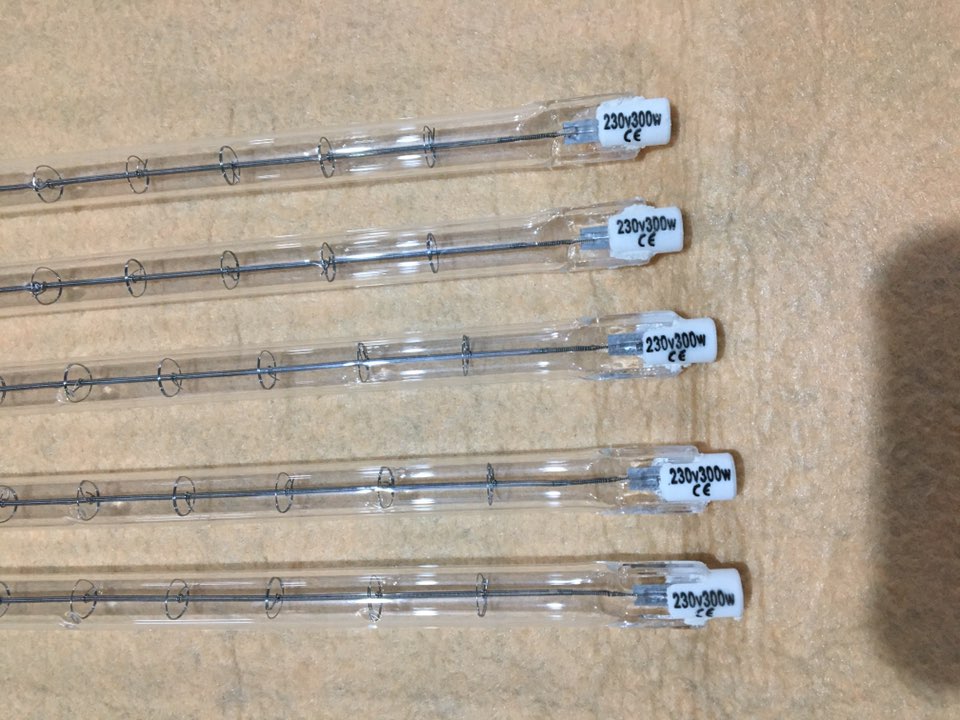
Let’s Talk Tungsten Halogen Tubes
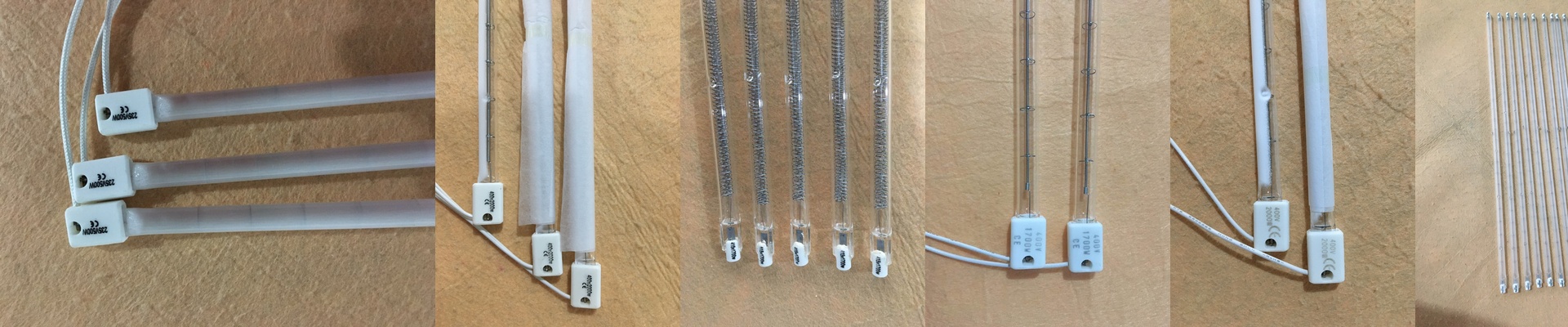
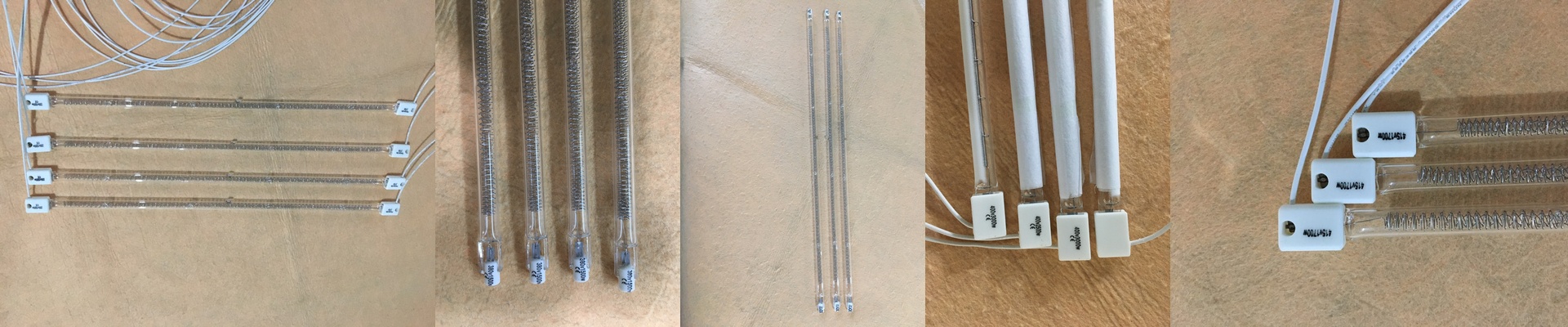
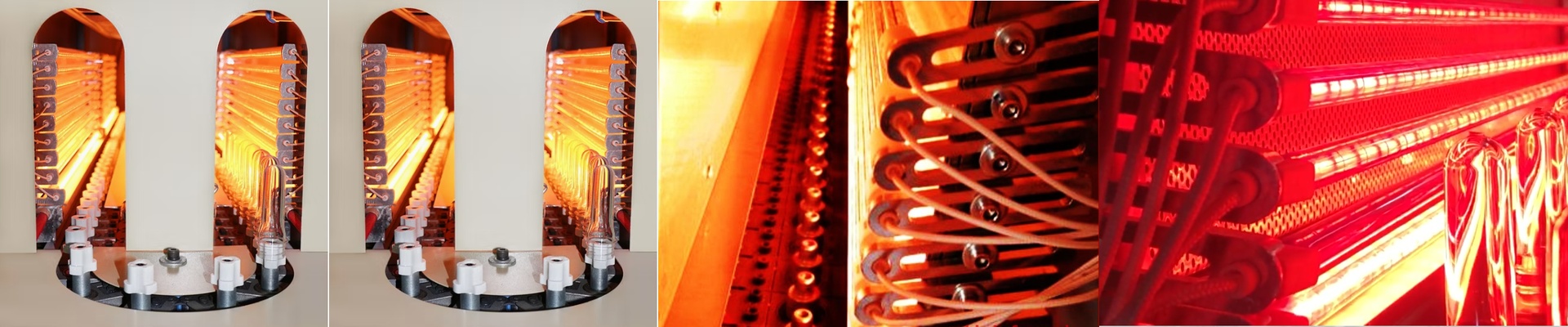
Ever wonder why some heaters just hit different? It all comes down to the halogen cycle. We take a tungsten coil, tuck it inside a quartz envelope, and fill the whole thing with halogen gas. Here’s the clever part: that gas stops tungsten atoms from sticking to the glass. No cloudy buildup, no dimmed light. Just a clear tube that can push temperatures way higher than your average light bulb. Getting the power right When you’re picking out a tube, voltage and wattage are your main levers for heat. If you’re working with a longer tube—say 300mm or 500mm—you’ll want a high-voltage setup. It keeps the heat consistent so you don’t get cold spots at the ends. High wattage is where the magic happens. It’s fast. Really fast. You get that heat exactly where you need it the second you flip the switch. But a heads-up: all that intensity puts a lot of stress on your housing. Make sure your cooling system can actually handle the heat building up around the sockets, or you’re asking for trouble. The build and the bits We stick with quartz glass because it doesn’t freak out when the temperature swings. Borosilicate just can’t keep up with that kind of thermal shock. For the plugs, we usually go with R7s or Sk15 connectors. They’re pretty standard, so they should slide right into most industrial ovens without a fight. Some of our tubes have a special coating to shift the heat into shortwave IR. It makes the heat punch through to the target faster. Just make sure you’ve got a reflective backing behind it, otherwise, you’re just throwing energy away. Real-world use You’ll mostly see these in PET blowing machines or curing lines where you need concentrated heat now. One tip: these lamps are sensitive. A sudden voltage spike can fry them. Stick with a stabilized power source and use high-temp lead wires. Trust me, you don’t want to find out the hard way that your insulation has melted. Sure, they won’t last as long as a chunky ceramic heater. But the response time? Nothing else even comes close.